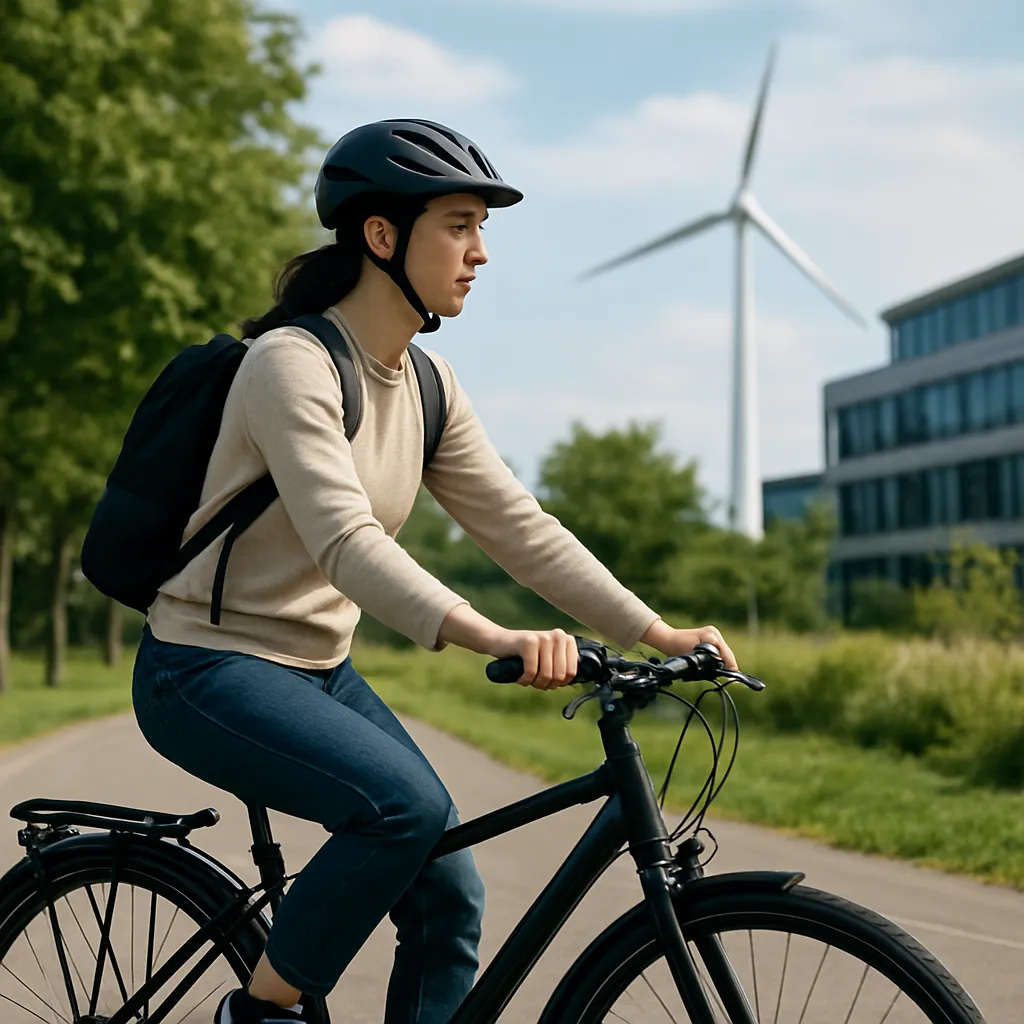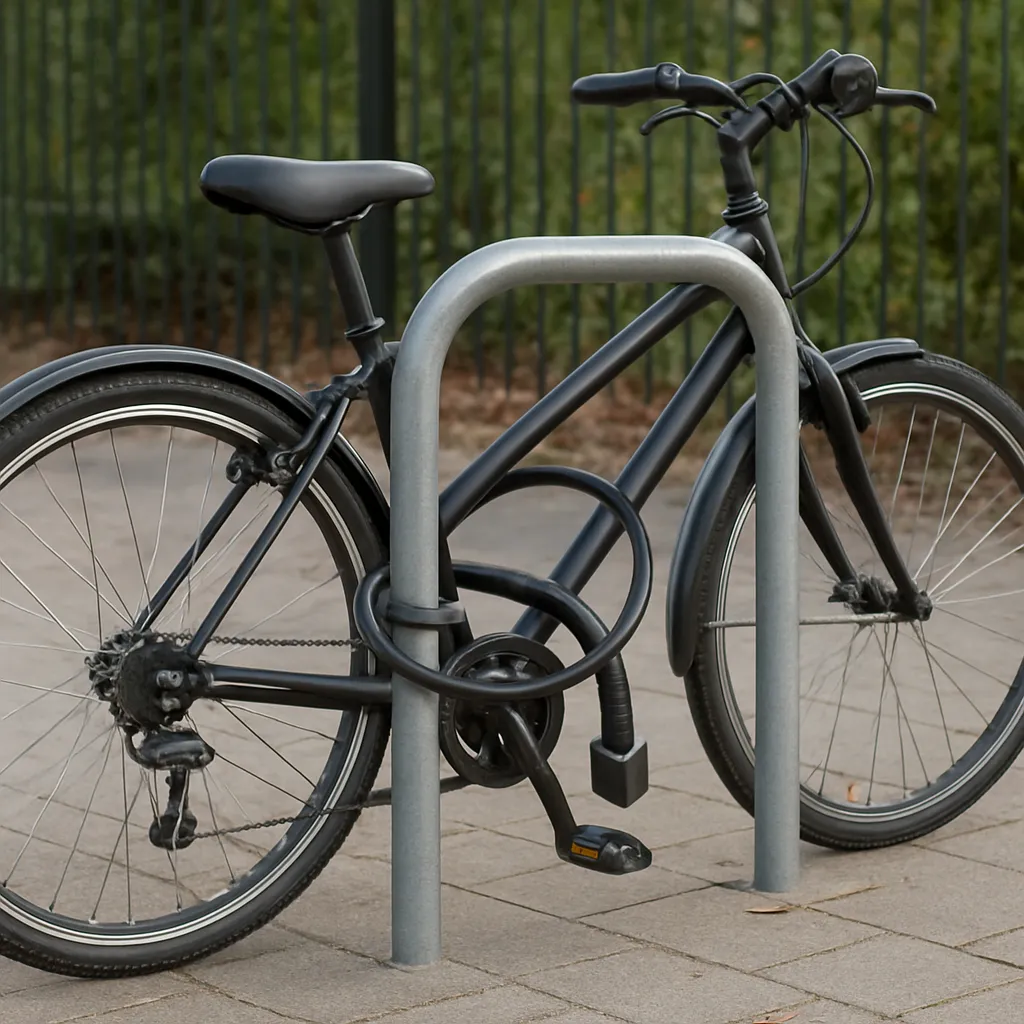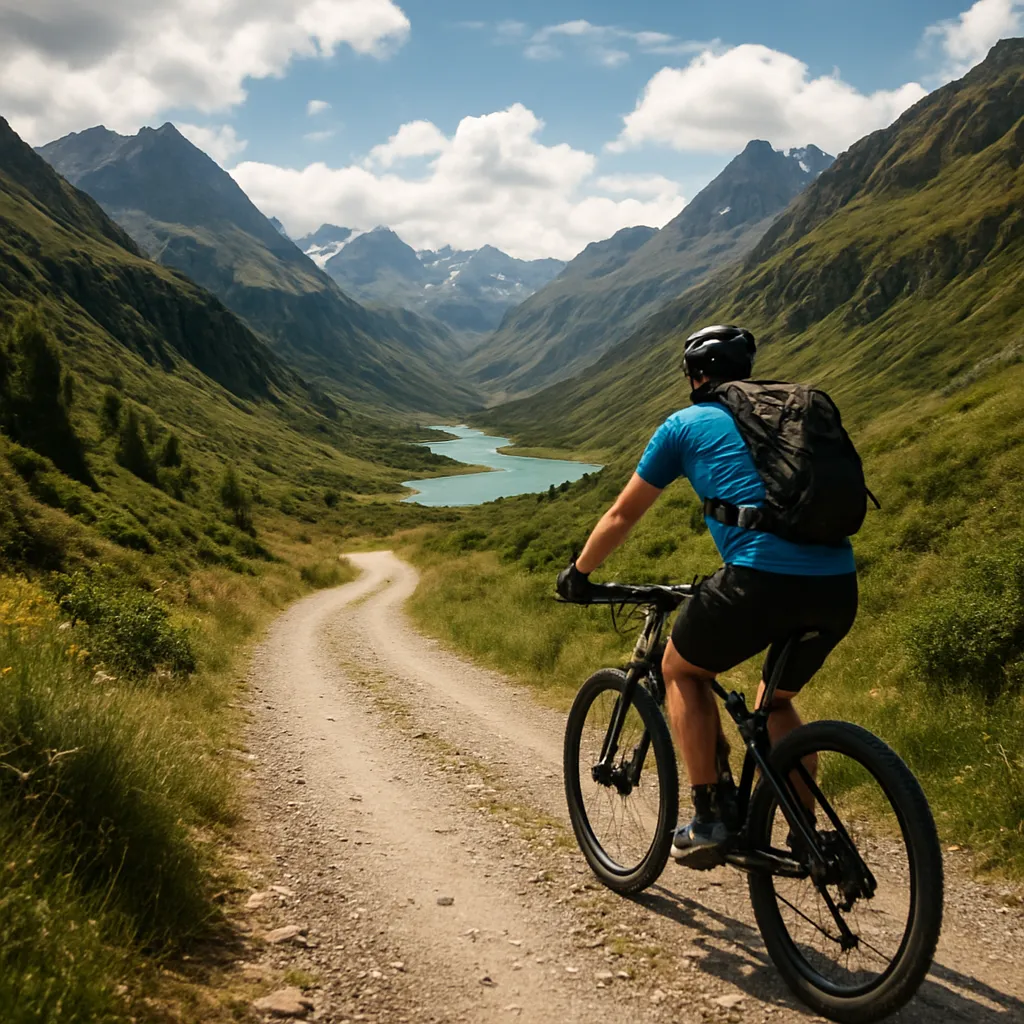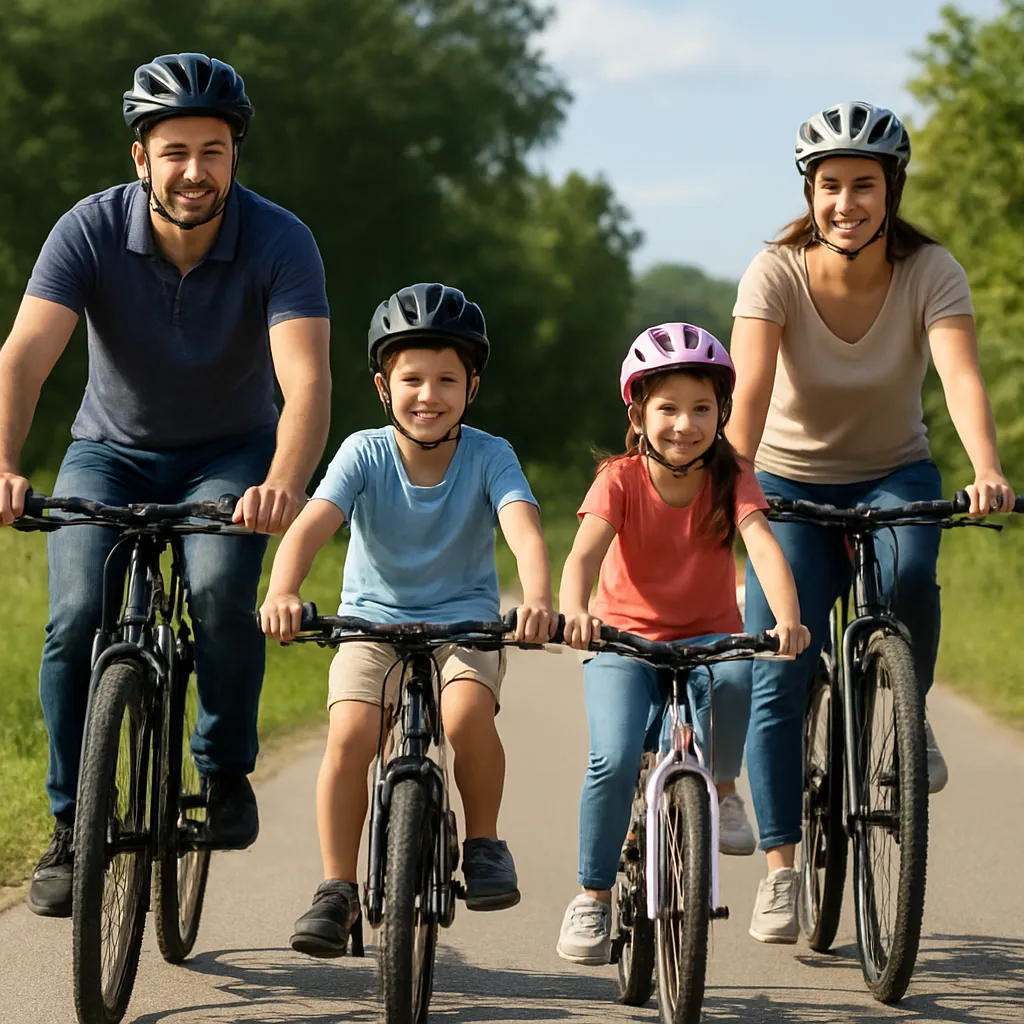
Embarking on a family cycling journey can be an exciting way to bond, explore new places, and promote a **healthy** lifestyle. By paying attention to proper preparation, clear communication, and a spirit of **adventure**, families can create lasting memories while staying safe on two wheels.
Safety Preparation Before the Ride
Before setting off, it’s crucial to ensure that every family member is geared up and ready. Preparing ahead of time builds **confidence** in young riders and keeps everyone protected.
1. Inspecting and Adjusting Equipment
- Check tire pressure and tread condition. Properly inflated tires improve stability and reduce the risk of flats.
- Test brakes for responsiveness and alignment. Worn pads should be replaced to ensure effective stopping power.
- Adjust seat height so riders can touch the ground with their toes. This promotes better balance and comfort.
- Verify that chains are lubricated and free of rust. Smooth chain movement prevents jerky pedaling and mechanical failures.
2. Choosing the Right Protective Gear
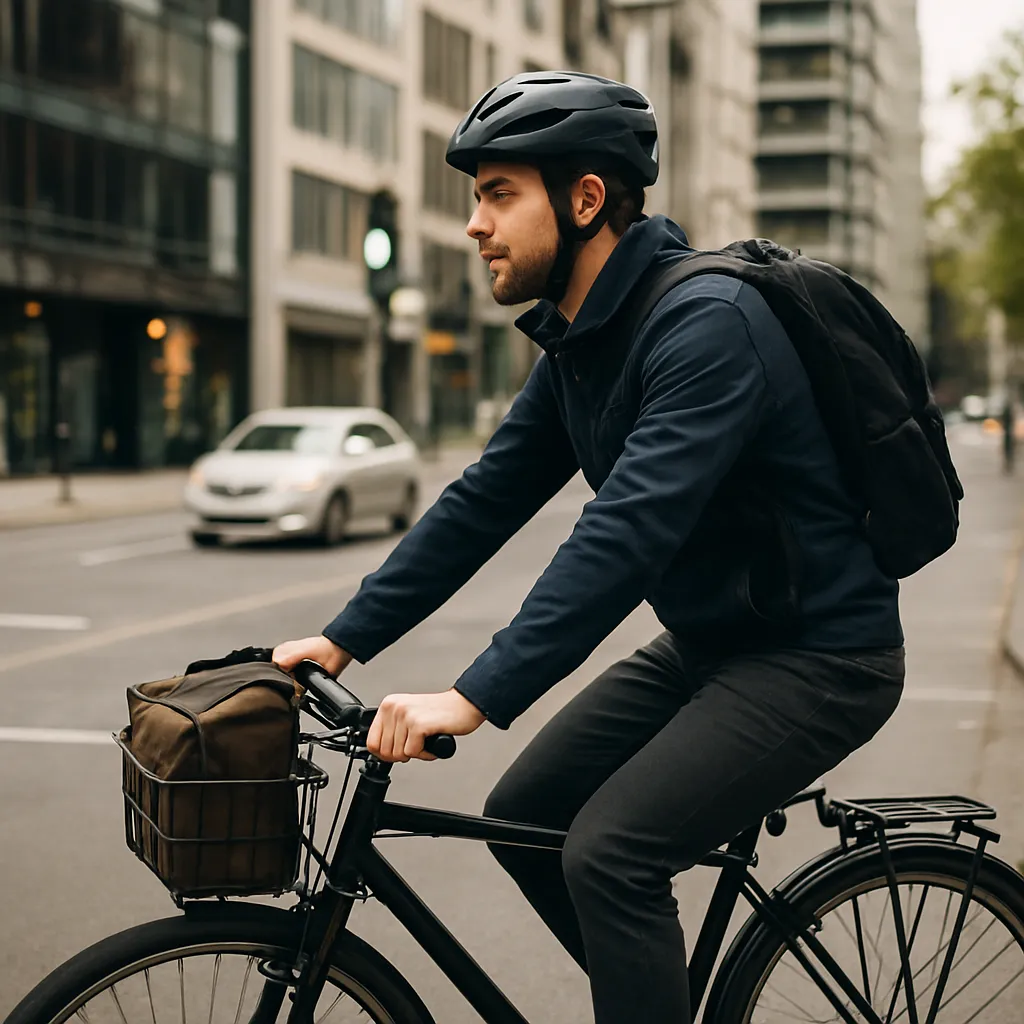
- Helmets must fit snugly without tilting forward or backward. A properly fitted helmet absorbs impact and reduces head injuries.
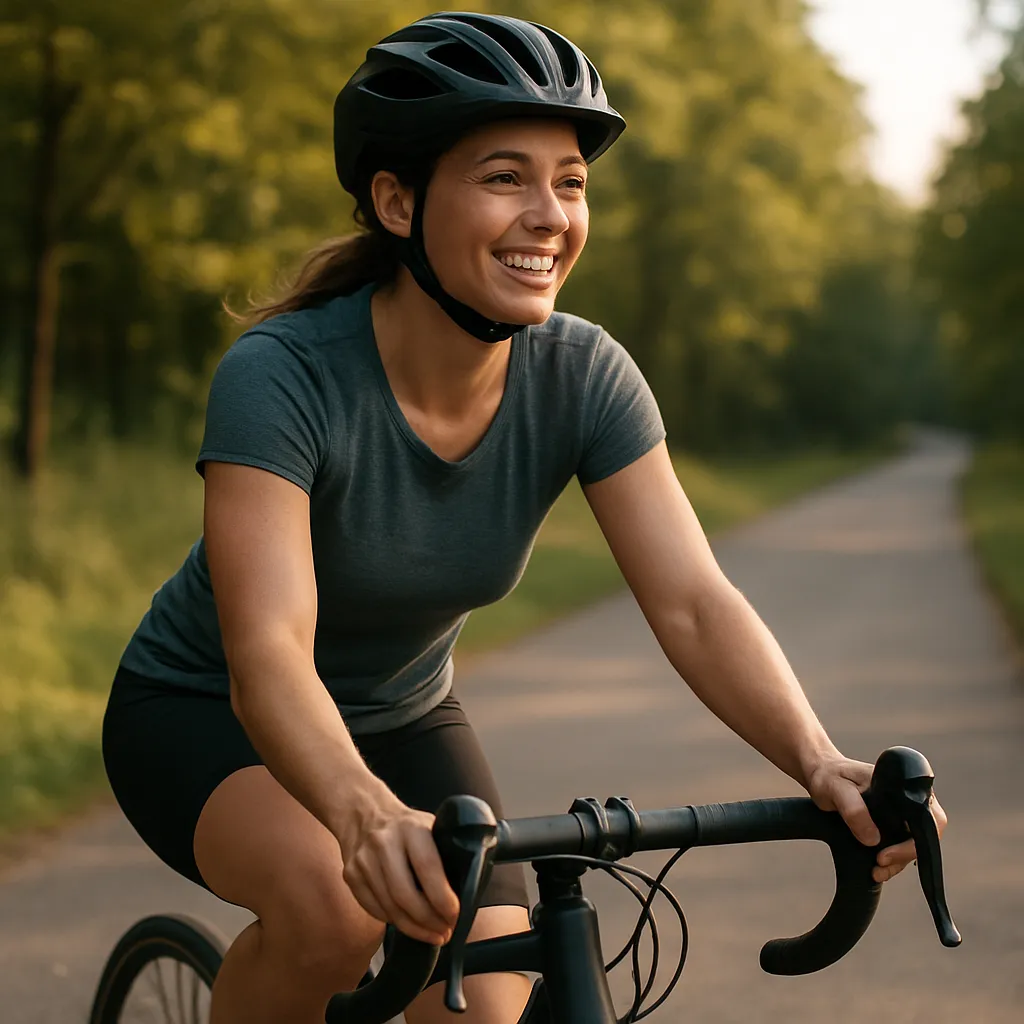
- Consider lightweight, ventilated helmets for warmer weather to enhance **comfort**.
- Use gloves with padding to protect hands from abrasions and improve grip on the handlebars.
- High-visibility vests or reflective stickers boost visibility, especially during dawn or dusk rides.
Building Essential Riding Skills
Teaching foundational cycling skills helps children develop **balance bikes** proficiency and adults reinforce safe habits. Incorporating playful drills can turn practice sessions into a fun family activity.
1. Balance and Steering Drills
- Start on a flat, open surface free of obstacles. Encourage riders to coast with feet off the ground, focusing on maintaining a straight line.
- Set up cones or markers and practice weaving through them. This enhances steering control and reaction time.
- For toddlers, use balance bikes (bikes without pedals) to introduce the concept of shifting weight and steering before moving to pedal bikes.
2. Effective Braking Techniques
- Teach the rule: “Brake with both hands evenly.” Squeezing one brake too hard can cause skidding or tipping.
- Practice emergency stops in a safe area. Riders should look forward, grip tightly, and gently increase pressure until fully stopped.
- Discuss the concept of “progressive braking,” applying gradual force rather than abrupt pressure to avoid falls.
3. Communicating Through Hand Signals
- Left turn: extend the left arm straight out. Right turn: extend the right arm straight out or use the left arm bent upward.
- Stop or slow down: extend the left arm downward, palm open. Use these signals to inform others in the group and nearby traffic.
- Practice signals in a controlled environment before hitting public roads to ensure every rider understands and reacts correctly.
On-the-Road Strategies for Group Riding
Riding as a family on public paths or quiet streets requires mutual awareness and adherence to local regulations. Clear roles and responsibilities help maintain order.
1. Establishing Riding Positions
- Place the most experienced rider at the front to set the pace and navigate obstacles.
- Keep the slowest or youngest rider near the back, ideally with an adult behind them, to prevent them from falling behind.
- Maintain a single-file or two-abreast formation depending on path width and traffic rules.
2. Observing Traffic Rules and Etiquette
- Stop at all stop signs and red lights. Treat intersections with the same caution as motorists.
- Use designated bike lanes whenever available and yield to pedestrians on shared pathways.
- Keep a safe distance from parked cars to avoid “door-zone” accidents.
3. Keeping Communication Open
- Agree on simple verbal commands like “Slowing,” “Stopping,” or “Obstacle” for quick alerts.
- Encourage periodic check-ins, especially on longer routes, to ensure everyone feels comfortable.
- If one rider needs a break, stop in a safe area off the path and regroup before continuing.
Maintaining Enjoyment and Motivation
Long rides can be tiring for little legs and big ones alike. Balancing challenge with fun ensures everyone looks forward to the next excursion.
1. Selecting Family-Friendly Routes
- Opt for gentle gradients and smooth surfaces that match your group’s ability levels.
- Choose paths with points of interest—playgrounds, scenic overlooks, or picnic spots—to break up the ride.
- Consult local cycling maps or apps to discover hidden gems away from busy roads.
2. Incorporating Interactive Breaks
- Plan mini-challenges, such as timed sprints between two landmarks or balancing contests.
- Bring along simple scavenger hunt lists—identify a red bird, a wooden bench, or a stream.
- Use breaks for hydration and light snacks, reinforcing the importance of proper nutrition during exercise.
3. Regular Maintenance to Extend Adventures
- After each ride, wipe down frames and chains to remove dirt and grit.
- Inspect tires for embedded glass or thorns, and patch punctures promptly.
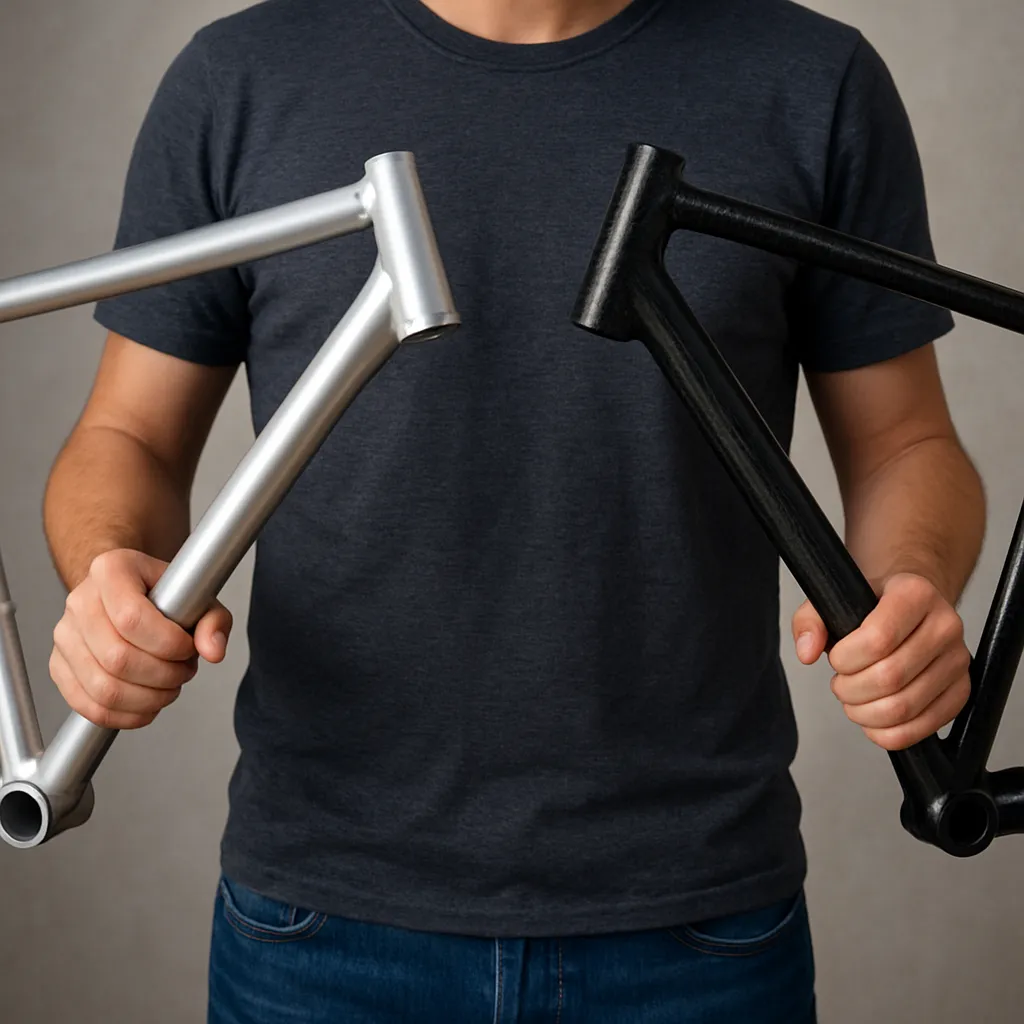
- Schedule deeper tune-ups at a trusted bike shop every few months to keep your **equipment** in top condition.
By focusing on preparation, clear **communication**, and regular upkeep, families can enjoy countless hours of safe cycling together. Emphasizing **confidence**, skill-building, and shared **adventure** will turn each ride into a cherished tradition that strengthens both health and family bonds.