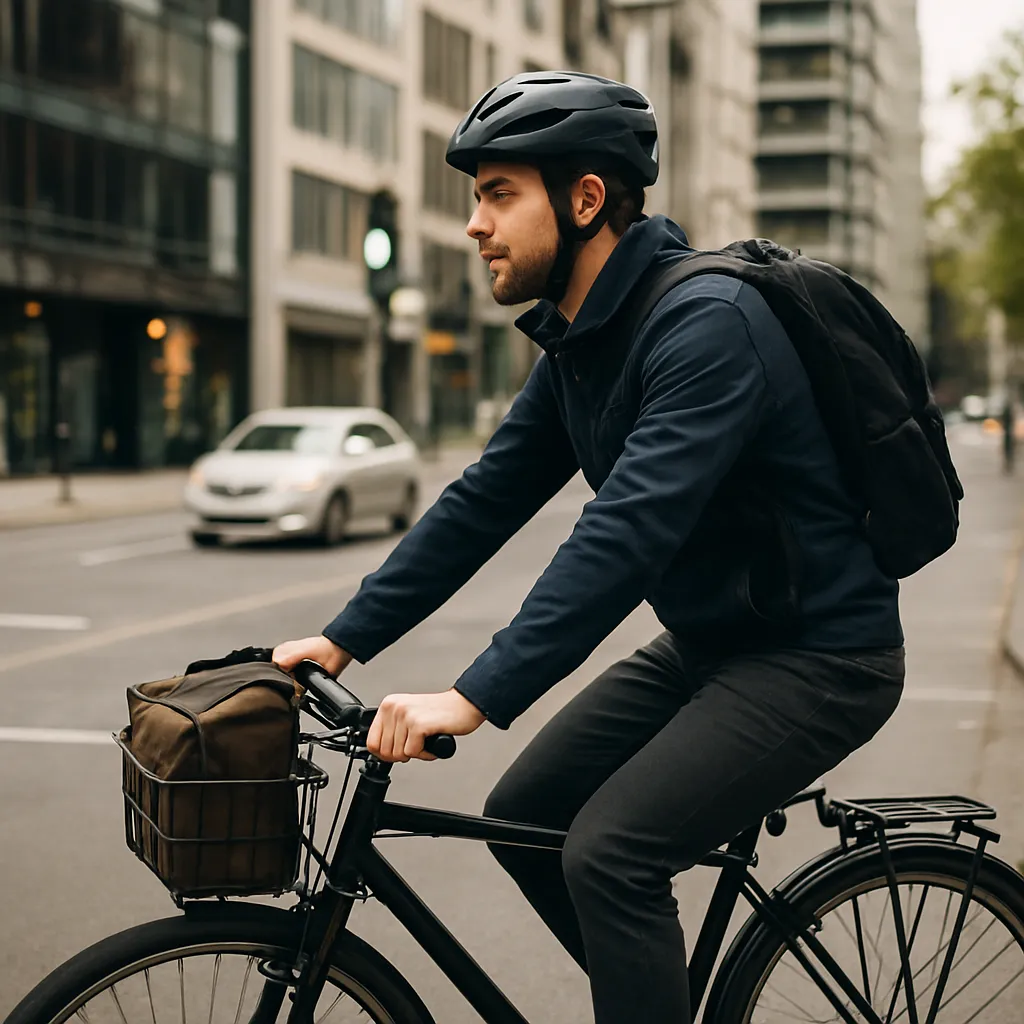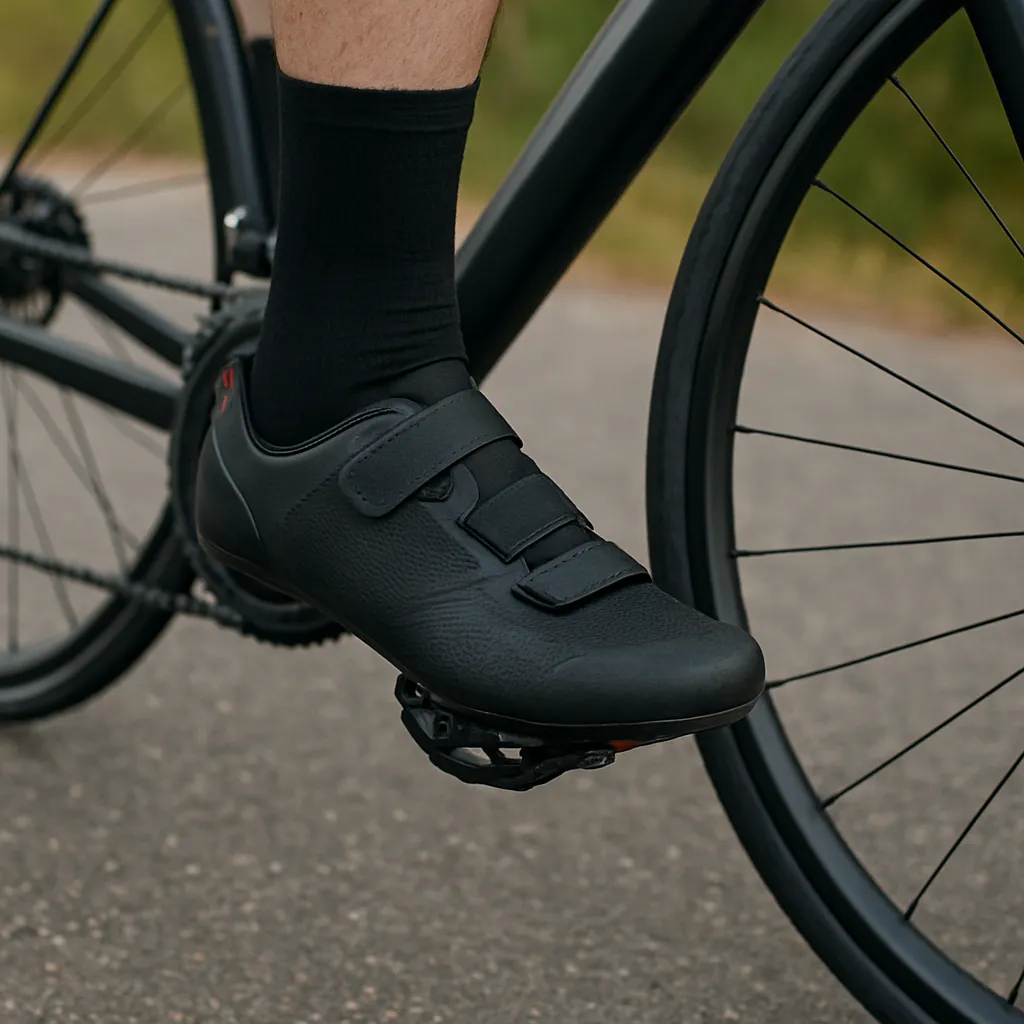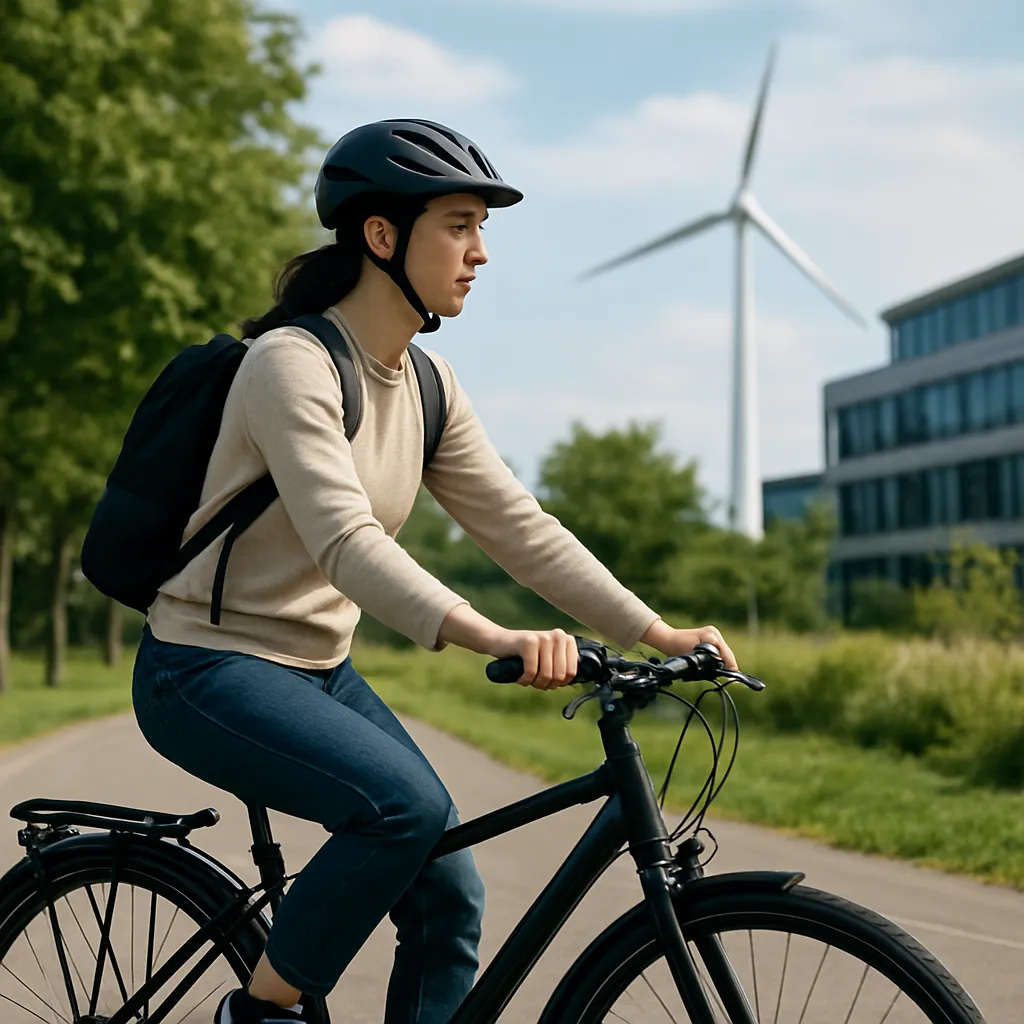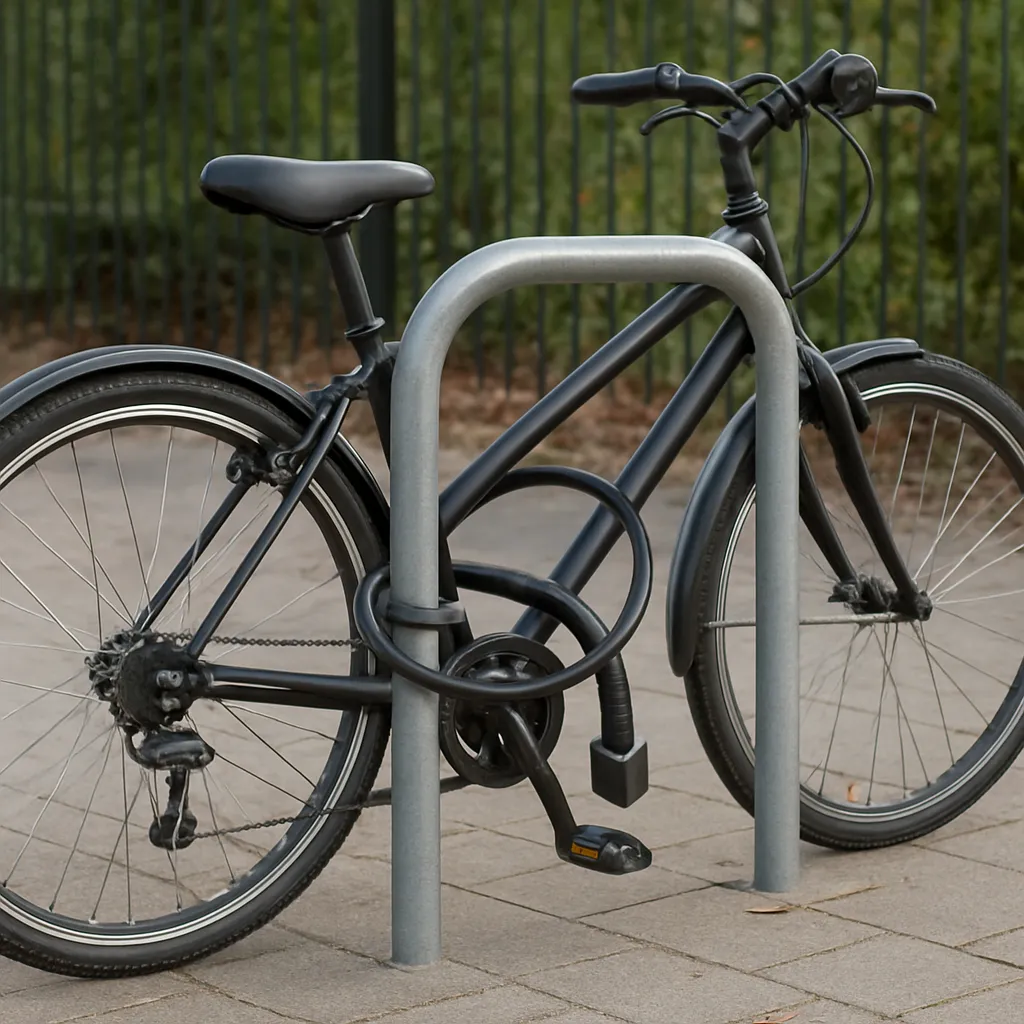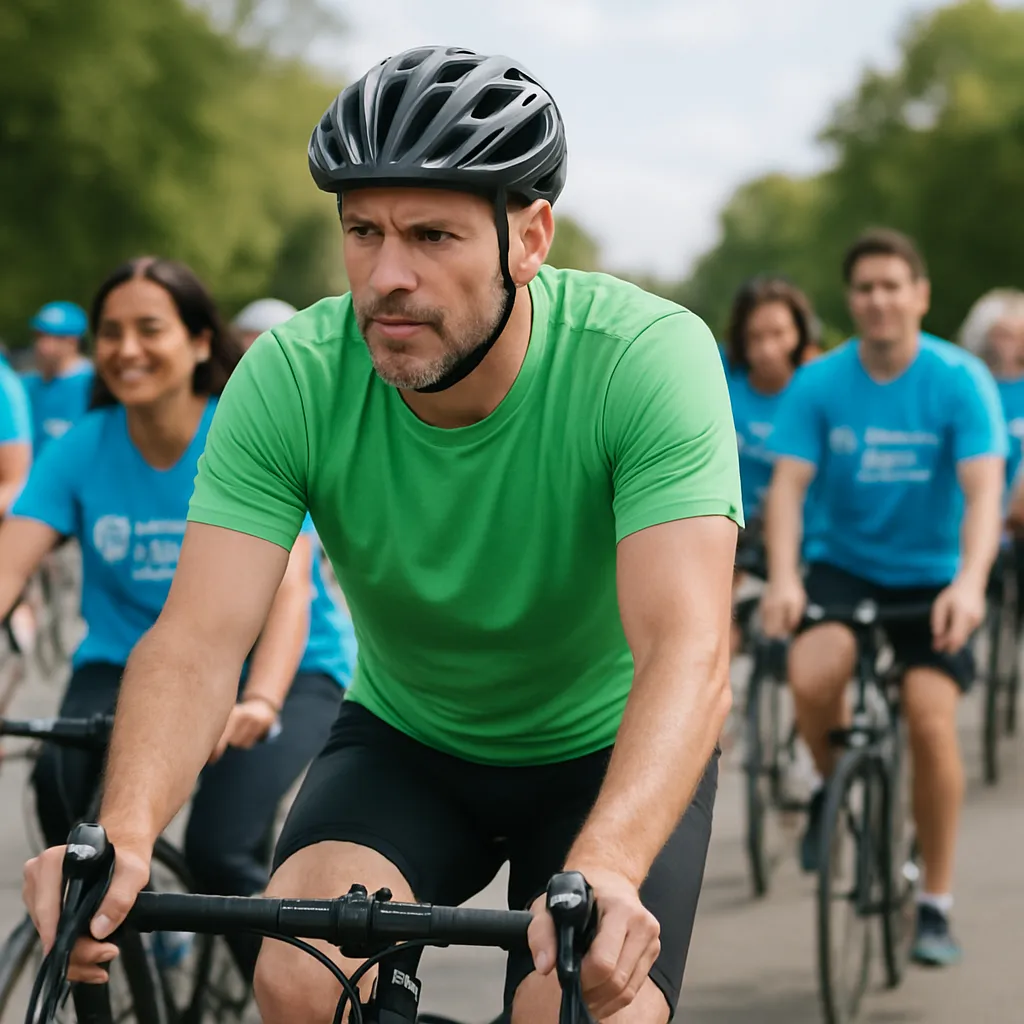
Cyclists from all walks of life unite to transform each pedal stroke into a force for good. Blending the thrill of open roads with the purpose of charitable giving, these events harness enthusiasm and teamwork to generate substantial support for vital causes. Whether seasoned riders or weekend adventurers, participants discover the power of combining fitness, community, and generosity on two wheels.
Empowering Communities Through Cycling
Cycling events designed for charity go beyond typical races by fostering a sense of solidarity and shared vision. Local organizers collaborate with non-profit groups to set clear goals, such as funding medical research, supporting underprivileged youth, or promoting environmental conservation. The momentum of a mass ride quickly turns into a celebration of collective action.
Building Partnerships
- Align with established charities that share the same mission.
- Engage sponsors to provide logistical support and match donations.
- Recruit local businesses for in-kind contributions like refreshments or safety gear.
Through these partnerships, volunteer coordinators can tap into existing networks, ensuring that the ride’s impact extends far beyond the route itself. Riders carry more than water bottles—they carry the hopes of those they represent.
Designing an Engaging Charity Ride
Effective planning starts with selecting a route that balances challenge and accessibility. A well-mapped course invites participants of varying skill levels to join the cause, boosting both registration numbers and fundraising potential. Event planners often integrate scenic viewpoints, rest stops with local snacks, and interactive displays highlighting the charity’s work.
- Route Diversity: Offer multiple distances—5K, 25K, 50K, and longer stages.
- Safety Protocols: Coordinate with local authorities for road closures and first-aid stations.
- Virtual Options: Enable remote participation for global supporters.
Incorporating a digital component—live tracking, social media challenges, or a dedicated app—increases visibility and fosters friendly competition. Participants can form teams, set individual donation targets, and share their progress, ensuring that every kilometer ridden multiplies the event’s impact.
Gear, Training, and Safety Considerations
Proper preparation enhances enjoyment and reduces risk. Event organizers and participants emphasize sustainability by encouraging the use of maintenance-friendly, eco-conscious equipment, such as tubes made from recycled materials or biodegradable cleaning solutions.
Essential Gear Checklist
- Helmet certified to the latest safety standards.
- Visibility-enhancing lighting for early dawn or dusk starts.
- Well-fitted cycling gloves, padded shorts, and moisture-wicking jerseys.
- Portable repair kit, including spare tubes and a multi-tool.
Training regimens focus not only on endurance but also on bike handling and group riding etiquette. Workshops led by experienced cyclists teach climbing techniques, safe overtaking, and emergency response for minor injuries. This comprehensive approach fosters confidence and inclusivity, inviting newcomers to raise funds while mastering essential skills.
Stories That Inspire and Mobilize
Behind every registered rider lies a personal narrative that fuels motivation. Highlighting these stories serves as a powerful tool for advocacy and donation drives. From cancer survivors who conquer steep hills to families cycling in memory of lost loved ones, these tales of resilience resonate deeply with sponsors and the community at large.
Spotlight on Riders
- A high school teacher raising funds for school art programs after budget cuts.
- A veteran duo cycling coast-to-coast to support mental health initiatives.
- A novice rider who lost over 40 pounds through training for a 100K challenge.
By profiling participants on event websites and social media, organizers weave a tapestry of human experiences that underscore the ride’s greater purpose. The emotional connection inspires donors to contribute, turning spectators into active supporters and amplifying each mile’s significance.
Measuring Impact and Sustaining Momentum
Post-ride evaluation cements the event’s legacy by quantifying achievements and charting future goals. Key performance indicators include total funds raised, participant growth rates, and qualitative feedback collected through surveys. Transparency is crucial: publishing detailed reports and acknowledgments keeps stakeholders engaged and informed.
- Data Analytics: Use digital tools to track donations per rider and segment.
- Engagement Metrics: Monitor social media reach, hashtag usage, and media coverage.
- Follow-Up Initiatives: Organize year-round virtual rides or training clinics.
Maintaining momentum involves creating a year-round narrative, complete with pre-ride training events, quarterly webinars on cycling best practices, and community service days. This continuity fosters empowerment and nurtures a dedicated network of advocates who will return stronger each season, proving that every pedal forward truly matters.