The evolution of bicycle gear technology has profoundly influenced the way cyclists experience riding, whether on city streets, mountain trails, or long-distance tours. Over the decades, manufacturers and innovators have continuously sought to refine and enhance gear systems to deliver smoother shifts, greater durability, and improved efficiency. This article explores the milestones, breakthroughs, and future directions in the development of bike gear technology.
Early Mechanical Innovations
In the late 19th century, bicycles were mainly single-speed machines with a fixed gear ratio. Riders often faced steep hills with little mechanical assistance, making uphill pedaling a strenuous task. The first major leap occurred with the introduction of the derailleur system in France during the 1930s. Early derailleurs were rudimentary, featuring external pulleys and limited gear ranges, but they laid the foundation for more complex setups. Campagnolo’s Gran Sport derailleur, launched in 1949, brought significant improvements in reliability and shift precision, marking a turning point in gearing technology.
The Rise of Indexed Shifting
During the 1980s, an important advancement emerged: indexed shifting. Before indexing, shifting required riders to manually fine-tune the derailleur alignment to match each cog. Indexed systems introduced discrete “clicks” for each gear, allowing for consistent and repeatable shifts. Shimano’s pioneering Index System (SIS), released in 1984, showcased how precise cable pulls could automatically align the chain with each sprocket. This innovation drastically reduced shifting errors and led to widespread adoption across amateur and professional cycling.
Indexed Shifting Components
- Shifters: Ergonomic levers with tactile feedback.
- Cable Units: Low-friction housing and stainless steel cables.
- Derailleurs: Designs optimized for quick lateral movement and chain retention.
Materials and Manufacturing Breakthroughs
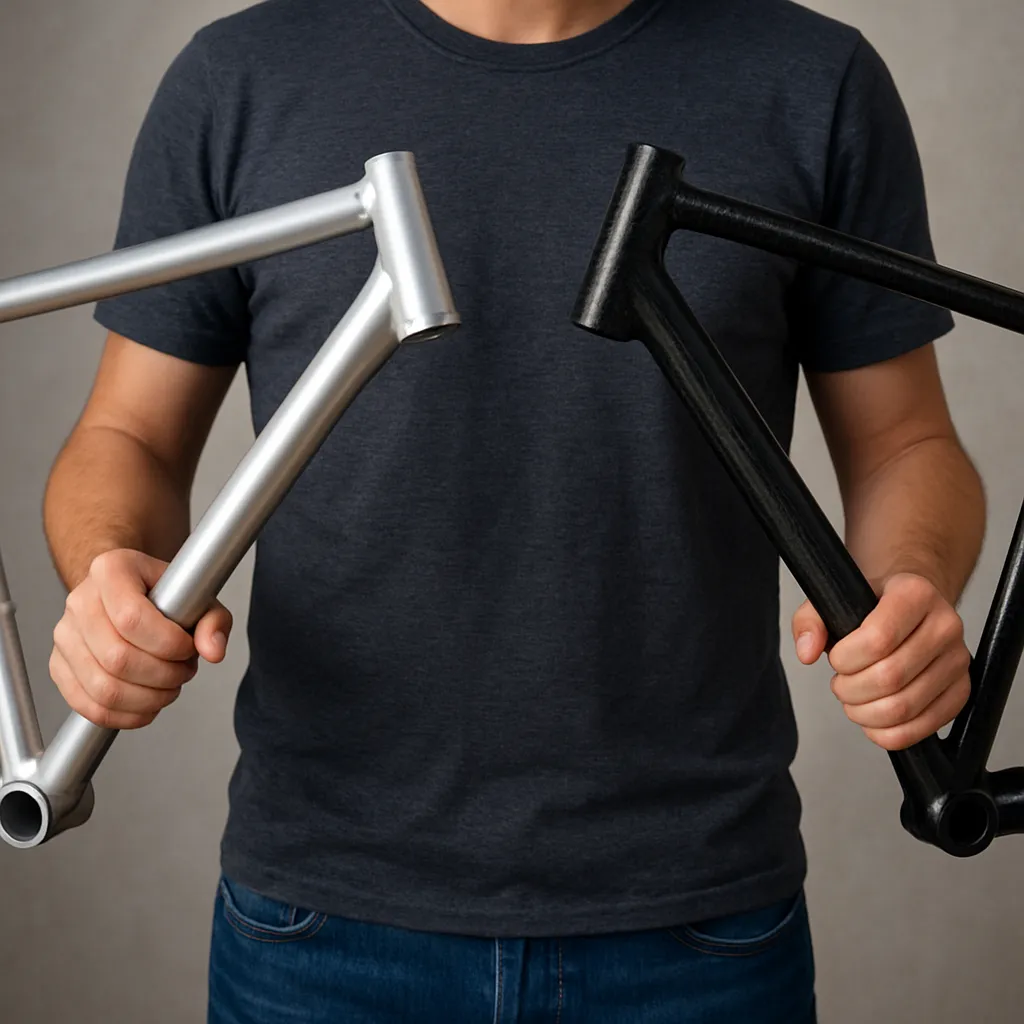
The quest for lighter, stronger, and more durable components led to experimentation with new materials. Early gear mechanisms used steel and aluminum alloys, but modern systems incorporate carbon fiber, titanium, and advanced composites. These materials reduce weight without sacrificing structural integrity. Meanwhile, precision CNC machining and injection molding have allowed manufacturers to produce parts with tighter tolerances, resulting in smoother shifting action and longer lifespans.
High-Performance Materials
- Carbon Fiber: Ultra-lightweight pulleys and derailleur cages.
- Titanium: Corrosion-resistant bolts and small linkages.
- Composite Polymers: Low-noise housings and end caps.
Integration with Suspension and Frames
As mountain biking gained popularity, the integration of gear systems with full-suspension frames became crucial. Designers had to ensure that suspension movement did not compromise chain tension or derailleur alignment. Innovations like clutch mechanisms in rear derailleurs were introduced to control chain bounce and improve overall drivetrain stability. These developments allowed riders to tackle rough trails without worrying about dropped chains or mis-shifts.
Electronic Shifting Takes Center Stage
At the turn of the 21st century, electronic shifting revolutionized the way cyclists change gears. Systems such as Shimano’s Di2, SRAM’s eTap, and Campagnolo’s EPS replaced mechanical cables with electronic signals and compact batteries. Riders could enjoy near-instantaneous gear changes with minimal lever effort. Electronic groupsets also introduced programmable multi-shift functions, automatic trim adjustments, and synchronized shifting for double and triple chainrings.
Key Advantages of Electronic Shifting
- Precision: Exact shifts even under full load.
- Consistency: Minimal cable stretch or friction over time.
- Customization: Rider-defined shift sequences and button mapping.
Wireless and Smart Integration
SRAM’s eTap system took electronic shifting a step further by removing wires entirely. Individual derailleurs communicate via low-energy Bluetooth or ANT+ protocols, simplifying installation and maintenance. This wireless approach has paved the way for integration with bike computers and smartphones, enabling riders to monitor battery status, firmware updates, and shifting diagnostics in real time.
Emergence of Continuously Variable Transmissions
Beyond discrete cogs, continuously variable transmissions (CVTs) offer seamless gear ratio changes. While still relatively niche in bicycles, CVTs like the NuVinci hub transmission allow riders to shift smoothly through an infinite range of ratios. These systems eliminate shift shock and provide an intuitive riding experience, especially in urban and commuting contexts.
Electric Bikes and Gear Synergy
The boom in electric bicycles (e-bikes) has prompted gear manufacturers to adapt their designs for higher torque and increased wear. E-bike derailleurs, cassettes, and chains often feature reinforced structures and wider engagement interfaces. Integration between the electric motor’s torque output and the mechanical drivetrain is crucial for delivering efficient power transfer and preserving component longevity.
Environmental and Sustainable Trends
Manufacturers are increasingly focusing on sustainability by using recycled materials, eco-friendly coatings, and longer-lasting lubricants. Some companies offer repair kits and modular replacement parts to extend the service life of gear assemblies. The push for a circular economy encourages cyclists to maintain and upgrade existing gear systems rather than disposing of complete groupsets prematurely.
Looking Ahead: AI and Predictive Maintenance
Artificial intelligence and data analytics are set to transform gear technology further. Smart derailleurs equipped with sensors could predict wear patterns, suggest maintenance intervals, and automatically adjust shift parameters based on riding style and terrain. Integration with wearable devices and connected platforms may also enable personalized gearing strategies, optimizing cadence and power output for each rider.
Conclusion
From the humble beginnings of single-speed bikes to today’s high-tech electronic and wireless systems, bicycle gear technology has undergone remarkable transformation. Innovations in materials, manufacturing, and digital integration continue to push the boundaries of performance, reliability, and user experience. As the cycling world embraces sustainability and smart connectivity, the next generation of gear systems promises even more seamless, durable, and adaptive solutions for riders everywhere.