Embarking on the journey to purchase your first serious bike can be both exhilarating and daunting. With countless models, components, and price ranges to choose from, setting a clear and realistic budget is essential. This guide will walk you through key steps to ensure your investment aligns with your riding goals and financial constraints, ultimately helping you find a bike that offers the best blend of performance, durable construction, and long-term satisfaction.
Defining Your Riding Goals and Needs
Before you decide how much to spend, it’s crucial to pinpoint exactly what you want from your new bicycle. Riding preferences and terrain can greatly impact both the type and cost of the bike that suits you best.
Type of Riding
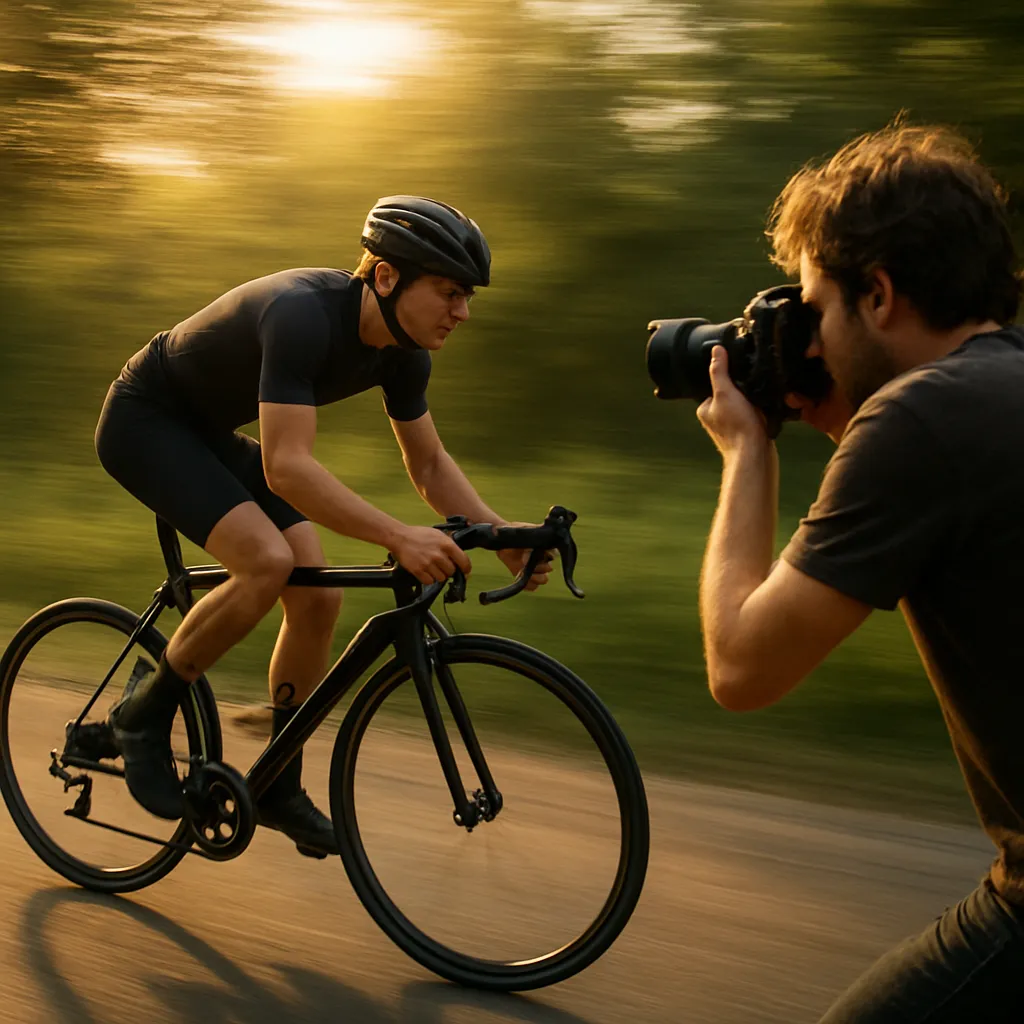
- Road Cycling: Smooth pavement, speed, and efficiency.
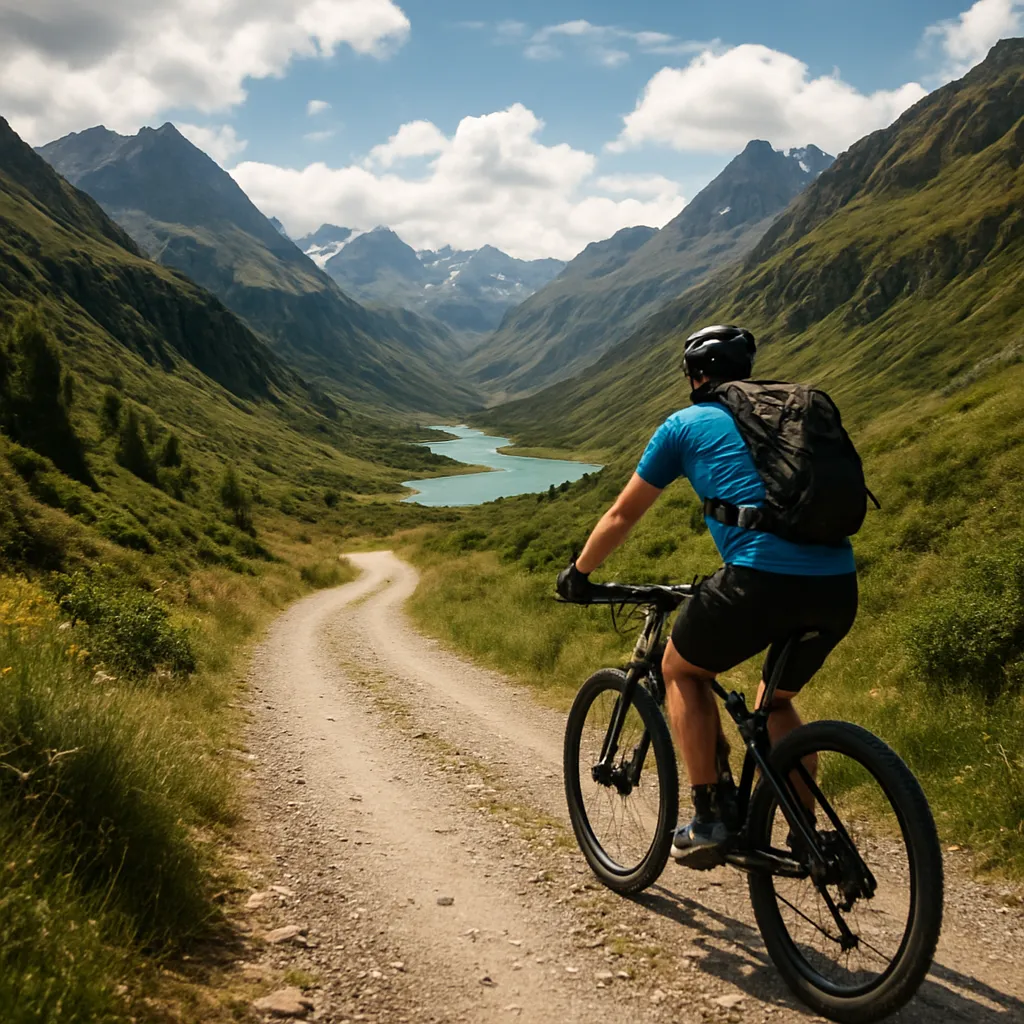
- Mountain Biking: Off-road trails, obstacles, and rugged conditions.
- Gravel Riding: Mixed surfaces, from dirt roads to light trails.
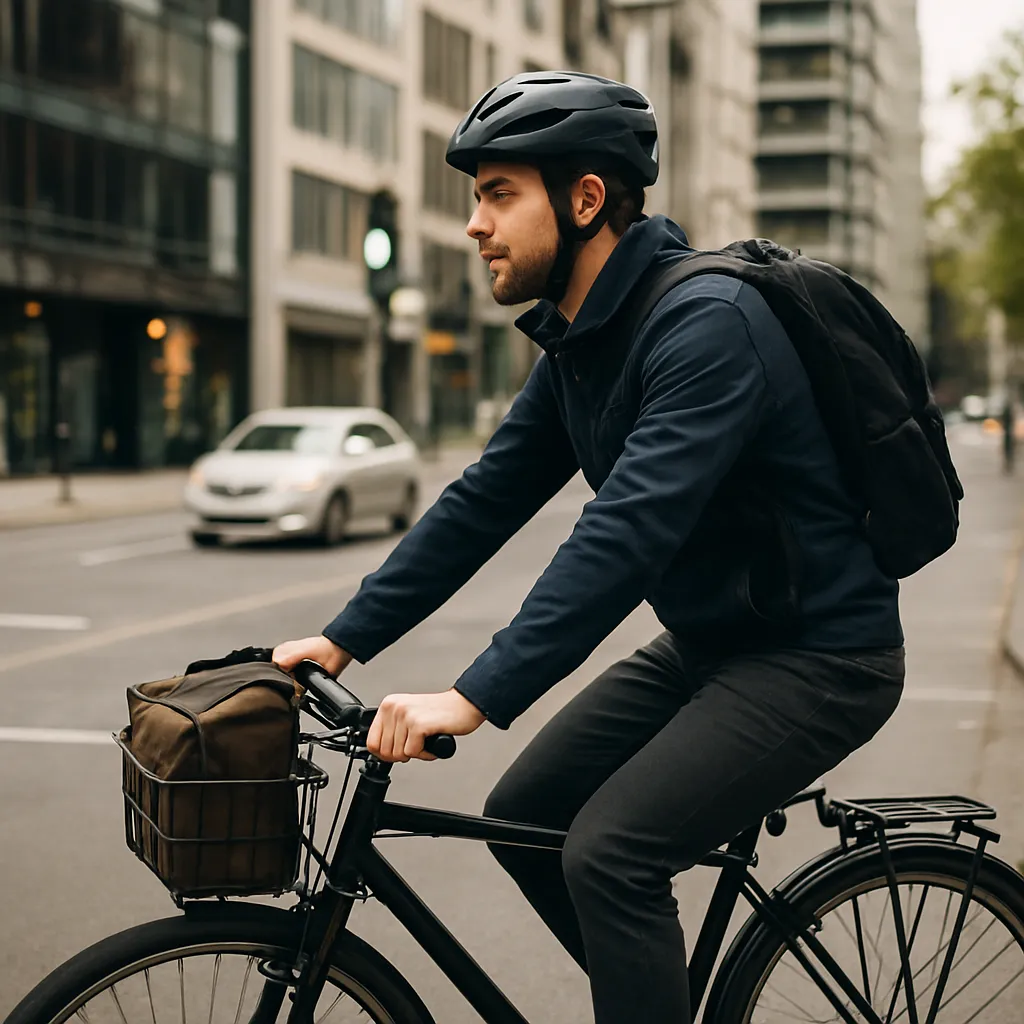
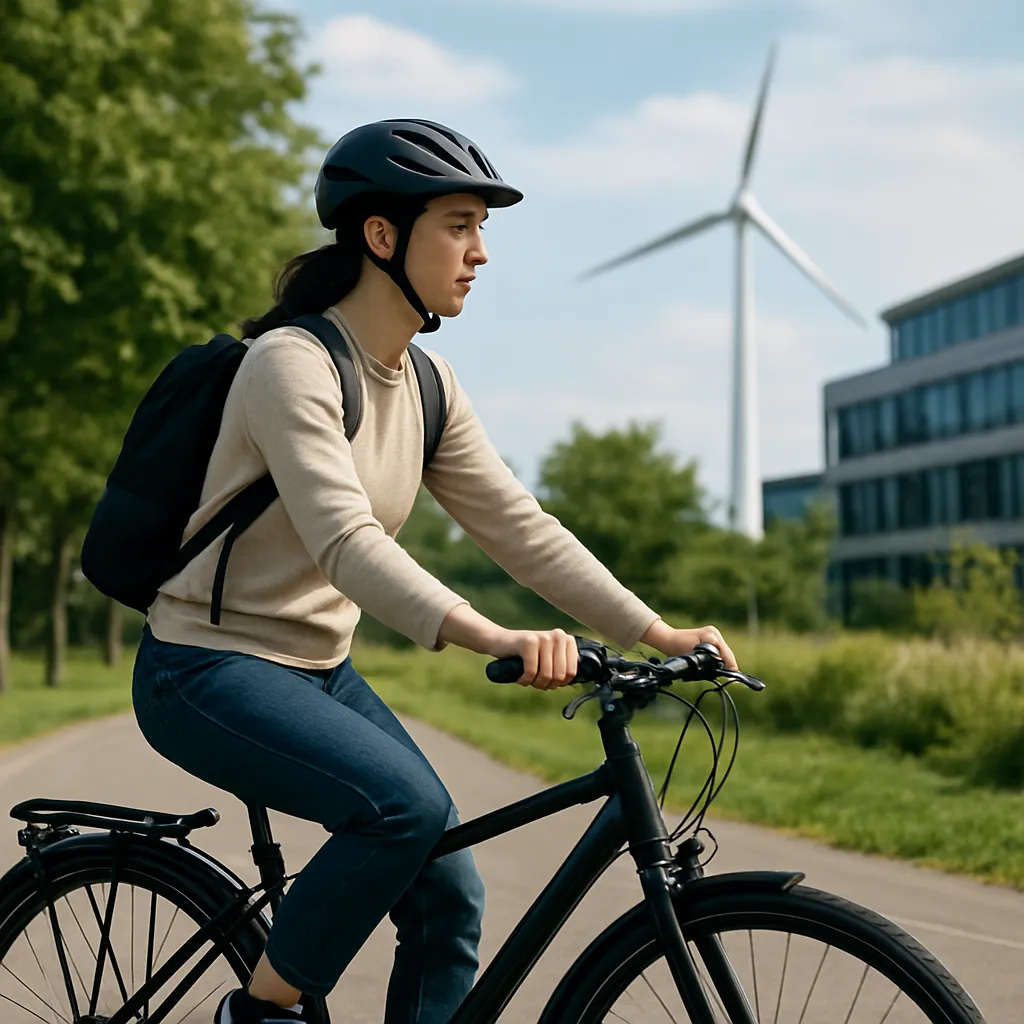
- Commuting & Urban Use: Durability, convenience, and low maintenance.
Each discipline has its own ideal frame materials, geometry, and component requirements. Recognizing your primary riding style will help narrow the market and prevent you from overspending on features you’ll never use.
Frequency and Intensity
Consider how often and how hard you plan to ride. If you aim for daily training sessions or extended weekend adventures, investing in higher-quality parts and a lighter frame could be worthwhile. Casual riders who commute a few times a week might prioritize maintenance costs and durability over ultra-lightweight setups.
Researching Bike Categories and Key Components
Once your goals are clear, dive deeper into the specific categories and parts that define a bike’s performance and price. Understanding these factors will help you allocate your budget effectively.
Frame Materials and Their Costs
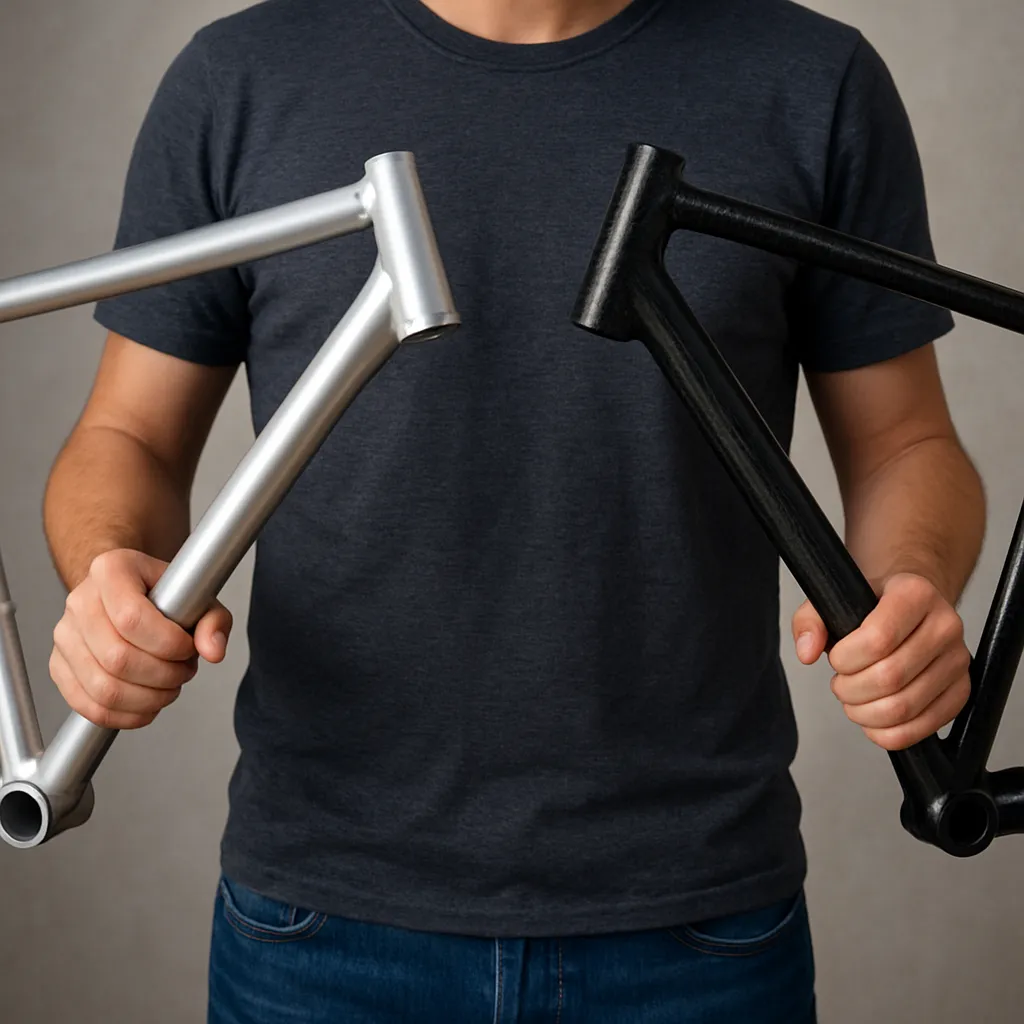
- Aluminum: Affordable, lightweight, and reliable—often the entry point for many riders.
- Steel: Strong and comfortable ride quality but typically heavier.
- Carbon Fiber: Top-tier performance and vibration dampening, with a premium price tag.
- Titanium: Exceptional ride feel and corrosion resistance, usually at a high cost.
Allocating roughly 30–40% of your budget to the frame is a common rule of thumb for a balanced bike purchase.
Drivetrain and Components
The groupset (gears, shifters, brakes, and crankset) often represents 20–30% of the total cost. Mid-range systems from reputable brands deliver reliable shifting and braking performance without breaking the bank. When establishing your budget, research component price tiers:
- Entry-Level: Functional but heavier, with simpler gear ranges.
- Mid-Range: Balanced weight and performance, durable under varied conditions.
- High-End: Lightweight, precise, and designed for serious enthusiasts.
Choosing the right balance between quality and cost here can significantly impact your bike’s overall ride feel.
Wheels, Tires, and Extras
Often overlooked, wheels and tires contribute heavily to ride comfort and speed. Budget at least 10% of your total spend for a reliable set. Upgrading wheels in the future can improve performance, but selecting decent stock wheels will reduce upgrade expenditures down the road.
Setting a Realistic Budget Breakdown
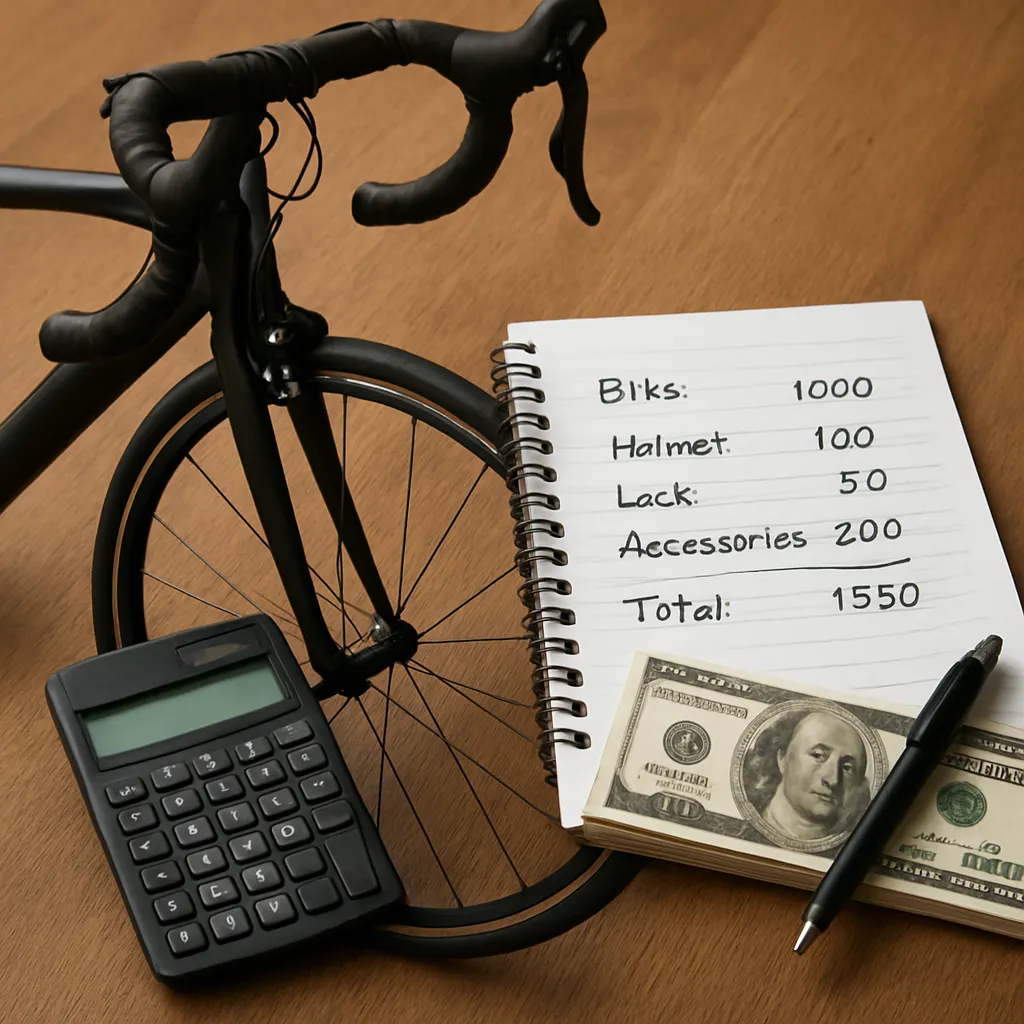
Now it’s time to put pen to paper and allocate funds based on your research. A structured budget will prevent impulse buys and help you avoid overspending on non-essential features.
Sample Budget Allocation
- Frame & Fork: 35%
- Drivetrain & Brakes: 25%
- Wheels & Tires: 10%
- Handlebars, Stem & Seatpost: 10%
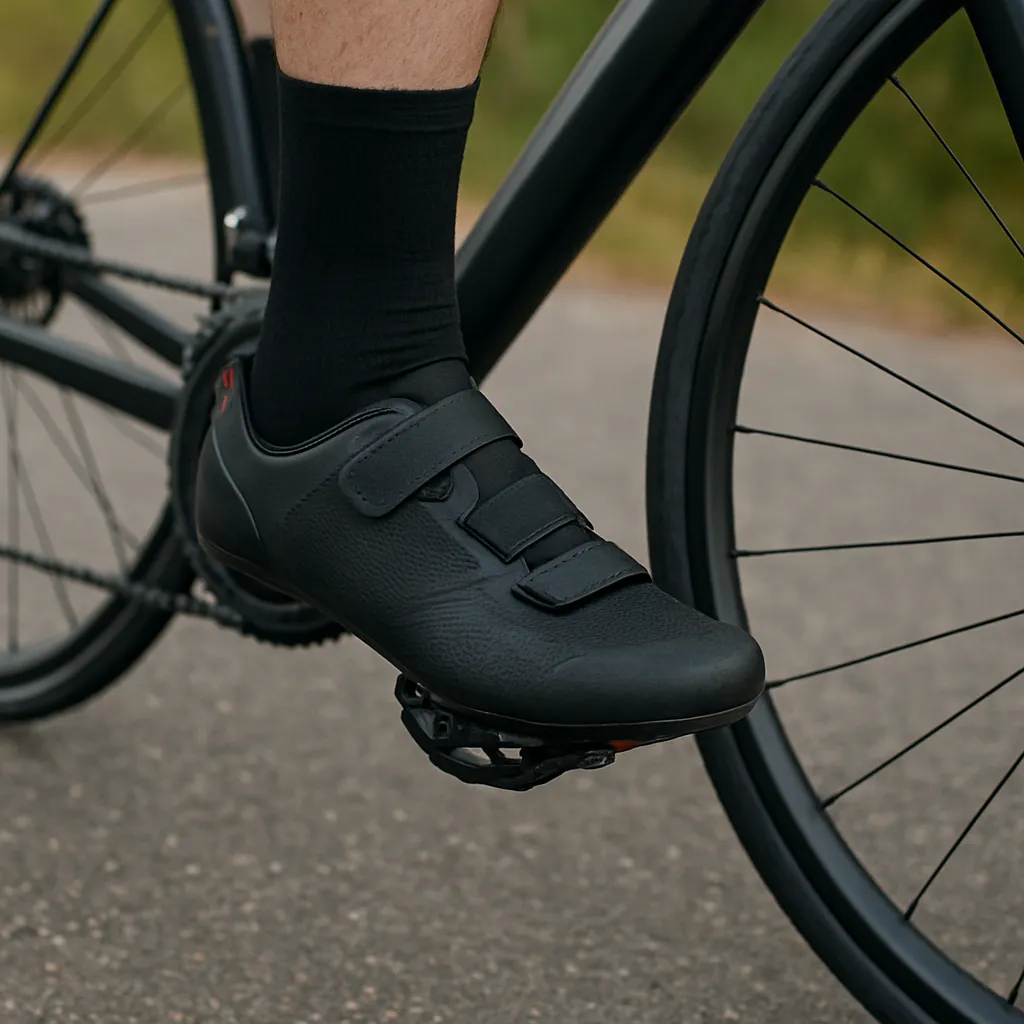
- Pedals & Accessories: 10%
- Labor & Setup: 10%
Adjust percentages according to your priorities. A competitive racer might shift more funds toward performance-oriented components, while a commuter could allocate more toward lighting, racks, and fenders.
Finding Your Price Range
Take stock of your total available budget and use the allocation percentages to calculate approximate spending on each category. For example, on a $2,000 budget:
- $700 frame & fork
- $500 groupset
- $200 wheels & tires
- $200 cockpit components
- $200 accessories
- $200 setup and labor
This breakdown ensures you address all critical elements without shortchanging any one area.
Saving Strategies and Financing Options
If your ideal bike exceeds your current budget, explore strategies to bridge the gap without compromising on essentials.
Used vs. New
Purchasing a gently used bike can yield significant savings. Look for reputable sellers, request maintenance records, and inspect for wear. A secondhand carbon frame from a top brand can sometimes cost less than a brand-new aluminum model.
Seasonal Sales and Promotions
End-of-season sales, Black Friday deals, and clearance events can provide deep discounts. Sign up for newsletters from local bike shops and major retailers to stay informed about upcoming promotions.
Financing and Payment Plans
Many bike shops and online retailers offer installment plans or zero-interest financing for a set period. While this can ease upfront costs, ensure you understand payment terms to avoid unexpected price hikes or fees.
Maximizing Value and Long-Term Planning
Once you’ve chosen your bike and components, consider strategies to protect your investment and maintain its value over time.
Regular Maintenance
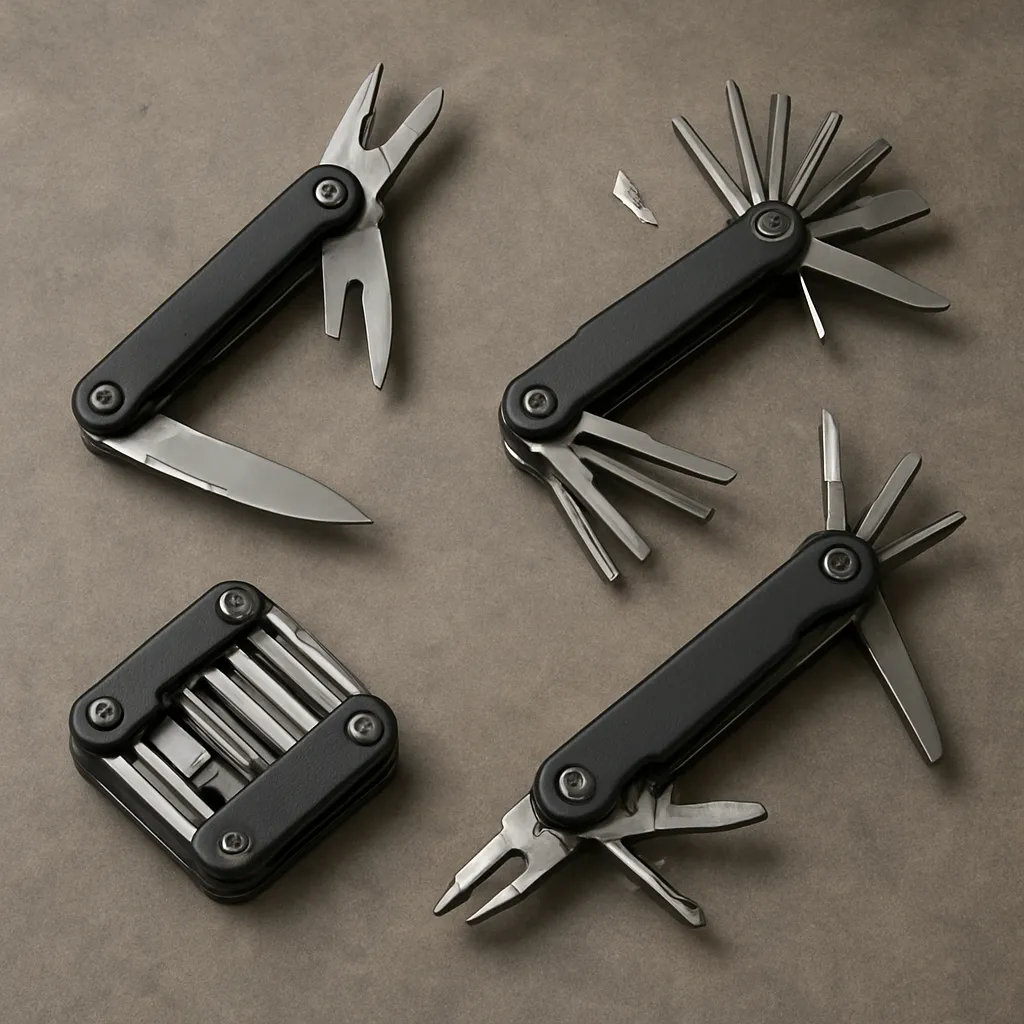
Routine cleaning, lubrication, and inspections extend component life and keep performance at peak levels. Spending a modest sum on essential tools and consumables can prevent costly repairs down the road.
Customization and Future Upgrades
Maintaining compatibility with future upgrades adds versatility. Opt for a frame that accommodates wider tire clearances or electronic shifting if you plan to upgrade later. This forward-thinking approach can deliver better resale value when the time comes to sell or trade in.
Insurance and Security
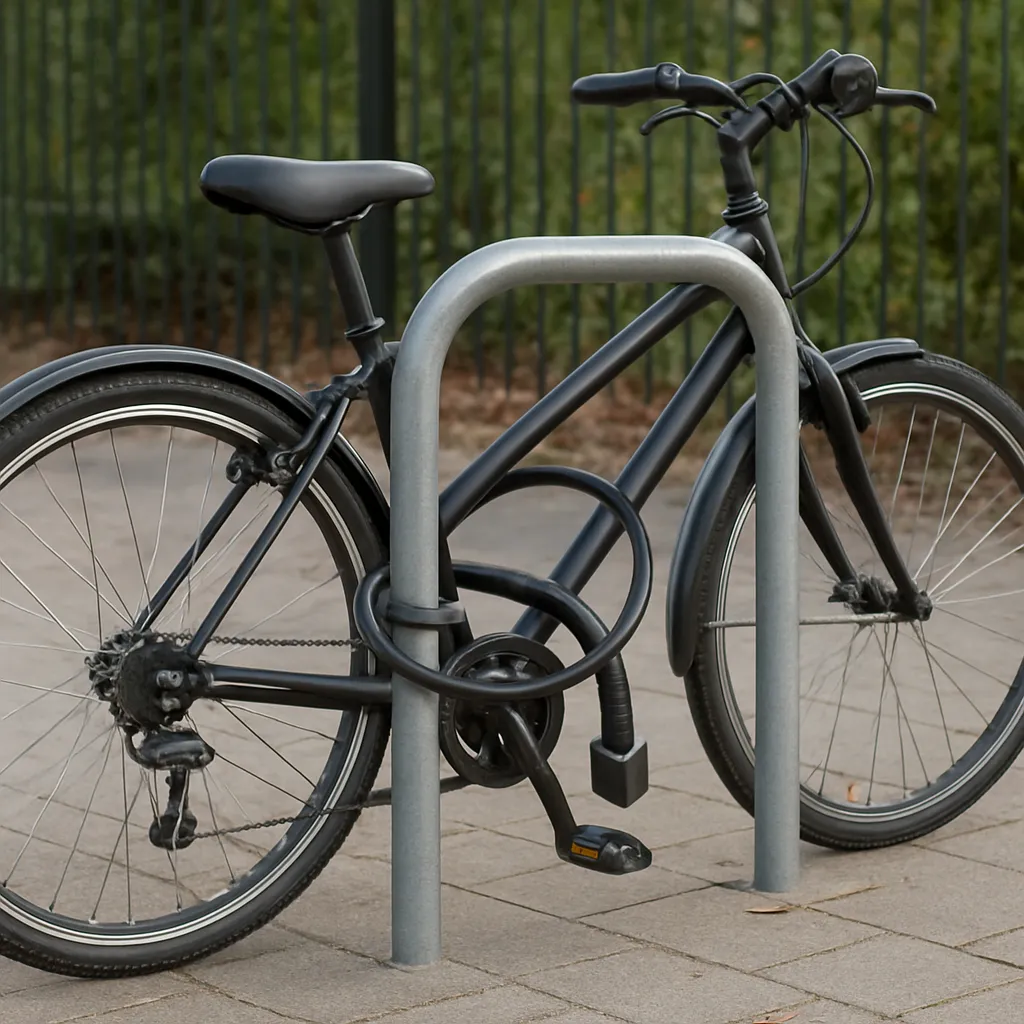
Investing in a quality lock and considering bike insurance may seem like extra expenses, but these safeguards protect your investment from theft and damage. Factor these costs into your overall budget planning.