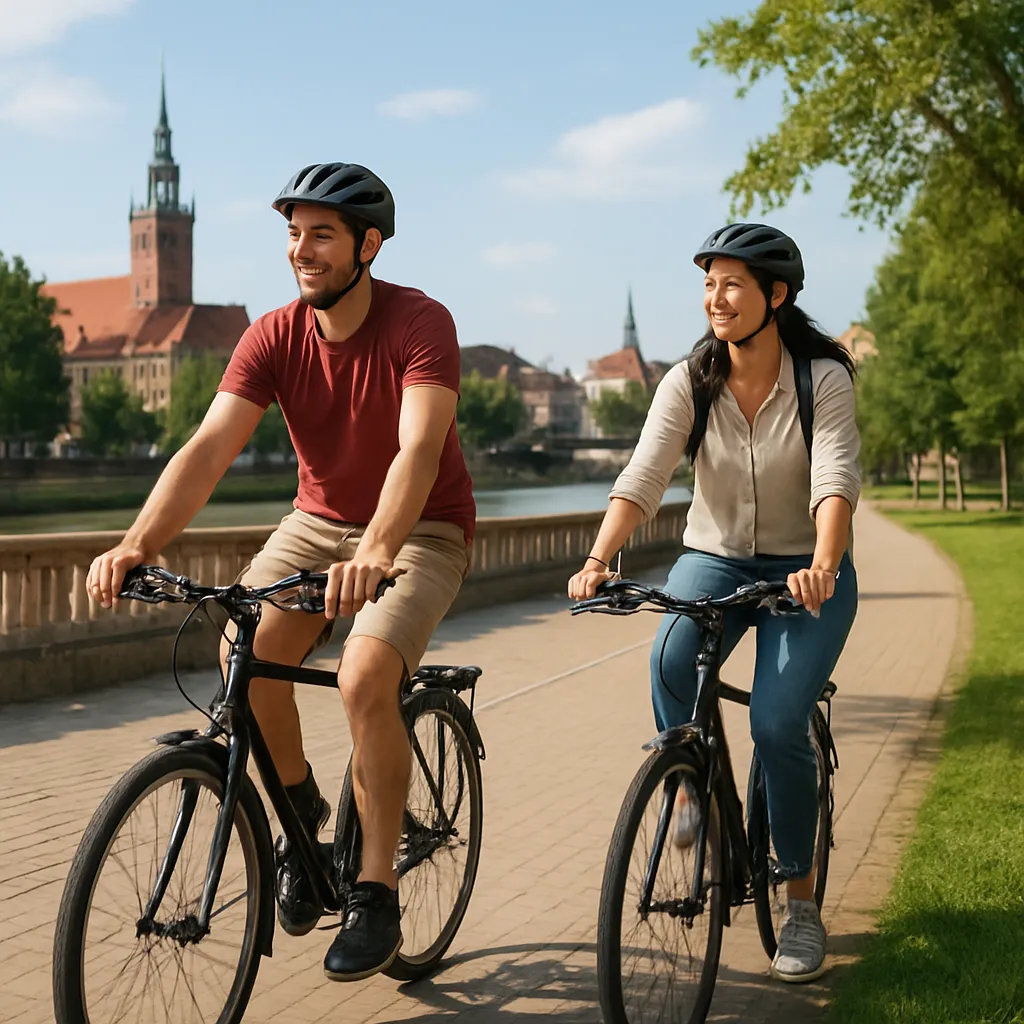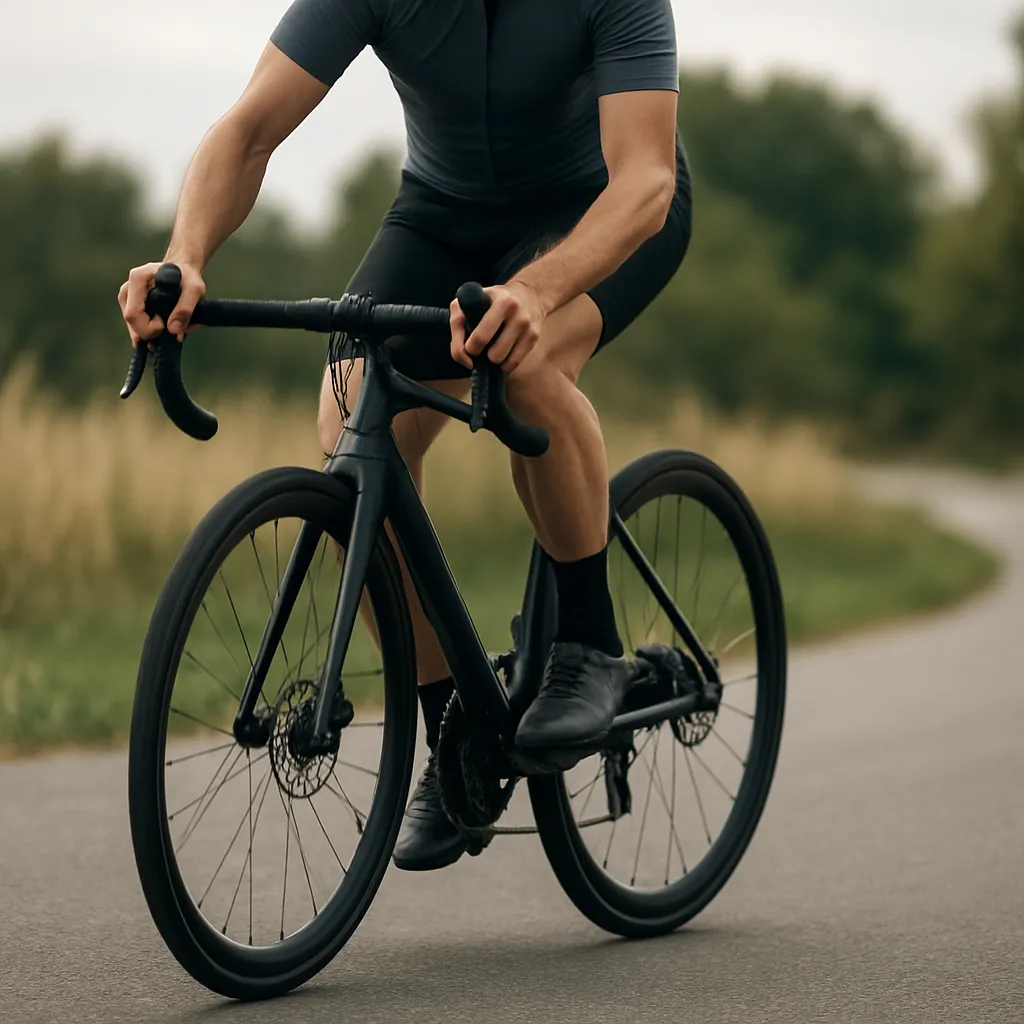
Cycling is undergoing a radical transformation driven by emerging technologies, evolving urban landscapes, and a renewed emphasis on sustainability. Riders and manufacturers are exploring new frontiers, redefining what a bicycle can be and how it fits into daily life. From cutting-edge powertrains to intelligent ride analytics, next year promises a wave of innovations that will reshape the experience for everyone from casual commuters to seasoned racers. Dive into the key trends set to dominate the world of cycling.
Advances in Electric Bikes and Powertrains
Next-Generation e-Bike Motors
The surge in popularity of e-bike technology shows no sign of slowing down. Manufacturers are investing heavily in compact, high-torque motors that deliver smoother support and reduced weight. Expect to see drives integrated directly into the crankset or rear hub, offering immediate power delivery and near-silent operation. These new motors boast improved thermal management, allowing sustained assistance on long climbs without overheating.
Battery Innovations and Range Extension
Battery development continues to be a cornerstone of the electric revolution. Solid-state cells promise higher energy densities and greater safety compared to traditional lithium-ion packs. Alongside chemistry improvements, we’re witnessing modular battery systems that let riders combine smaller modules for customizable capacity. This enhances versatility, as one pack can be swapped out for a lighter or heavier option based on ride length.
Efficient Power Management Systems
Smart power management is unlocking new degrees of efficiency. Integrated controllers now adapt assistance levels based on terrain and pedal cadence, ensuring optimum battery usage. This innovation not only extends range but also provides a more natural riding sensation, blending human effort and motor support seamlessly.
Seamless Integration of Smart Technologies
Connected Ride Computers
Smart ride computers are evolving into centralized hubs that gather data from various sensors: speed, heart rate, power output and GPS. Advanced devices automatically sync with training platforms and smartphone apps, giving riders real-time coaching cues and route recommendations. This heightened level of connectivity turns any ride into an opportunity for performance analysis.
IoT and Predictive Maintenance
The Internet of Things is expanding into the cycling domain, enabling predictive maintenance through real-time monitoring of components. Sensors embedded in frames and wheels can detect stress points, temperature anomalies or chain wear, alerting riders before a mechanical failure occurs. This preemptive approach increases reliability and prolongs component life.
Augmented Reality and Safety
Augmented Reality (AR) helmets and visors are on the horizon, capable of projecting turn-by-turn navigation and hazard warnings into the rider’s field of vision. By overlaying data onto the real world, these devices minimize distractions and enhance overall comfort and safety on busy streets or winding trails.
Sustainable Materials and Eco-Friendly Manufacturing
Green Frame Materials
Carbon fiber remains the material of choice for high-end frames, but manufacturers are increasingly exploring recycled or bio-based composites. Innovations in resin chemistry allow for plant-derived epoxies that cut down on petroleum use. Some brands are experimenting with bamboo and other natural fibers for mid-tier models, combining strength, light weight and a lower carbon footprint.
Closed-Loop Supply Chains
Leading companies are adopting closed-loop processes to reclaim metals, polymers and composites from old bicycles. This approach reduces waste and keeps valuable resources in circulation. As traceability becomes a consumer priority, expect to see more brands offering certifications on ethical sourcing and end-of-life recycling programs.
Eco-Conscious Component Design
From biodegradable bar tape to low-impact paint processes, small details contribute to a bike’s overall sustainable profile. Components are being redesigned for easier disassembly, ensuring that even minor parts can be effectively recycled or repurposed. This trend reflects a broader industry commitment to environmental responsibility.
Urban Infrastructure and Micromobility
Protected Bike Lanes and Policy Shifts
Municipalities worldwide are expanding dedicated lanes, making cycling safer and more appealing. Investments in separated infrastructure encourage daily commuting by bicycle, reducing traffic congestion and urban pollution. As cities integrate cycling into their broader transportation plans, riders will benefit from consistent, obstacle-free routes.
Bike-Share Evolution
Public bike-share systems are evolving beyond classic docked models. Dockless bikes, e-bikes and even small cargo cycles are managed through app-based platforms that allow flexible pick-up and drop-off. These systems integrate with public transit, providing seamless multimodal journeys and lowering the barrier to entry for new cyclists.
Micro-Logistics and Last-Mile Delivery
Electric cargo bikes are revolutionizing last-mile delivery in dense urban centers. Their narrow footprint and zero emissions make them ideal for navigating crowded streets. Companies deploying fleets of smart cargo bikes improve delivery speeds while minimizing environmental impact, promoting cycling as a vital component of urban logistics.
Customization, Fit and Rider Experience
3D Scanning and Personalized Geometry
Advances in 3D body scanning allow for fully customized frame geometries that match a rider’s unique anatomy. Combined with adjustable cockpit components, this level of personalization enhances comfort and reduces the risk of injury. Suppliers are offering on-demand manufacturing, shortening lead times for bespoke builds.
Adaptive Suspension and Smart Dampers
Electronic suspension systems automatically adapt damping rates in response to road or trail conditions. By monitoring speed, acceleration and surface feedback, these smart dampers deliver optimal performance without manual adjustments. This technology democratizes high-end suspension, bringing race-level refinement to everyday riders.
Innovative Apparel and Protective Gear
Smart textiles embedded with sensors can monitor muscle fatigue and temperature, guiding riders to optimize effort and hydration. Impact-detecting helmets and airbag vests that deploy in milliseconds are gaining regulatory approval in more markets. Such gear elevates safety standards and offers peace of mind on challenging rides.
Community, Events and Digital Platforms
Virtual Races and Global Challenges
Online platforms unite cyclists from across the globe, hosting virtual races, charity rides and fitness challenges. These digital events foster camaraderie and healthy competition, even when participants are continents apart. The rise of social riding features—like live video, group audio chat and real-time leaderboards—keeps motivation high.
Local Advocacy and Grassroots Movements
Community groups are playing a vital role in advocating for safer streets and more inclusive cycling culture. From organizing critical mass rides to lobbying for better bike parking, these grassroots efforts ensure that the voice of everyday riders influences policy decisions and infrastructure investments.
Hybrid Retail Experiences
Bicycle shops are blending online and offline retail, offering virtual fittings, augmented reality showrooms and curbside pickup. This hybrid model enhances customer engagement by delivering expert advice and personalized service, whether a rider visits the store in person or shops from home.