Stepping onto a saddle and pedaling away with just the essentials at hand unlocks a uniquely liberating experience. Cycling and minimalism converge to strip away distractions, fostering a deeper connection with the road, the landscape and one’s own pace. Embracing this approach not only lightens your load but encourages a mindset centered on simplicity, mindfulness and resourcefulness.
Choosing the Right Bike for Minimalist Journeys
Lightweight Frames and Simple Designs
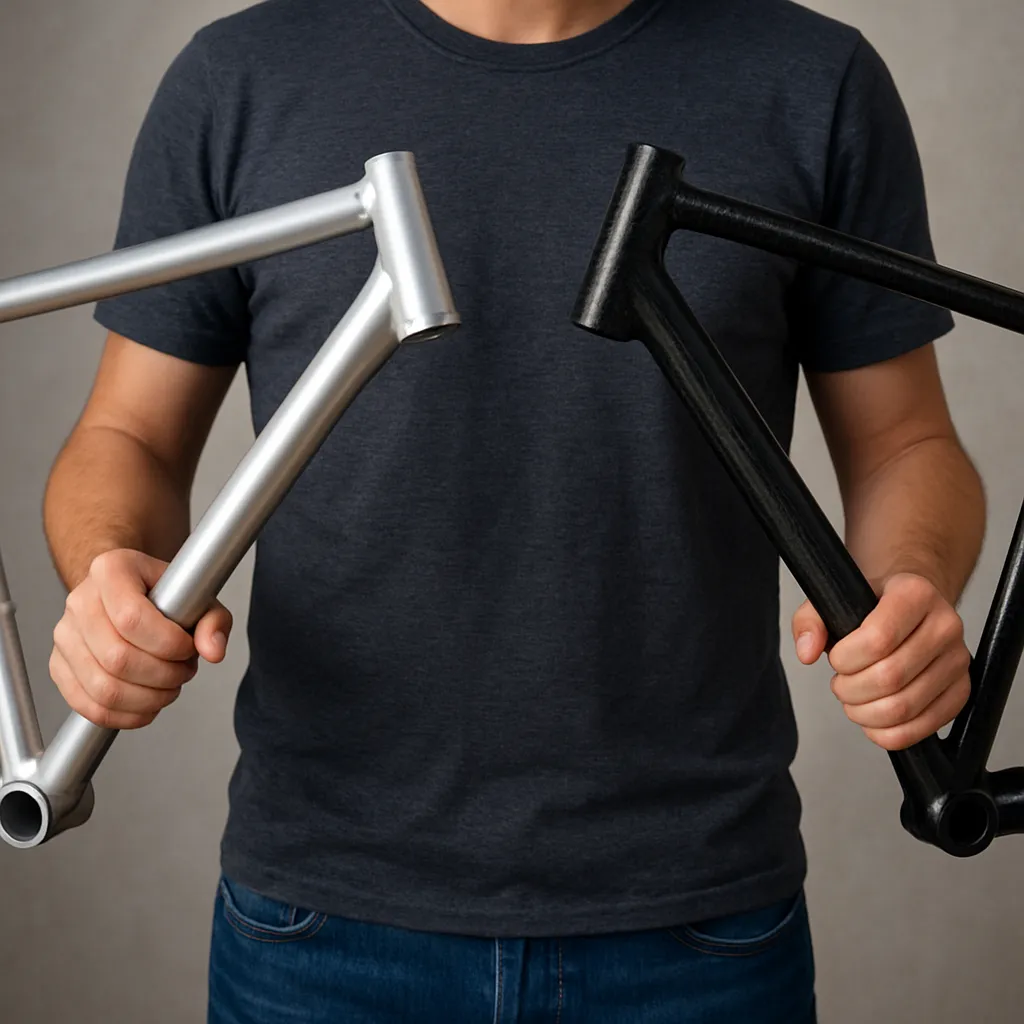
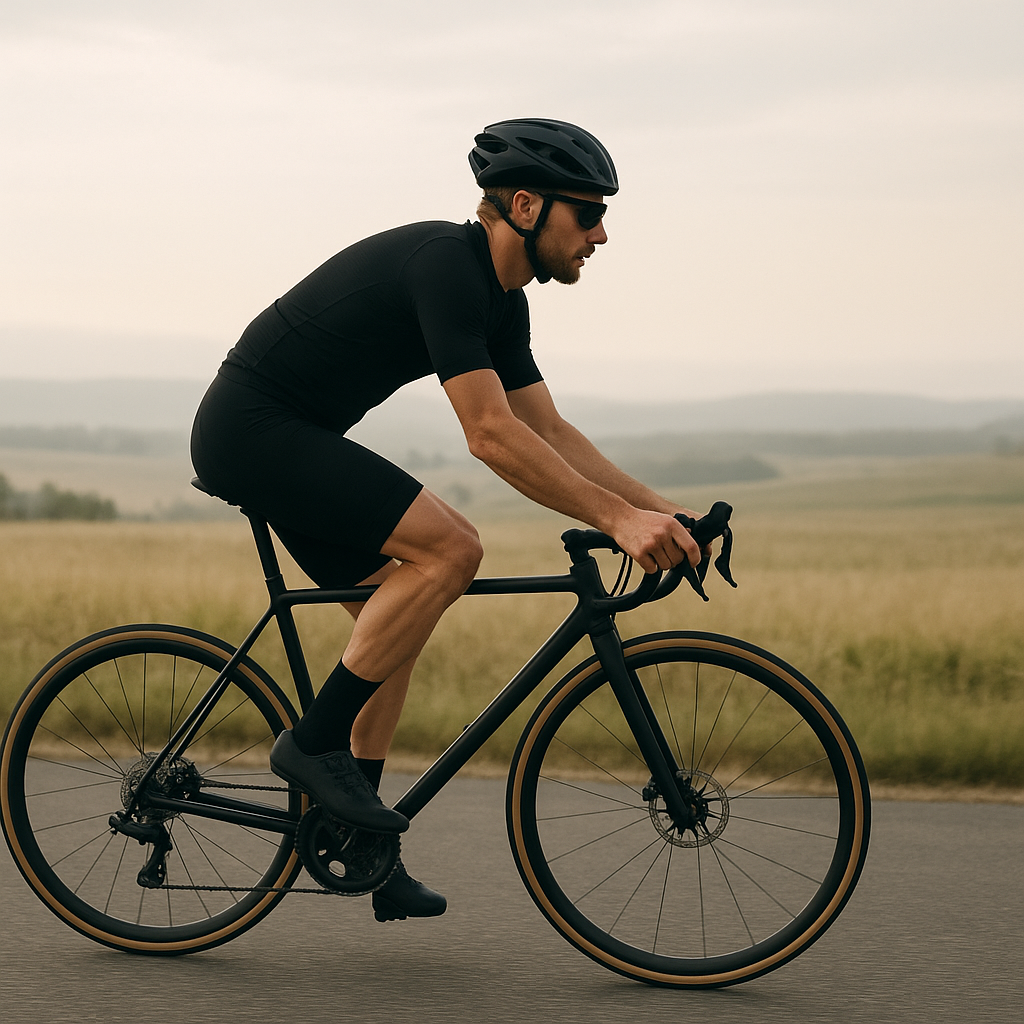
Selecting a bike that embodies minimalist principles starts with frame material and geometry. Aluminum and carbon models weigh less and resist corrosion, while steel frames—though slightly heavier—offer legendary durability and ride comfort. By favoring a design with fewer mounts and accessories, cyclists reduce the temptation to carry unnecessary gear. Prioritize the essentials: a robust frame, reliable brakes and a dependable drivetrain to foster efficiency on every pedal stroke.
Single-Speed vs. Multi-Gear Options
- Single-Speed Bikes: With no derailleur or shifters, maintenance demands plummet. Ideal for urban commutes or compact touring, these bikes emphasize pure effort and straightforward mechanics.
- Fixed-Gear Rigs: Engaging the rider in constant cadence, fixed-gear setups sharpen pedaling technique. The absence of coasting fosters a constant sense of involvement and mindfulness in motion.
- Multi-Gear Minimalists: For varied terrain, a pared-down 1x drivetrain (one front chainring) offers both simplicity and a wide gear range. You gain climbing ability without the bulk of a front derailleur.
Kit Reduction and Strategic Packing
Assessing the Essentials
Minimalist cyclists learn to distinguish between “needs” and “nice-to-haves.” Begin by selecting multipurpose clothing fabrics that wick moisture, dry rapidly and pack down to a fraction of their size. A lightweight jacket doubles as a windbreaker and a rain shell; a single pair of convertible gloves can serve as both winter liners and fall wind blocks. By focusing on creativity in your kit choices, you minimize bulk without sacrificing comfort.
Multi-Purpose Equipment
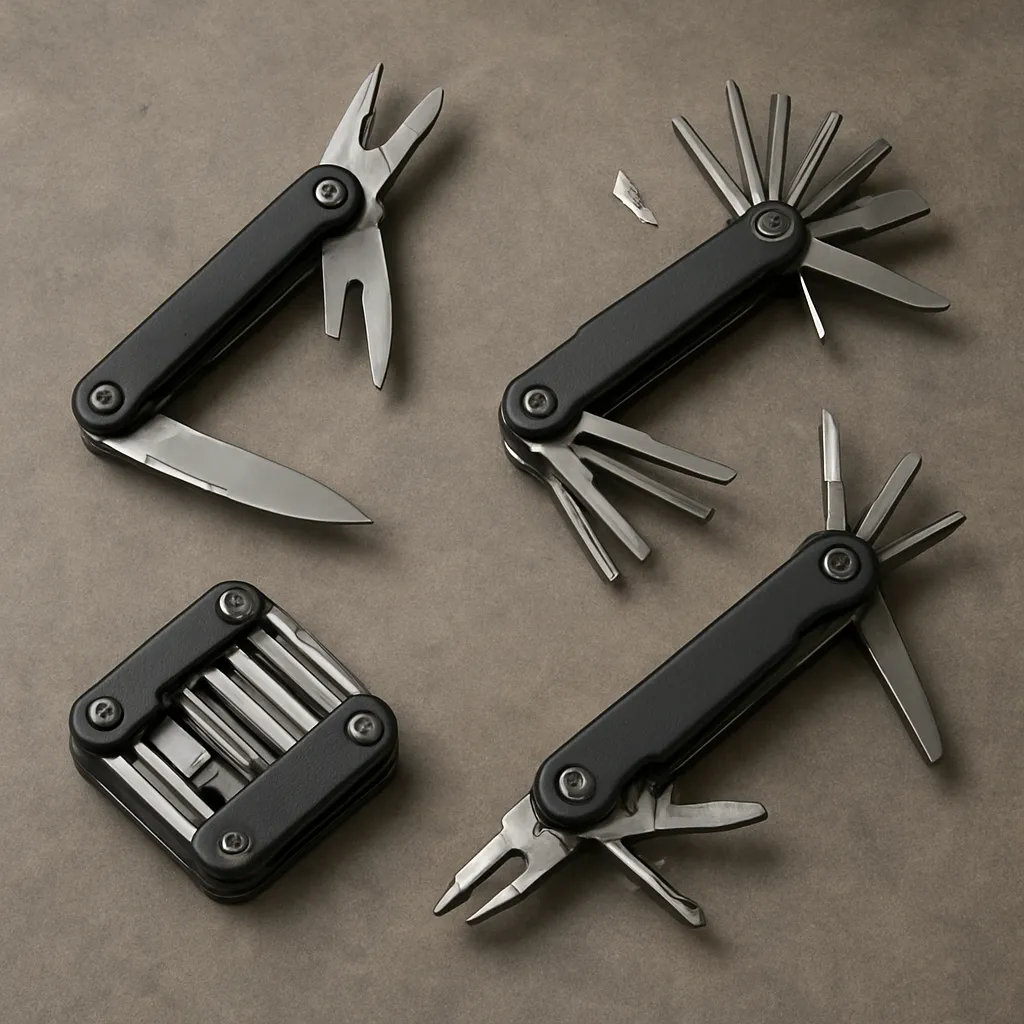
- Smart Tools: A compact multi-tool with tire levers, screwdrivers and a chain breaker replaces bulky wrenches.
- Inflation Essentials: A CO₂ inflator head paired with a small cartridge and a minimal pump keeps you rolling with minimal weight.
- Hydration and Fuel: One collapsible water bottle or a light hydration bladder can serve both drinking and emergency cooling functions.
- Shelter Solutions: Instead of a full tent, consider a bivvy sack or a lightweight tarp. These options sacrifice some privacy for astounding weight savings.
Enhancing the Riding Experience
Developing Mindful Cycling Habits
Cycling with less gear naturally heightens your awareness of wind, terrain and body signals. You learn to anticipate shifts in weather and road conditions, choosing the best line and adjusting your effort to conserve energy. This approach fosters mindfulness—each ascent and descent becomes a calculated dance between rider and route. Over time, cyclists report an increased sense of freedom as they shed the anxiety of carrying excessive supplies.
Navigating Unpaved and Remote Routes
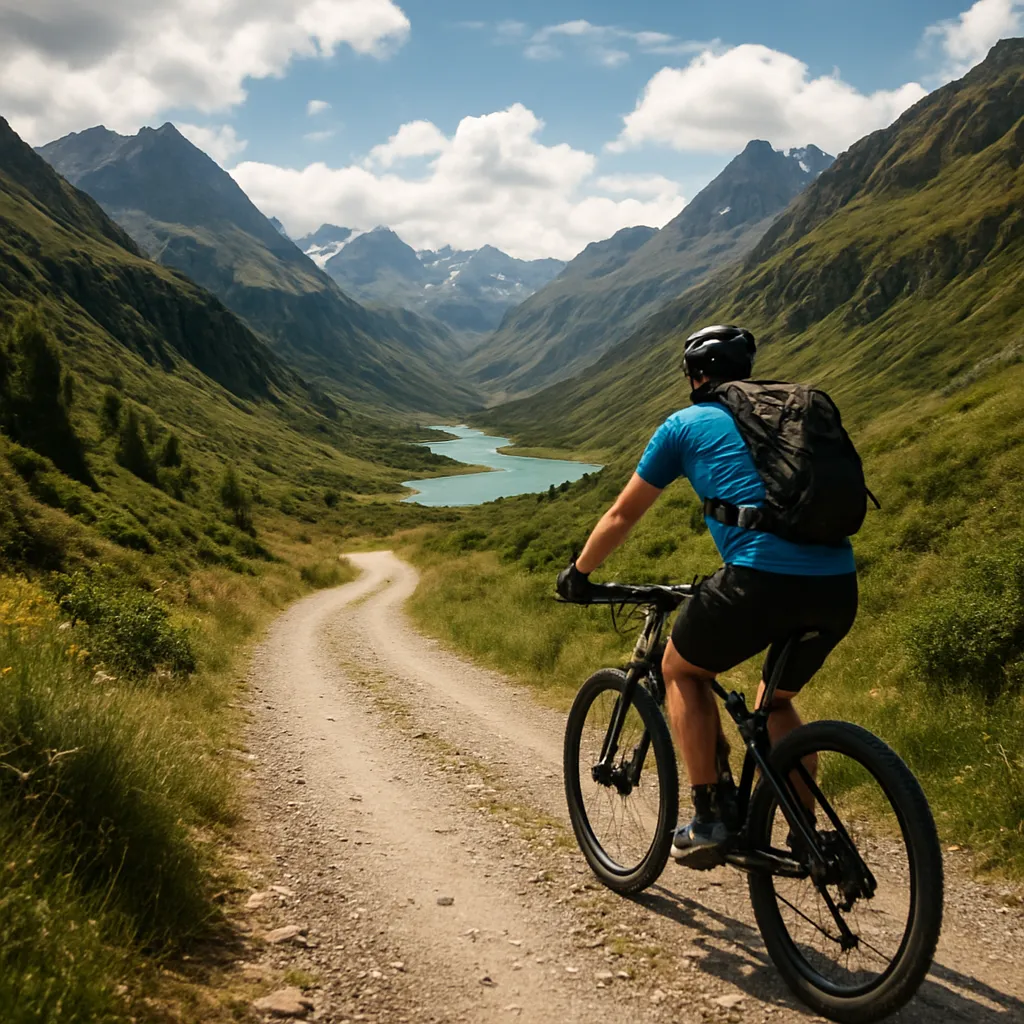
Minimalist touring often leads to gravel byways and singletrack stretches. Without the crutch of bulky gear, you develop resilience and self-reliance. Simple navigation tools—paper maps, compass and a basic GPS device—prove adequate when paired with strong route-planning skills. Embrace the unknown: trust your instincts, remain flexible and relish the adventure that unfolds when you can’t rely on every modern convenience.
Building a Minimalist Cycling Lifestyle
Community and Shared Knowledge
Joining like-minded riders amplifies the benefits of minimalism. Online forums and local bike collectives often share lists of foolproof gear setups, route suggestions and repair hacks. Collective wisdom encourages you to experiment, then fine-tune your kit until only the most indispensable items occupy your panniers. Engaging with a community fosters a sense of sustainability—rejecting consumerist impulses and extending the lifecycle of quality gear through careful maintenance.
Adopting Sustainable Practices
- Repair Over Replace: Learn basic bike mechanics. Fix flats with reusable patches and reshore worn cables yourself, reducing waste.
- Secondhand Gear: Hunt for pre-loved components and apparel. High-quality items often outlast trendy alternatives and carry a lighter environmental footprint.
- Local Sourcing: Support small shops and artisans who repair, upcycle or craft bespoke accessories. This closes the loop on fast fashion and encourages simplicity in production.
Expanding Your Minimalist Horizons
Bikepacking Epiphanies
When you hit the trail with minimal baggage, unexpected discoveries arise. One lightweight sleeping quilt may replace a heavy down bag, while a free-standing stove could be swapped for a wood-burning alternative. Each choice underscores your growing ingenuity and adaptability. The journey shifts from gear-dependent to memory-driven, fueling a passion for exploring lesser-known roads and remote landscapes.
Future-Proofing Your Approach
Minimalist cycling isn’t a static checklist; it’s a mindset in motion. As technology evolves, stay curious about innovations that streamline your setup without sacrificing reliability. Perhaps ultra-durable tires will replace tubes entirely, or solar-powered lights will eliminate battery swaps. By valuing innovation and critical evaluation, you maintain a lean kit that grows more efficient with each season.
Ultimately, true freedom on two wheels comes from trusting yourself more than your equipment. The path forward is not defined by the size of your panniers but by the richness of experiences earned with each pedal stroke.