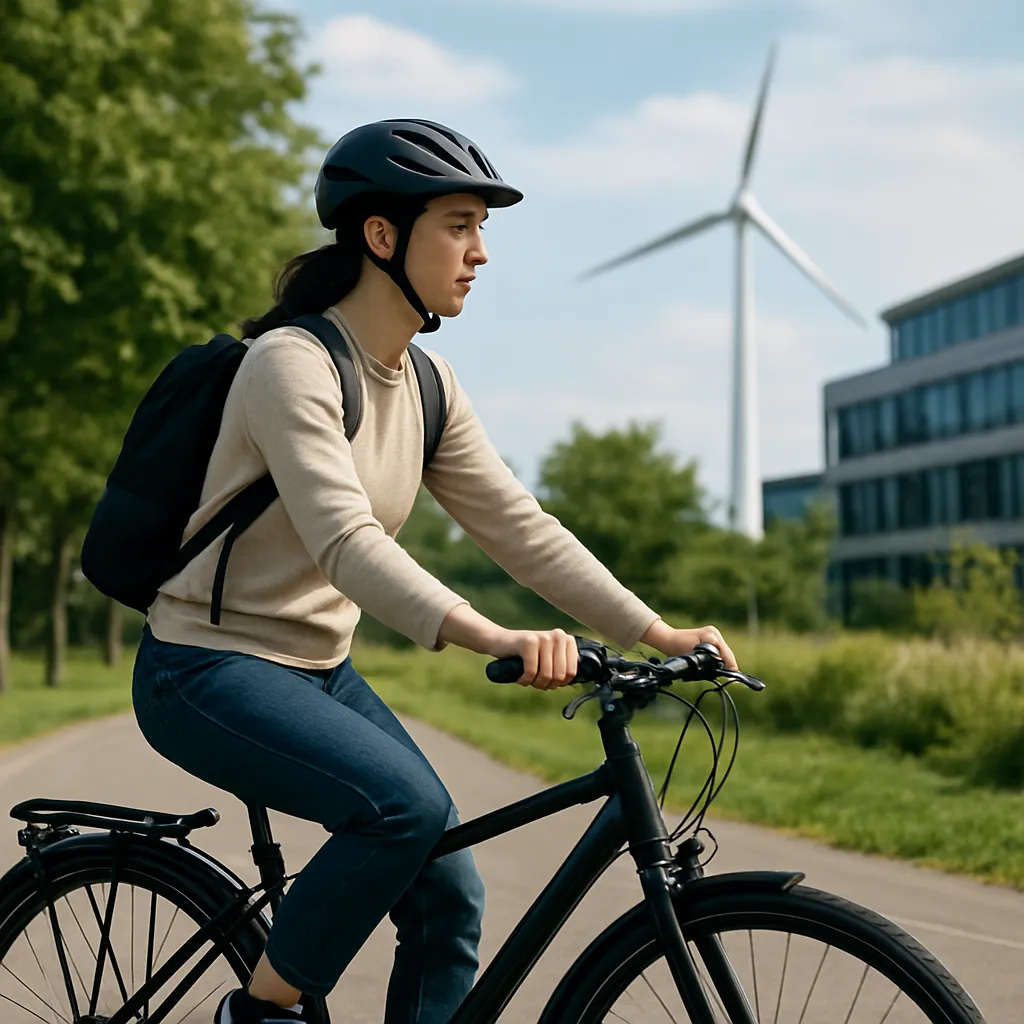
Cycling transcends mere transportation; it embodies a powerful fusion of mobility and environmental responsibility. As climate concerns intensify, riders worldwide leverage their passion for two wheels to foster change and drive conversations about urban design, public health, and environmental resilience. This article dives into how cycling intersects with climate change activism, spotlighting the roles of individual riders, community groups, policy advocates, and urban planners in shaping a greener future.
Empowering Communities through Cycling Advocacy
The bicycle remains an emblem of empowerment for communities seeking healthier, more equitable streets. Across cities and towns, local cycling groups organize workshops, repair clinics, and safety campaigns to lower barriers to entry. By introducing new cyclists to skills like proper gear maintenance, route planning, and urban navigation, these grassroots organizations cultivate a sense of ownership over public spaces.
Local Repair Clinics and Skill-Building
Repair clinics offer hands-on instruction that goes beyond simple maintenance. Volunteers teach participants how to troubleshoot mechanical issues, choose eco-friendly lubricants, and repurpose old parts—practices that reduce waste and extend a bicycle’s lifespan. Such events reinforce the value of self-reliance and highlight the links between individual actions and broader environmental goals.
Key Benefits:
- Enhanced mechanical skills among new cyclists
- Community bonding and shared responsibility
- Reduction of single-use parts and local waste
Through strategic advocacy, cycling groups petition local governments for protected bike lanes and traffic calming measures. Their success stories underscore the importance of collaboration between citizens, non-profits, and city planners in co-creating more inclusive urban environments.
Reducing Carbon Footprint on Two Wheels
Switching from car to bicycle for daily commutes directly cuts down on carbon emissions. A typical passenger vehicle emits roughly 404 grams of CO2 per mile driven, whereas a cyclist’s carbon output is virtually negligible. Even when accounting for additional calories burned, the net environmental impact of cycling remains dramatically lower.
Electric Bicycles and Extended Reach
Electric bicycles expand cycling’s appeal by aiding riders over longer distances and challenging terrain. E-bikes combine human effort with battery-powered motors, reducing physical strain while preserving low emissions. As battery technology continues to improve, the sector experiences a wave of innovation in higher-capacity cells and faster charging times.
Strategies for Lower Emissions:
- Encouraging e-bike subsidies and tax incentives
- Promoting cargo bikes for last-mile deliveries
- Integrating shared e-bike fleets into public transport networks
By choosing two wheels over four, individuals can participate in collective carbon reduction efforts. Workplace bike-share programs and employer-sponsored incentives amplify this effect, driving down the overall environmental footprint of daily travel.
Policy and Infrastructure for Sustainable Urban Mobility
Robust infrastructure is the backbone of any successful cycling network. Separated lanes, traffic signals timed for lower speeds, and ample bike parking stations all signal a municipality’s commitment to sustainable transport. Effective policy measures often start with comprehensive cycling master plans that integrate community feedback, safety data, and long-term climate goals.
Zoning and Urban Design
Smart zoning regulations can cluster residential, commercial, and recreational spaces to minimize travel distances. Designs that prioritize mixed-use development encourage more residents to opt for cycling, walking, or public transit. Meanwhile, traffic-calming techniques—such as raised crossings and chicanes—reduce vehicle speeds in high-cyclist zones.
Policy Highlights:
- Complete streets ordinances ensuring safe passage for all users
- Parking maximums to discourage automobile dependency
- Green corridors linking parks, schools, and workplaces
When policymakers align transport budgets with climate targets, local governments witness a multiplier effect: healthier residents, lower healthcare expenditures, and a more resilient urban fabric prepared for future climate challenges.
The Role of Cyclists in Climate Change Movements
Cyclists often serve as visible champions of environmental causes. From organized activism events—like critical mass rides—to targeted campaigns against fossil fuel subsidies, riders draw public attention to the urgent need for climate action. Their collective presence on city streets symbolizes solidarity with broader social justice movements that connect environmental health to human well-being.
Mass Rides and Public Demonstrations
Mass rides mobilize hundreds, sometimes thousands, of cyclists to traverse urban centers in peaceful procession. These events magnify calls for safer streets and cleaner air. Participants may dress in thematic costumes, carry banners, or tune bicycles with colorful art installations, creating a moving canvas that captures media headlines and sparks dialogue among onlookers.
Impact Metrics:
- Increased media coverage of cycling-friendly policies
- Public surveys indicating higher support for bike infrastructure
- Direct meetings with city officials following petitions
In other instances, cycling advocates partner with environmental NGOs to lobby for carbon pricing, renewable energy transitions, and sustainable agricultural practices. Their alliances reinforce the understanding that fighting climate change requires multi-sector collaboration.
At its heart, cycling is more than an eco-friendly hobby—it is a dynamic force for social and political transformation. By weaving together personal choices, community engagement, policy reform, and visible activism, cyclists demonstrate how everyday mobility can challenge the status quo. As cities confront the reality of rising temperatures, extreme weather, and constrained resources, the humble bicycle stands ready as a symbol of resilience, solidarity, and collective stewardship over our planet’s future.