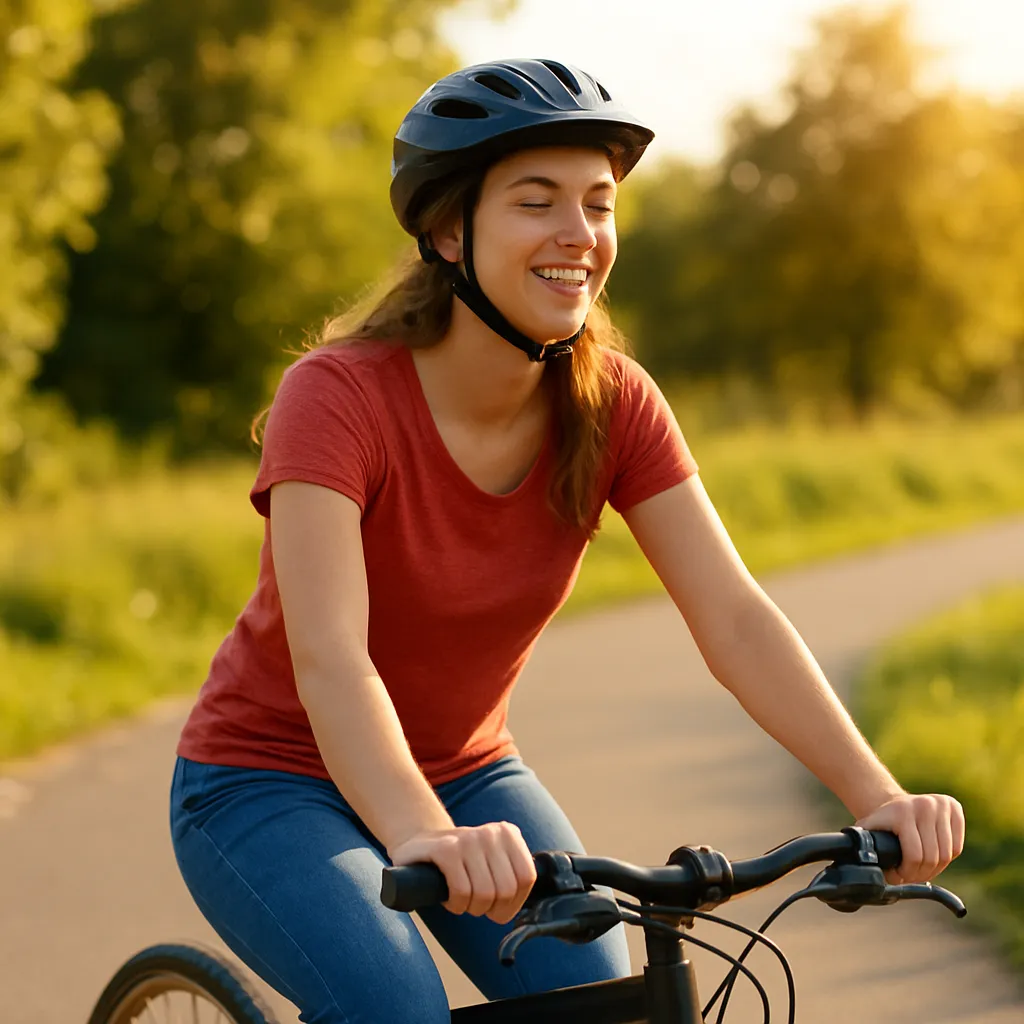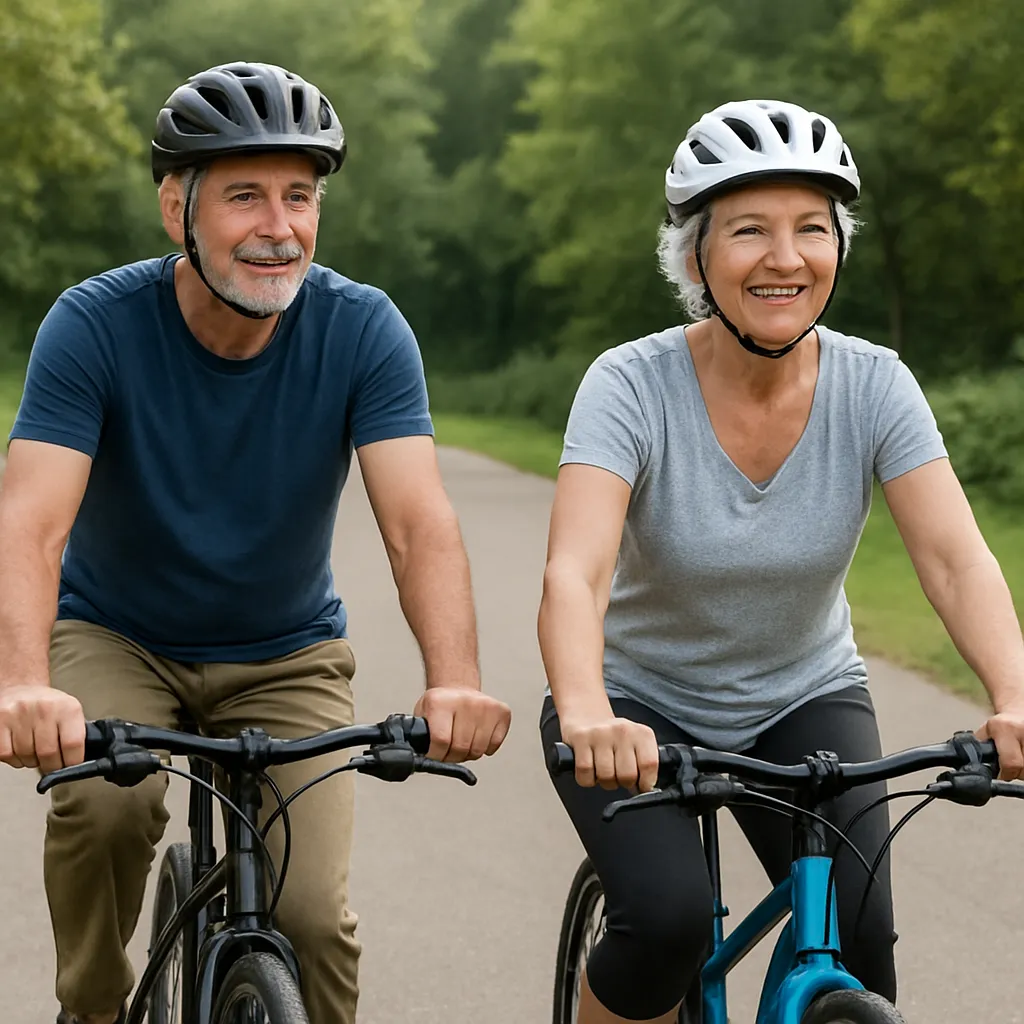
Embarking on a cycling journey after 50 can be both rewarding and empowering. Whether you aim to boost your health or explore scenic country lanes, two wheels offer a path to renewed strength and lasting joy. With thoughtful planning and proper gear, beginners over 50 can enjoy every pedal stroke and reap the benefits of improved cardiovascular fitness, mental clarity, and social connection.
Choosing the Right Bike
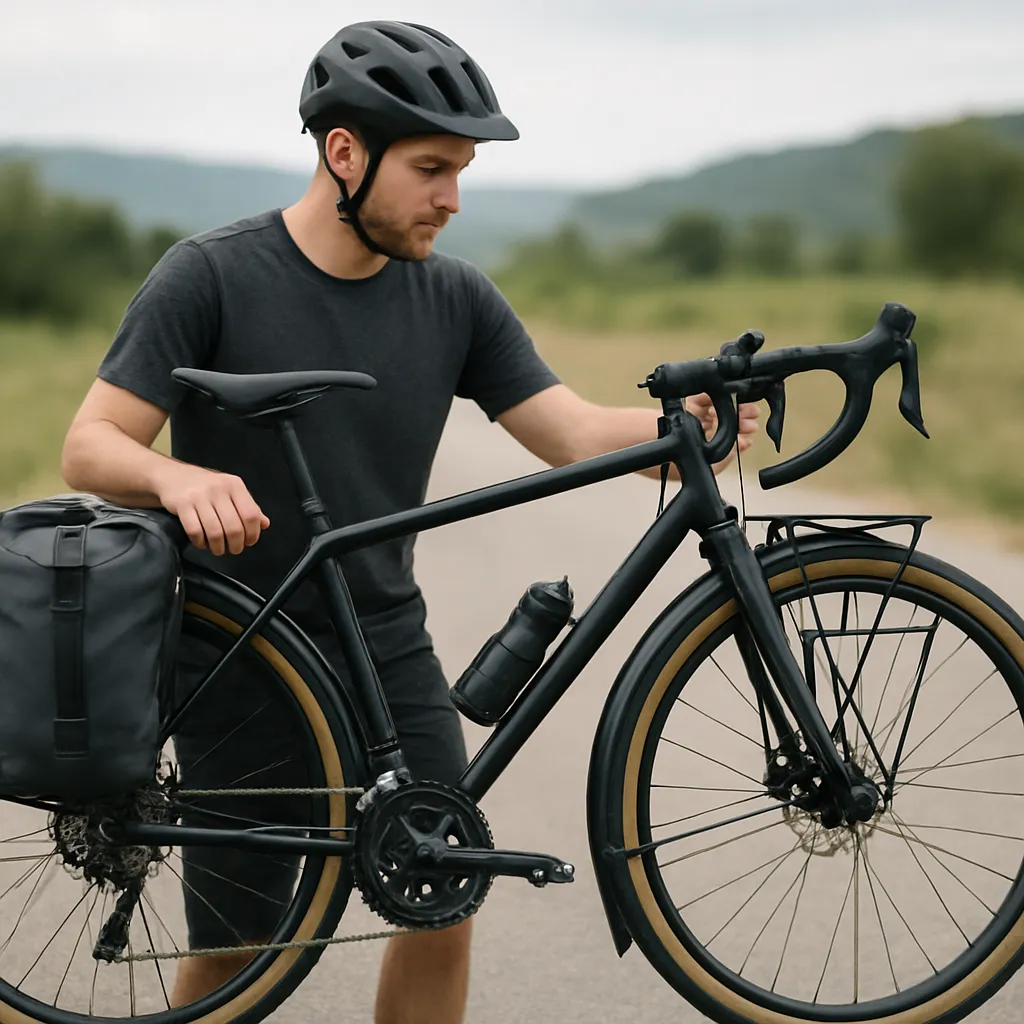
Selecting a bike that suits your body and riding goals is the first step toward success. Consider models designed for comfort and ease of use. Hybrid bikes combine features of road and mountain bikes, offering upright posture and stable handling—ideal for smooth pavement and light trail use. Comfort bikes feature relaxed geometry, plush saddles, and wide tires for added shock absorption.
Frame and Fit
An ill-fitting bike can lead to discomfort or injury. Visit a local bike shop for a professional fitting. Key adjustments include saddle height, handlebar reach, and stem angle. Your leg should be almost fully extended at the bottom of each pedal stroke, with a slight knee bend. A correct fit promotes efficient pedaling and reduces strain on joints.
Considering an E-Bike
Electric bicycles provide pedal-assisted power, making climbs and long rides more manageable. E-bikes can enhance your confidence as you tackle hills or extend your range without overexertion. Battery range varies—most models offer 30–70 miles per charge. Test-ride several options and factor in weight, motor position, and charging time before deciding.
Essential Gear and Apparel
Proper equipment ensures a safe and enjoyable ride. Focus on items that enhance comfort, visibility, and performance.
- Helmet: Choose a well-ventilated, certified helmet. Replace it after any significant impact.
- Gloves: Padded gloves protect your hands from vibration and offer better grip.
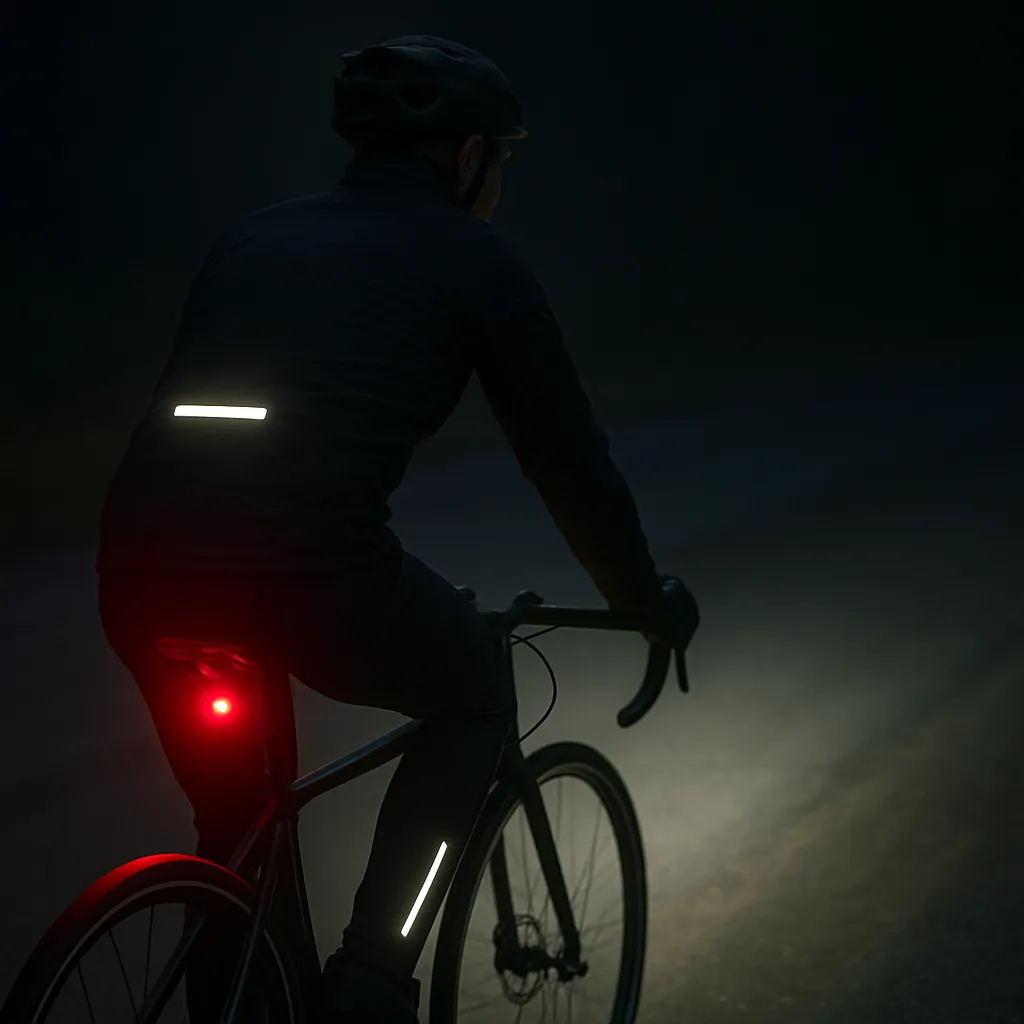
- High-visibility clothing: Bright colors and reflective strips improve road presence.
- Bike lights: Front white lights and rear red lights are crucial for dawn, dusk, or shaded routes.
- Pedals and shoes: Clip-in shoes boost pedaling efficiency, while flat pedals allow quick foot release.
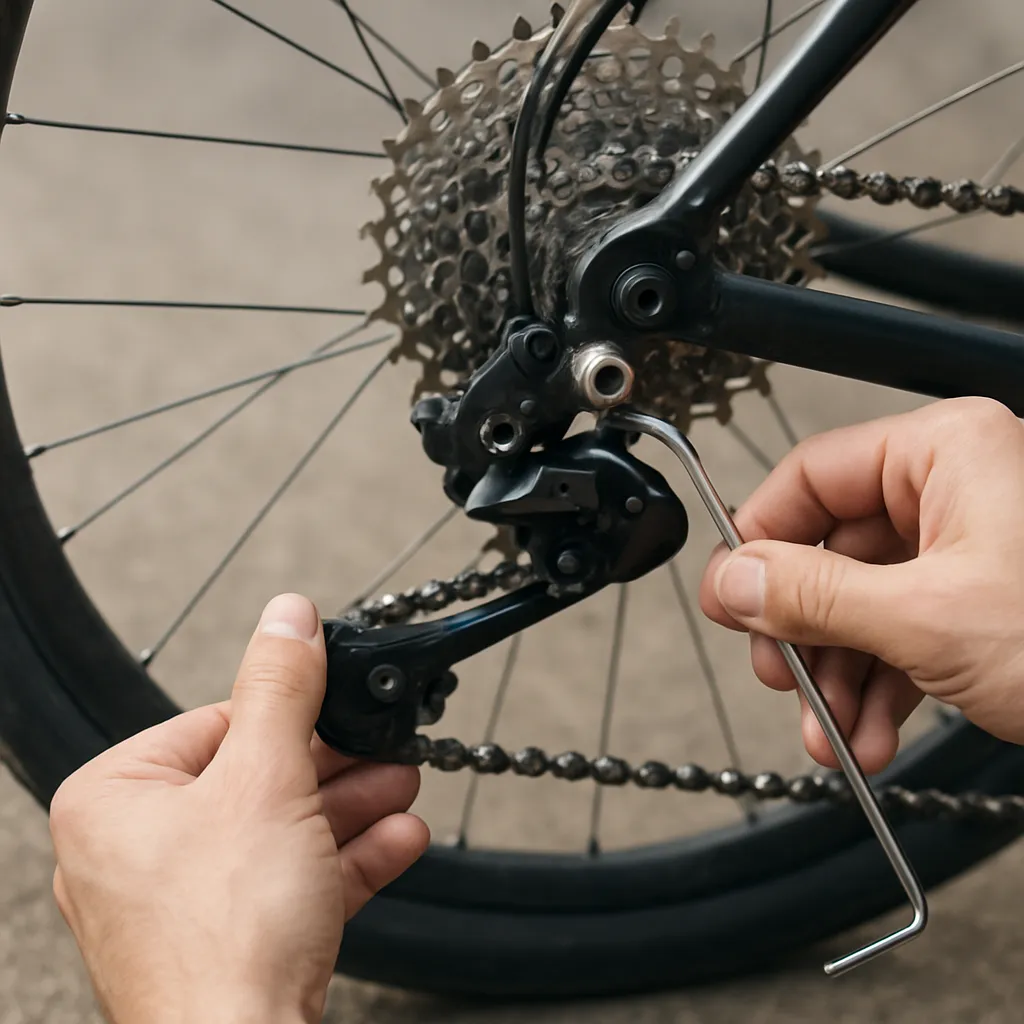
- Basic toolkit: Include a mini-pump, tire levers, spare tubes, a multi-tool, and chain lube for on-the-go maintenance.
Building Skills and Confidence
Even seasoned athletes can benefit from revisiting basic techniques. Beginners should practice in a traffic-free environment, such as an empty parking lot or quiet cul-de-sac.
Balance and Handling
Simple drills help reinforce your center of gravity and bike control. Try riding slowly while focusing on a point ahead, then look down at your wheels to observe body adjustments. Practice gentle turns and figure-eights to hone steering precision.
Braking and Shifting
Learn to use both front and rear brakes smoothly to avoid skidding. Feather your brakes before sharp corners. When climbing or descending, anticipate shifts to maintain an even cadence. Proper shifting reduces knee strain and improves endurance.
Safety and Road Awareness
Prioritizing safety fosters peace of mind and allows you to focus on the ride. Always ride with both hands on the handlebars and scan for hazards—potholes, loose gravel, and parked cars. Observe local traffic laws, signal early, and use hand gestures to communicate with motorists and fellow cyclists.
- Ride single file on narrow roads; two abreast is fine on wide lanes.
- Keep a safe distance from parked cars to avoid “dooring” accidents.
- Eye contact with drivers can prevent misunderstandings.
- Plan quieter routes using bike paths or low-traffic streets.
Training and Progression
Start with short outings of 20–30 minutes at a relaxed pace. Gradually increase duration by 10% per week. Incorporate “rest days” for recovery and to reduce overuse injuries. Cross-training—such as swimming or yoga—enhances overall fitness and helps maintain mobility.
Structured Workouts
Once baseline comfort is achieved, try interval training: alternate 1–2 minutes at a brisk effort with 3–4 minutes of easy pedaling. This approach boosts cardiovascular capacity without long, grueling sessions. Monitor your heart rate or perceived exertion to stay within safe zones.
Nutrition and Hydration
Efficient fueling supports longer rides and aids recovery. Drink water consistently throughout the ride—aim for 500–750 ml per hour in moderate temperatures. For sessions exceeding 60 minutes, include an electrolyte drink or natural sources like coconut water.
- Pre-ride: A balanced meal with complex carbohydrates, lean protein, and healthy fats 2–3 hours before departure.
- During ride: Energy bars, fruit, or gels every 45–60 minutes to replenish glycogen stores.
- Post-ride: Protein-rich snacks (Greek yogurt, nuts) paired with carbohydrates (fruit, whole-grain toast) to accelerate muscle repair.
Finding Routes and Community
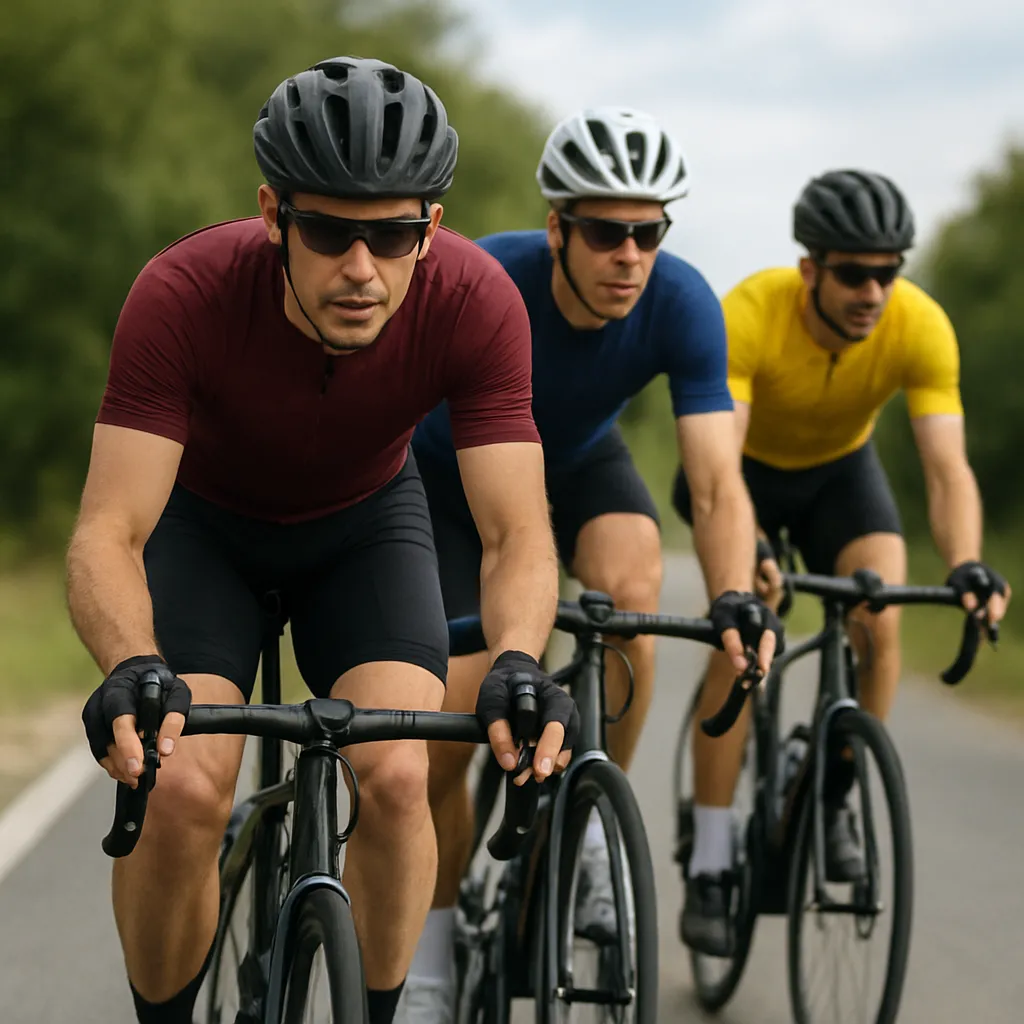
Exploring new terrain keeps cycling exciting. Use apps and online maps to discover paved trails, greenways, and bike-friendly roads. Local cycling clubs or community centers often organize group rides tailored to various paces. Joining a group offers camaraderie, motivation, and shared knowledge on exploration and route safety.
Technology and Tracking
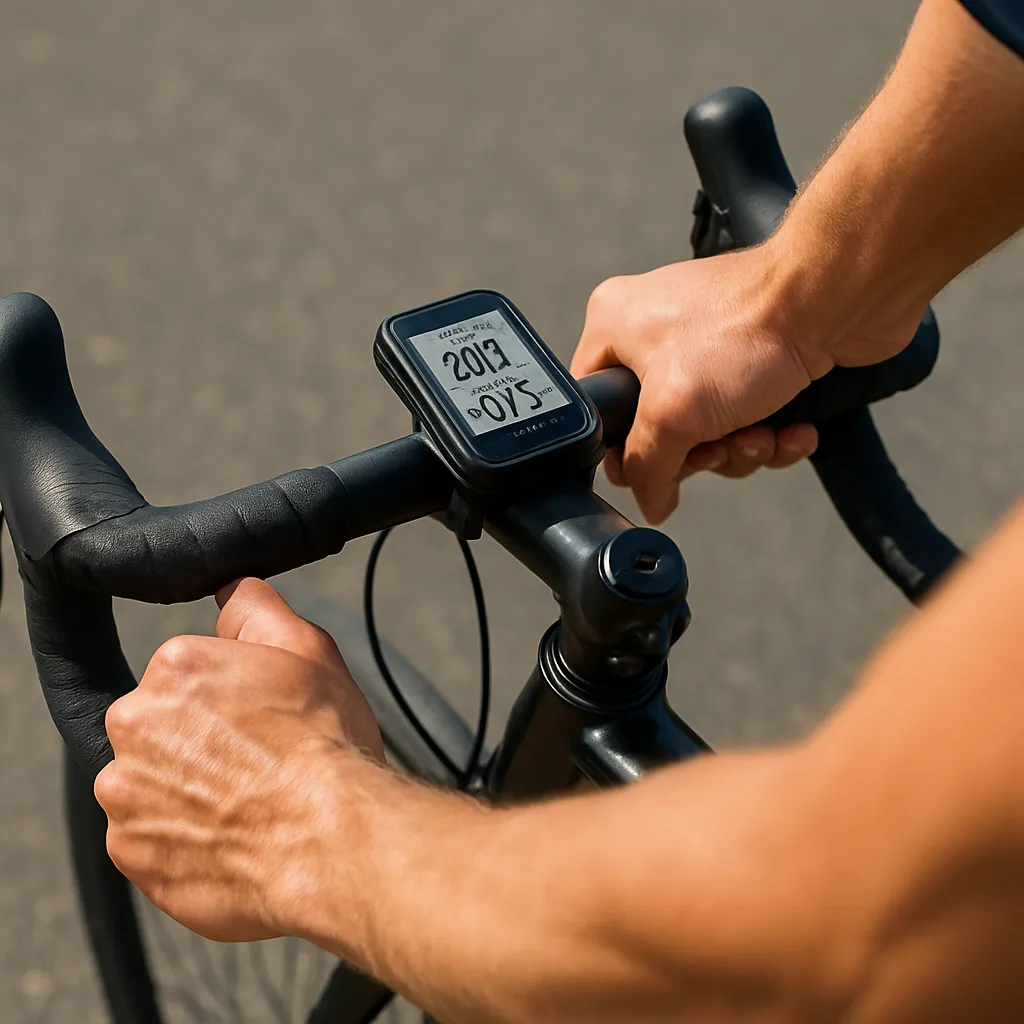
Cycling computers and smartphone apps record distance, speed, elevation, and calories burned. Reviewing your data reveals progress and pinpoints areas for improvement. Social features allow you to share achievements and stay motivated by comparing rides with friends.
Ongoing Bike Maintenance
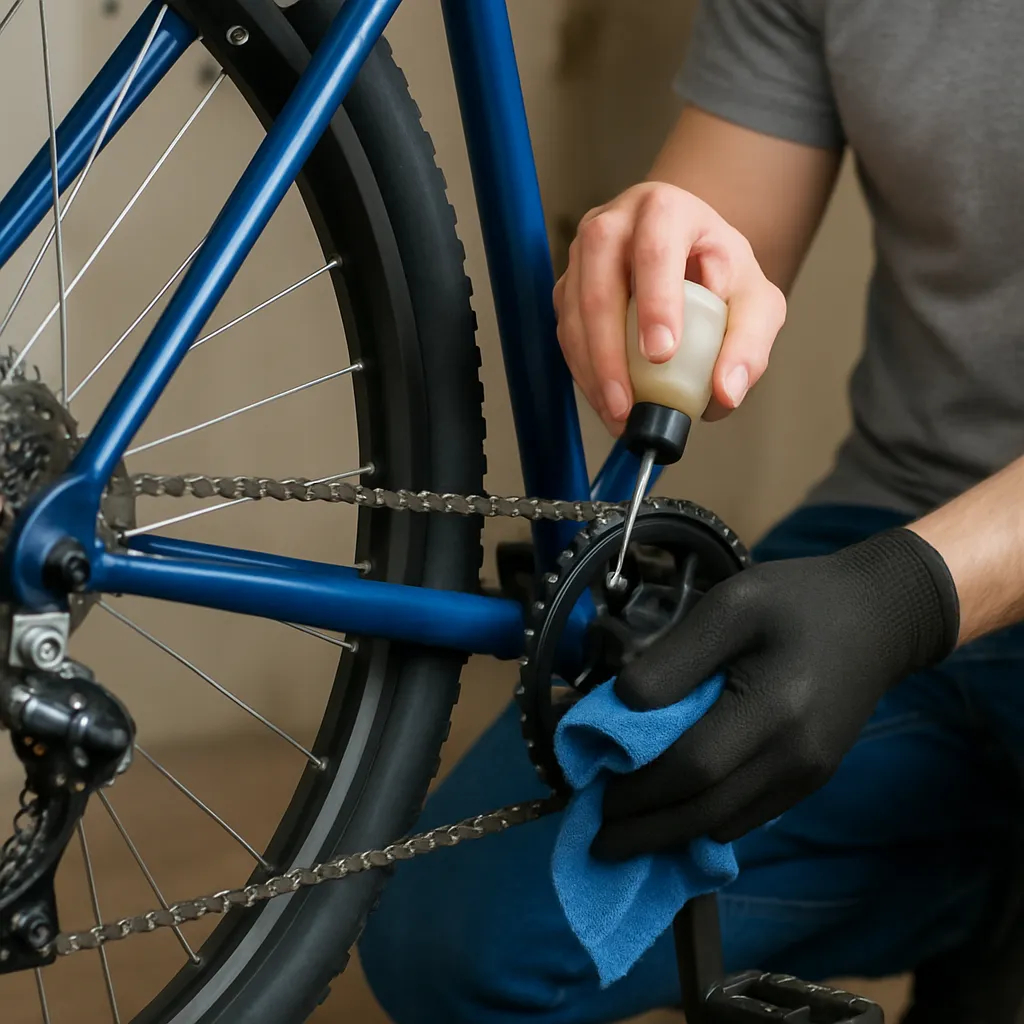
Regular care preserves bike performance and longevity. Inspect tires before each ride for proper inflation and wear. Clean and lubricate the chain every 100 miles or after riding in wet conditions. Check brake pads and cables for signs of deterioration. Annual professional tune-ups address alignment, shifting accuracy, and overall safety.
Embracing Lifelong Benefits
Cycling is more than a hobby; it nurtures physical resilience, mental clarity, and a sense of community. As a cyclist over 50, you demonstrate that age is no barrier to adventure. Each ride builds your stamina—not just in miles covered but in the self-assurance gained through every turn of the crank. Embrace this journey, and you’ll discover that the road ahead is filled with freedom, vitality, and endless possibility.