Cycling after sunset presents unique challenges that extend far beyond simply pedaling in the dark. Proper planning, high-quality gear, and tested techniques can significantly improve both your enjoyment and endurance on night rides. This guide explores how to optimize visibility and maintain safety on two wheels when daylight fades.
Importance of Visibility on Night Rides
When you embark on a nighttime ride, your capacity to see and be seen becomes paramount. Motorists, pedestrians, and fellow cyclists rely on visual cues to anticipate your movements. Without adequate illumination, even a minor obstacle may lead to serious consequences. Cycling in low-light conditions demands attention to detail in both your riding environment and your individual setup.
Understanding Light Dynamics
Light interacts with surfaces in various ways. Urban roads often feature streetlamps with uneven coverage, creating patches of glare and deep shadow. Rural paths may be almost pitch black. Ensuring optimal luminosity from your equipment and recognizing the importance of contrast between obstacles and their surroundings are crucial steps in your pre-ride preparation.
Factors That Diminish Visibility
- Poor weather conditions such as rain, fog, or snow that scatter light.
- Wearing dark or non-reflective clothing blending into the environment.
- Outdated or underpowered lighting systems that fail to adequately illuminate the trail.
- Unmarked hazards like potholes, debris, or wildlife crossings.
Essential Equipment for Enhanced Visibility
Choosing the right gear can transform a risky night ride into a smooth, confidence-boosting journey. Below is a checklist of must-have items to guarantee you’re spotted by others and can see the road ahead without strain.
Lighting Systems
- Lights with adjustable output modes. Opt for a powerful front light with at least 600 lumens for urban environments and 1000+ lumens for off-road trails.
- Rear lights with varying flash patterns to attract attention from multiple angles.
- Helmet-mounted lights to direct illumination exactly where you look.
- Backup lights or headlamps in case main units fail.
Reflective Gear and Accessories
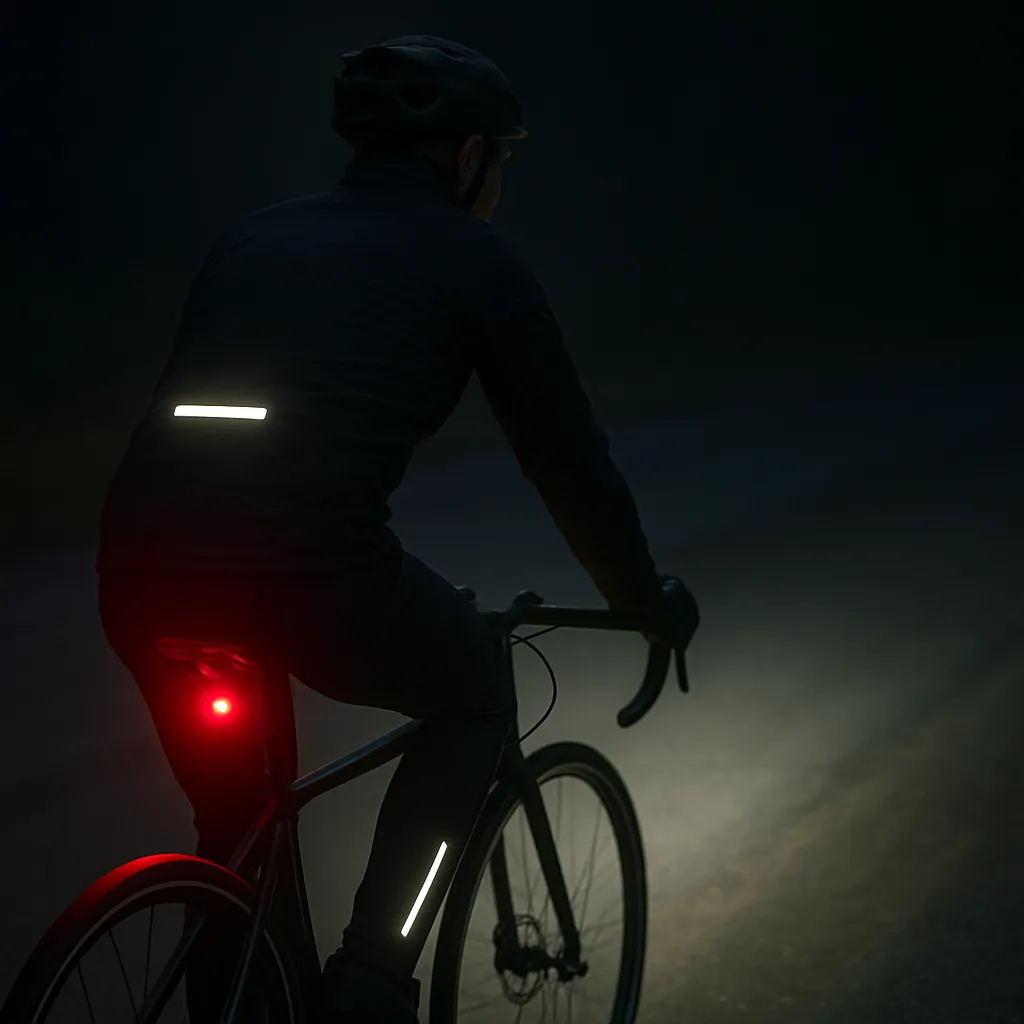
- Reflective stickers on the frame, wheels, and helmet for 360° visibility.
- Reflective clothing such as vests, ankle bands, or jackets with high-contrast patterns.
- Wheel-mounted spoke reflectors and clip-on reflectors for shoes, enhancing side visibility.
Power Management
Efficient night riding requires a reliable power source and sound maintenance habits. Always carry spare batteries or a compact power bank. Many modern lights feature rechargeable units; ensure they are fully charged before departure. Regularly inspect battery contacts to prevent unpredictable power loss on the road.
Practical Riding Techniques and Habits
Great equipment is only the beginning. Adopting specific riding strategies will help you navigate darkness confidently and respond to unexpected hazards.
Route Planning and Familiarization
- Choose well-known routes on your first few night outings, minimizing unknown obstacles.
- Use GPS devices with backlit screens set to night mode, reducing glare while following maps.
- Pre-ride reconnaissance: cycle the route at dusk to identify potential trouble spots in low-visibility.
Steady Riding and Speed Control
Nighttime impressions of speed and distance can be deceptive. Maintain a moderate pace, giving yourself ample time to react to road irregularities. Keep both hands on the handlebars and shift your weight back slightly when approaching steep declines, ensuring your eyes can quickly scan the ground for dangers.
Anticipating and Communicating with Others
Sound signals and clear gestures become more critical in darkness. Use a gentle bell or vocal warning before passing pedestrians or fellow cyclists. When riding in a group, establish a protocol for hand signals that can be seen even at night, such as using your light to highlight direction changes.
Maintaining Peak Condition of Your Gear
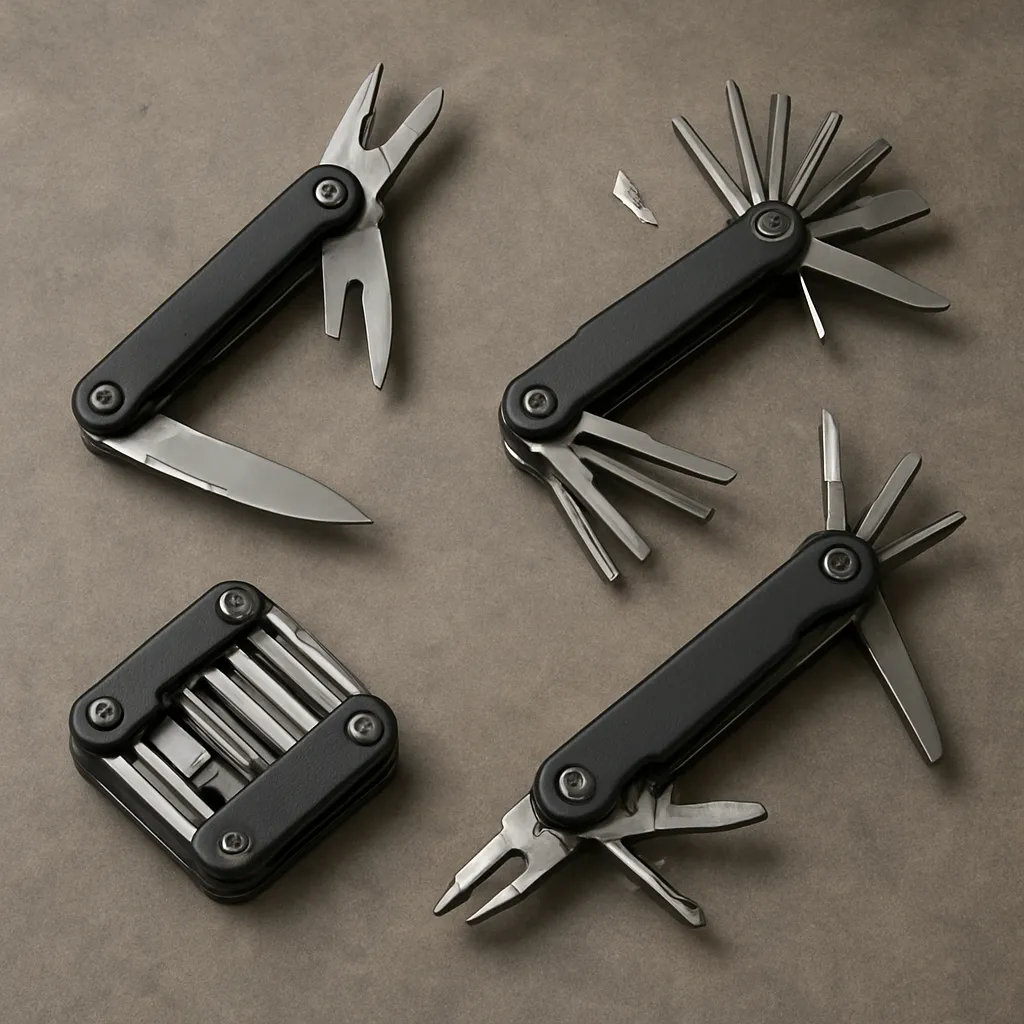
Night gear endures wear and tear faster due to frequent battery changes and exposure to moisture. Make it routine to clean lenses, tighten mountings, and check for cracks or water ingress. A small toolkit with zip ties, multi-tool, and spare bulbs will be invaluable for on-the-go fixes. Strong maintenance habits ensure your lighting system never fails when it matters most.
Boosting Contrast and Recognition
Enhancing your visual profile on the road involves more than brightness. Increase contrast by combining light-colored base layers with dark accents. On unlit trails, focus your beam to highlight the path edges and maintain a clear corridor of visibility. Remember that other road users might misjudge your speed under low-light conditions—allow additional following distance and prevent sudden maneuvers.
Emergency Preparedness
- Carry a basic first-aid kit and a reflective emergency blanket for roadside mishaps.
- Equip your phone with an emergency contact app and activate location-sharing features.
- Inform a friend or family member of your planned route and expected return time.
Advanced Tips for Seasoned Night Cyclists
Once you’ve mastered the basics, incorporate these advanced strategies to take your nocturnal riding to the next level:
Custom Light Mounting and Beam Shaping
Specialized mountings allow you to aim lights precisely, avoiding blinding oncoming traffic while optimizing illumination of the trail. Consider diffusers to widen the beam or lens filters to reduce glare from wet surfaces.
High-Visibility Group Cycling
For group rides, coordinate light colors and flash patterns. Assign each rider a unique color or pattern to maintain formation. This practice also helps spot individuals if someone falls behind or takes an unexpected turn.
Nighttime Skills Training
Practice emergency stops and obstacle avoidance drills under controlled conditions. Setting up temporary markers in a dark parking lot can help you refine your reaction time and braking techniques without real-world risks.
Reflective Material Innovations
Stay updated on the latest in photoluminescent and retroreflective technologies. Some materials charge under brief daylight exposure and glow for hours, while others reflect vehicle headlights with high efficiency. Upgrading your gear with these advancements can improve safety margins significantly.
Seasonal Considerations
Shorter daylight hours in winter necessitate earlier start times and perhaps layered clothing to combat cold. Foggy conditions in spring and autumn require lower beam settings to prevent light scatter. Adapt your lighting and attire to match seasonal challenges.