Mastering the art of cycling in a group relies heavily on understanding how to ride efficiently behind teammates and rivals. By learning to draft effectively, riders can significantly reduce wind resistance, conserve vital energy, and maintain higher speeds with less effort. This article explores the scientific principles, communication techniques, and practical drills necessary to sharpen group riding skills and build stronger cohesion within a cycling team.
The Physics Behind Effective Drafting
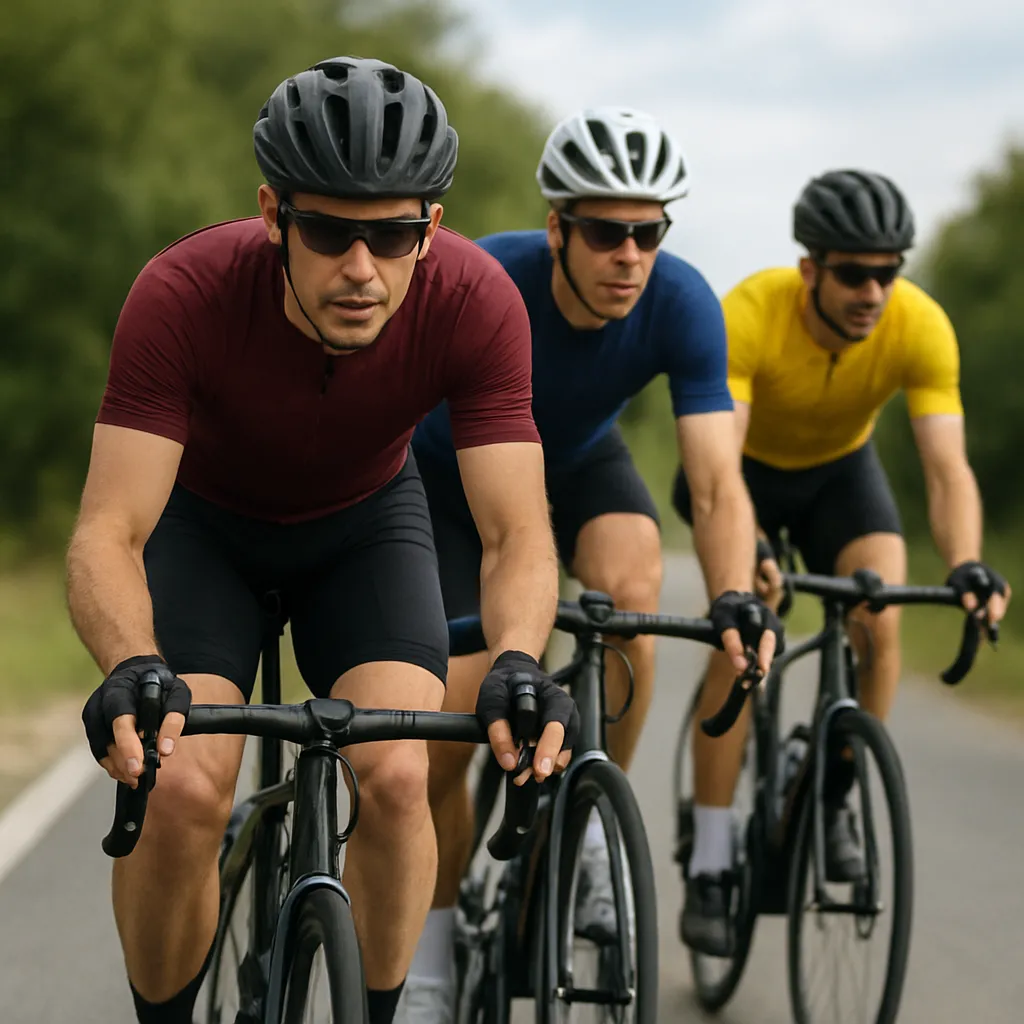
At its core, aerodynamics plays a pivotal role in cycling performance. When a rider moves forward, air crashes into their chest and helmet, creating a zone of high pressure at the front and low pressure at the rear. The lead rider shoulders the brunt of this resistance, while those following can sit in the slipstream—the reduced air pressure pocket formed directly behind. This positioning translates into significant savings in energy conservation, often between 20% and 40% less effort compared to riding solo.
Key factors that influence the physics of drafting include:
- Distance from the wheel ahead: Optimal proximity hovers around 20 to 50 centimeters, balancing aerodynamic gain without risking wheel overlap.
- Speed differential: Higher velocities amplify wind resistance, making drafting even more beneficial during fast-paced sections.
- Environmental conditions: Crosswinds and gusty weather can disrupt the smooth airflow, demanding constant adjustments in line and lean angles.
Understanding these dynamics enables riders to maintain a stable paceline, where each participant takes turns at the front, sharing the workload and shielding teammates from relentless air pressure.
Strategies for Teamwork and Communication
In group rides, teamwork turns individual strength into a collective force. Success hinges on seamless communication and a shared sense of responsibility. Clear signals, verbal cues, and consistent hand gestures allow riders to anticipate surges, obstacles, and position changes without hesitation.
Essential communication techniques:
- Use a light tap on the hip or shoulder to signal your intent to pull off the front.
- Point downwards and communicate “road hazard” by gesturing towards potholes, gravel, or debris.
- Vocalize “taking a turn” or “rotating” early to give time for team members to adjust speed and spacing.
Developing trust within the group also promotes smoother rotation. Each rider must commit to consistent pulls, whether for 20 seconds on a flat section or a full minute on a flat and slightly uphill stretch. The goal is to maintain a steady pace, avoiding sudden accelerations that could fracture the line. Teams that practice pre-ride briefings, discussing planned segments and possible attack points, often exhibit superior coordination under pressure.
Training Drills to Master Paceline Skills
Sharpening drafting prowess requires focused training sessions. Incorporate the following drills into group workouts to build confidence and precision:
- Two-Up Intervals
- Riders form pairs and alternate pulling for 30 seconds at tempo pace, maintaining 5 riders behind in single file.
- After completing a pull, the leader peels off, re-joins at the back, and the next rider takes over seamlessly.
- Bunch Sprint Rotations
- Every 2 minutes, the current front group of four accelerates for 10 seconds, simulating a chase effort.
- Emphasize clean handoffs and constant vigilance for gap closures.
- Close-Quarters Handling
- Practice riding within a few centimeters of the wheel ahead at low speed, focusing on balance and steering precision.
- Increase tempo as confidence grows, reinforcing safe proximity under varied conditions.
Rotating through these drills weekly fosters muscle memory and improves group synergy. Riders learn to anticipate shifts in pace, adapt to crosswinds, and maintain unwavering concentration while saving precious watts.
Equipment Choices and Optimal Positioning
While technique and teamwork lay the foundation, the right gear can enhance efficiency. Aerodynamically designed helmets, snug-fitting jerseys, and deep-section wheels all contribute to lower drag. However, equipment alone cannot compensate for poor form or limited coordination.
Guidelines for choosing and positioning gear:
- Select a helmet with a smooth profile and close fit to your head shape, minimizing turbulent airflow.
- Opt for a jersey crafted from low-drag fabrics that contour your torso without excessive flapping.
- Use wheels with an appropriate rim depth—deeper rims excel in headwinds but can be harder to handle in crosswinds.
Maintaining a consistent body posture is equally important. Keep elbows tucked, shoulders relaxed, and eyes forward. A slight bend in the elbows acts as a natural shock absorber, smoothing out road irregularities. When in the draft position, align your leading elbow just a few centimeters behind the trailing saddle of the rider in front, creating an uninterrupted airflow pathway.
Combine these gear considerations with practiced positioning skills, and your group’s overall pace advantage will become undeniable.