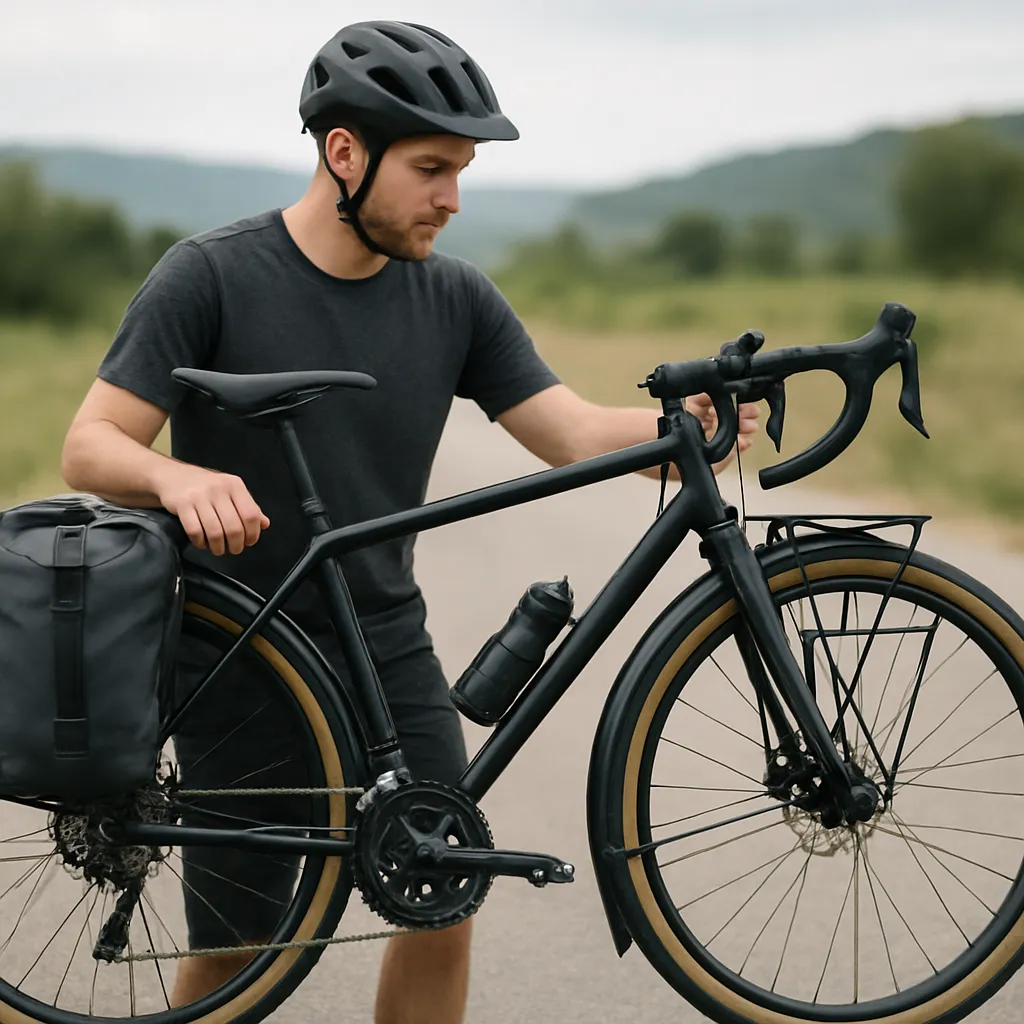
Selecting a reliable bicycle for extended adventures demands careful attention to design, components, and rider needs. This guide explores essential factors to consider when choosing a touring bike for multi-day expeditions. Each section delves into key aspects— from material choices and drivetrain options to riding posture and logistical considerations— to ensure you enjoy a satisfying, safe, and well-prepared journey.
Frame Material and Geometry
Steel vs Aluminium vs Titanium
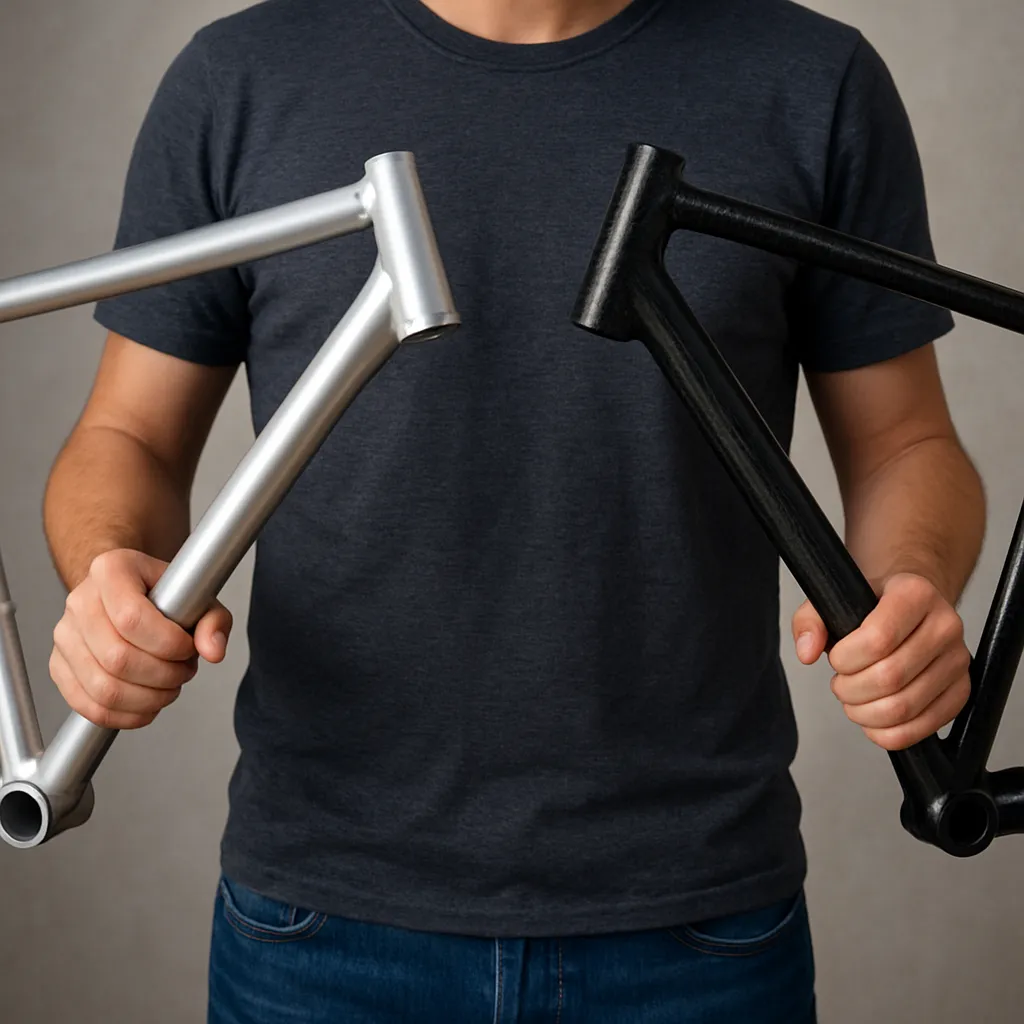
The heart of any bicycle is its structure. When it comes to long-distance touring, many riders favor a steel frame for its forgiving ride quality and exceptional durability. Steel can absorb road vibrations, reducing fatigue over hundreds of miles. High-end aluminium models offer a lighter setup with crisp power transfer, but they can feel harsher on rough surfaces. Titanium frames blend the best of both: a springy ride that resists corrosion, though typically at a premium price. Evaluate each material’s weight, resilience, and cost to match your expedition goals and budget.
Geometry Considerations
Long-distance comfort often hinges on proper geometry. Touring-oriented designs generally feature a longer wheelbase for enhanced stability when carrying gear. A relaxed head tube angle keeps steering predictable under load, while a lower bottom bracket boosts balance on uneven terrain. Prioritize frames that allow adjustable stem heights or come with longer head tubes to fine-tune your posture. Never underestimate the impact of geometry: a well-fitting frame can transform grueling days into enjoyable mileage.
Drivetrain and Gearing
Gear Range
Selecting the right gearing is crucial for conquering varied terrain. A wide-range cassette—for example, 11-32 or even 11-42 teeth—ensures you can power up steep climbs without exhausting yourself. Combine this with a double or triple chainring setup to maximize flexibility. While triples offer the lowest possible gears, modern compact doubles can suffice for riders who prefer simpler shifting and lighter weight. Analyze your route profile: sustained mountain passes demand lower ratios, while flatter tours permit tighter spacing.
Component Choices
Reliability is paramount on remote routes. Shimano’s touring-specific groupsets, such as the Tiagra or GRX series, deliver robust performance and straightforward maintenance. Steel-cage derailleurs handle high mechanical stress better than lighter counterparts. Some cyclists opt for internal hub gears (e.g., Rohloff) to shield the mechanism from dirt and reduce on-the-go adjustments. Weigh the trade-off between ease of maintenance, weight, and shifting precision when choosing your drivetrain.
Comfort and Ergonomics
Handlebars and Riding Positions
Ergonomics profoundly influence endurance. Drop bars remain popular for offering multiple hand positions—useful to shift wrist angles and prevent numbness. Alternately, butterfly or trekking bars allow a more upright stance, reducing lower back strain. Whatever shape you pick, ensure you can mount accessories like lights and GPS units without overcrowding. Test handlebars in varied positions during test rides, and invest in quality bar tape or grips to minimize vibration.
Saddle Selection
Few decisions matter more than choosing a saddle that suits your anatomy. Touring extends saddle time beyond typical rides, so select a model designed for long-distance support. Features like cutouts, flexible shell design, and pressure-relieving foam can make a significant difference. Consider taking a professional saddle fitting to pinpoint your sit bone width. Don’t hesitate to ride several hundred miles on a saddle before committing—swap models early in your training to avoid mid-trip discomfort.
Wheels, Tyres, and Load Carrying
Wheel Size and Build
Touring wheels must bear substantial weight. Strong, double-walled rims paired with 32- or 36-spoke builds offer superior durability under load. The classic 700c size provides efficient rolling and ample tyre options, while 650b wheels allow wider tyres at lower pressure, improving comfort on rough roads. Choose eyeleted rims to simplify future spoke replacement, and opt for high-flange hubs for added toughness.
Tyres and Pressure
Tyres designed for touring typically measure 32mm to 45mm wide. Wider tyres cushion bumps and enhance traction when carrying panniers. Look for puncture-resistant casings and reflective sidewalls for nighttime visibility. Adjust tyre pressure based on load: higher pressure for solo rides, lower for heavily laden setups. Proper inflation reduces pinch flats and prolongs tyre life.
Luggage Racks and Panniers
Luggage management defines the success of a multi-day ride. Front and rear racks should be rated for at least 25kg combined weight. Chromoly steel racks resist bending and breakage. Waterproof panniers or dry bags protect your essentials from rain and dust. Distribute weight evenly: pack heavier items low and central to lower your bike’s center of gravity. Test mounting and dismounting with full loads to confirm that the bike remains agile.
Maintenance and Reliability
Service Intervals
On a long tour, routine upkeep prevents mechanical failures. Establish a maintenance schedule: clean and lubricate the chain every 200–300 miles, inspect spokes and brake pads daily, and check tyre wear weekly. Carry degreaser, chain oil, and cleaning brushes to manage grime accumulation. Familiarize yourself with basic adjustments to derailleur tension and brake cable tension to stay self-sufficient in remote areas.
Spare Parts and Tools
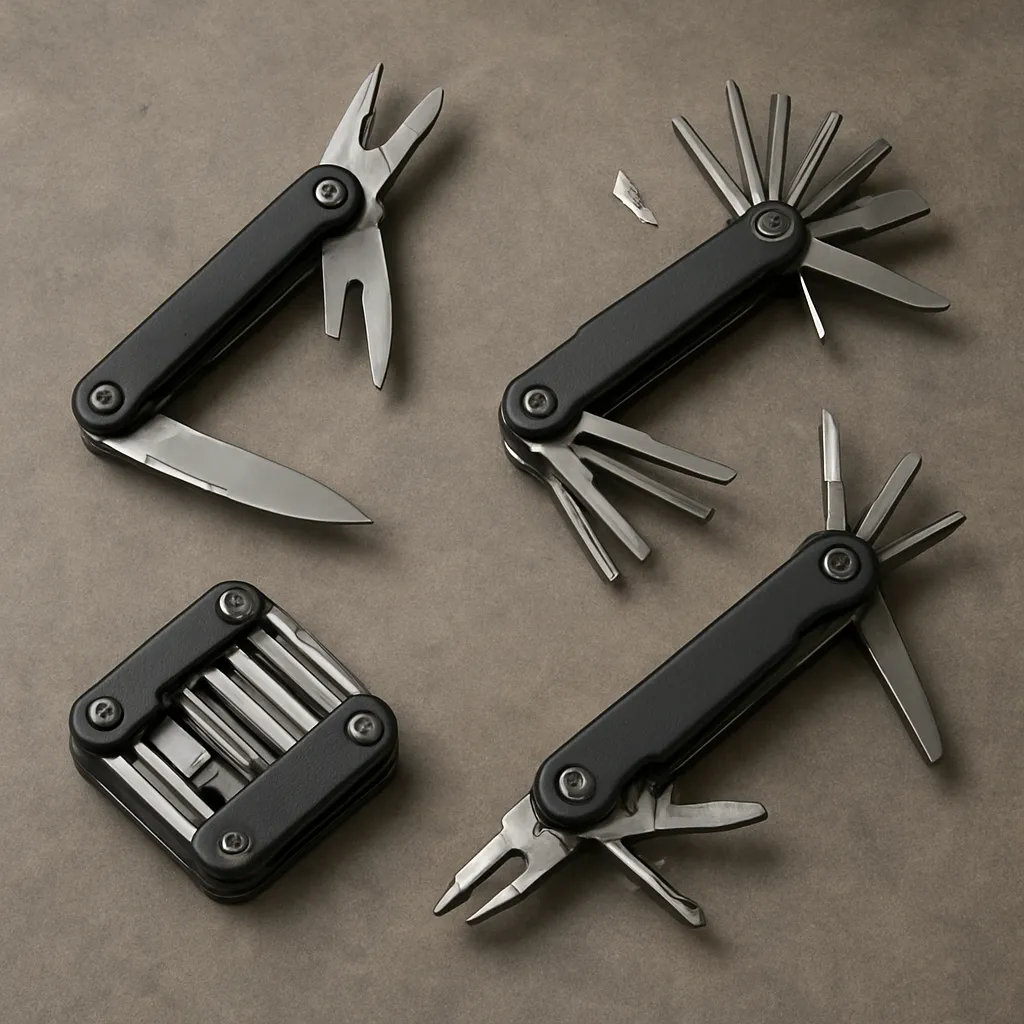
Pack a minimalist toolkit tailored to your bicycle’s components. Essential items include a multi-tool, spare derailleur hanger, extra chain links, patch kits, tyre levers, and a portable pump. If riding in regions with frequent punctures, consider a foldable spare tube or lightweight tyre boot. Label your tools in a dedicated bag, ensuring quick access during roadside repairs. Anticipating potential issues keeps your journey uninterrupted.