Cycling offers an irresistible blend of challenge, discovery, and personal growth. Whether you prefer the solitude of a lone ride or the buzz of a group excursion, each approach brings its own flavor of adventure. Enthusiasts weigh factors such as pace, social interaction, and route complexity before deciding which path to take. This article delves into the merits of going it alone versus joining a pack, highlighting key considerations like gear choices, mental resilience, and the joys of shared experiences.
Benefits of Solo Cycling
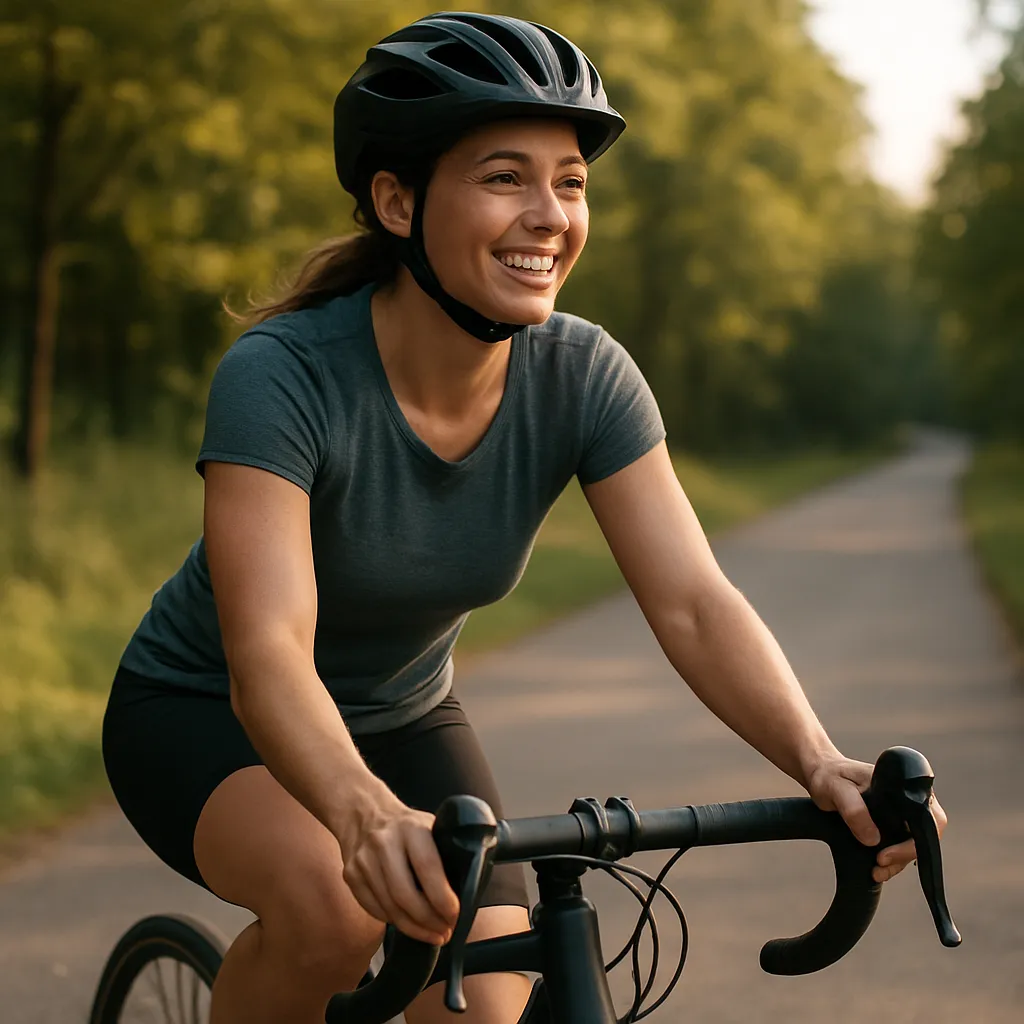
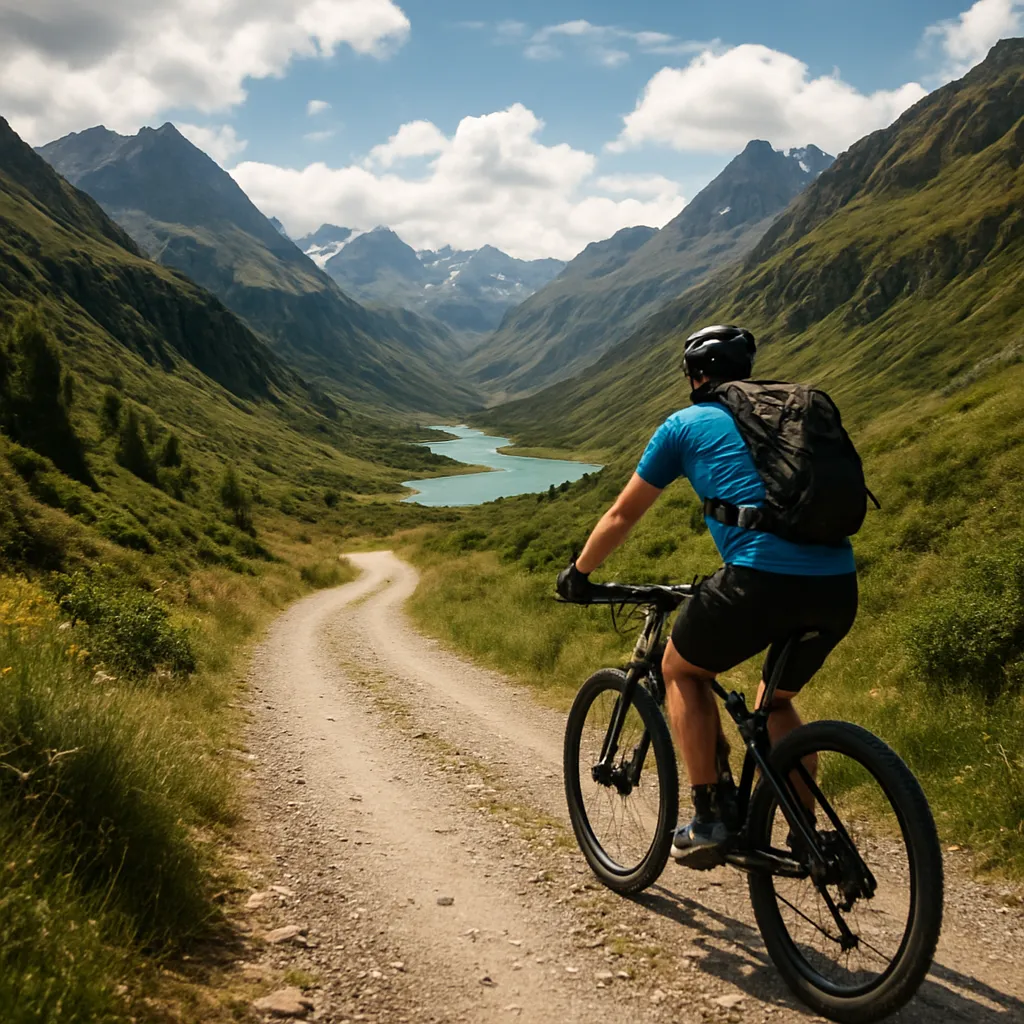
Tackling roads and trails on your own bike cultivates an unparalleled sense of freedom. Without compromises on speed or stops, you can maintain a rhythm that suits your fitness level and emotional state. Solo cycling becomes a form of moving meditation: the steady whir of wheels, crisp air filling your lungs, and the hypnotic flow of pavement beneath your tires sharpen your focus and help clear mental clutter. Riders often report breakthroughs in creativity and problem-solving during long solo sessions.
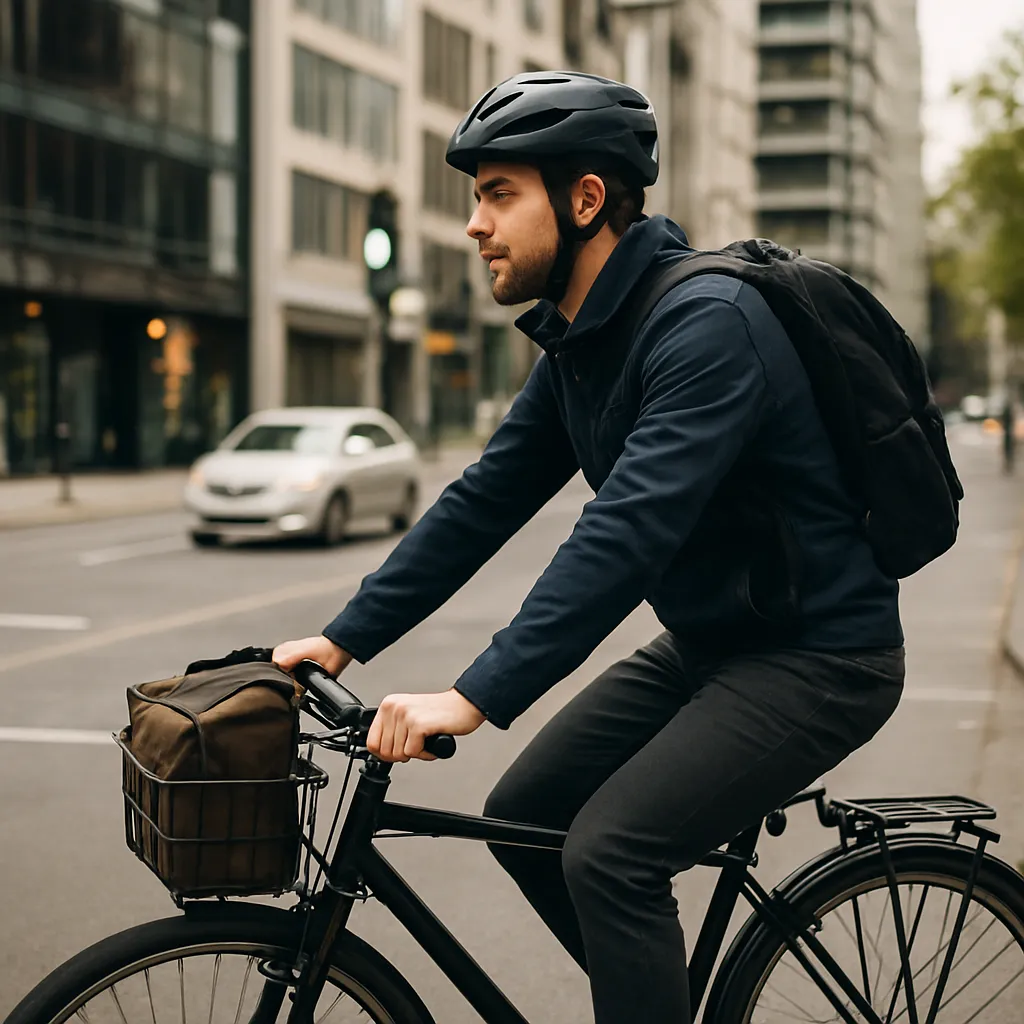
Another major perk is complete control over route selection. You choose whether to weave through serene backcountry lanes, tackle a steep mountain pass, or explore urban bike paths at dawn. This exploration fosters self-confidence as you learn to read maps, handle unexpected detours, and gauge your endurance. Missing traffic jams or crowded parks becomes a given, allowing you to immerse yourself fully in nature or cityscapes.
Nutrition and rest become entirely personal as well: schedule snack breaks when hunger strikes, adjust water intake to match perspiration levels, and pause for a quick nap or yoga stretch. Such self-management enhances your ability to listen to bodily cues and master pacing strategies. Over time, solo cyclists often build superior efficiency and resilience, becoming adept at tackling long distances with minimal external support.
Advantages of Group Rides
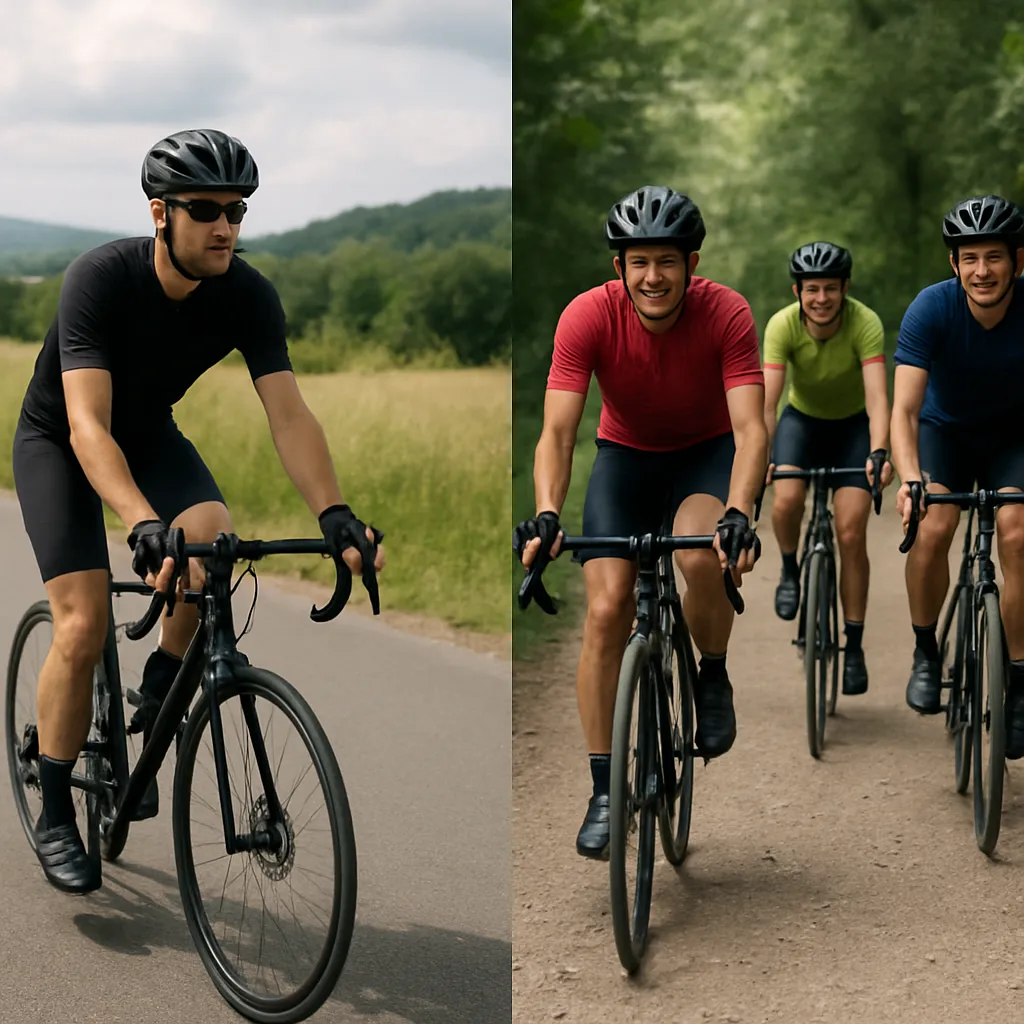
Joining a cycling group injects an undeniable social dimension into every journey. The camaraderie that forms among riders fosters encouragement, friendly competition, and a shared sense of purpose. Whether you’re part of a local club or an international gravel event, pedaling side by side creates bonds that last far beyond the finish line. Group rides often introduce newcomers to seasoned veterans who willingly share tips on gear, nutrition, and route planning.
Perhaps the greatest draw of a pack is the built-in motivation. On days when your legs feel heavy or the weather turns foul, the collective energy of a group can propel you forward. Drafting reduces wind resistance, saving up to 30 percent of the effort compared to solo efforts. This translates to faster average speeds and the confidence to tackle tougher sections together. Riding in formation also teaches valuable bike-handling skills, like precise cornering, smooth paceline rotations, and signaling hazards.
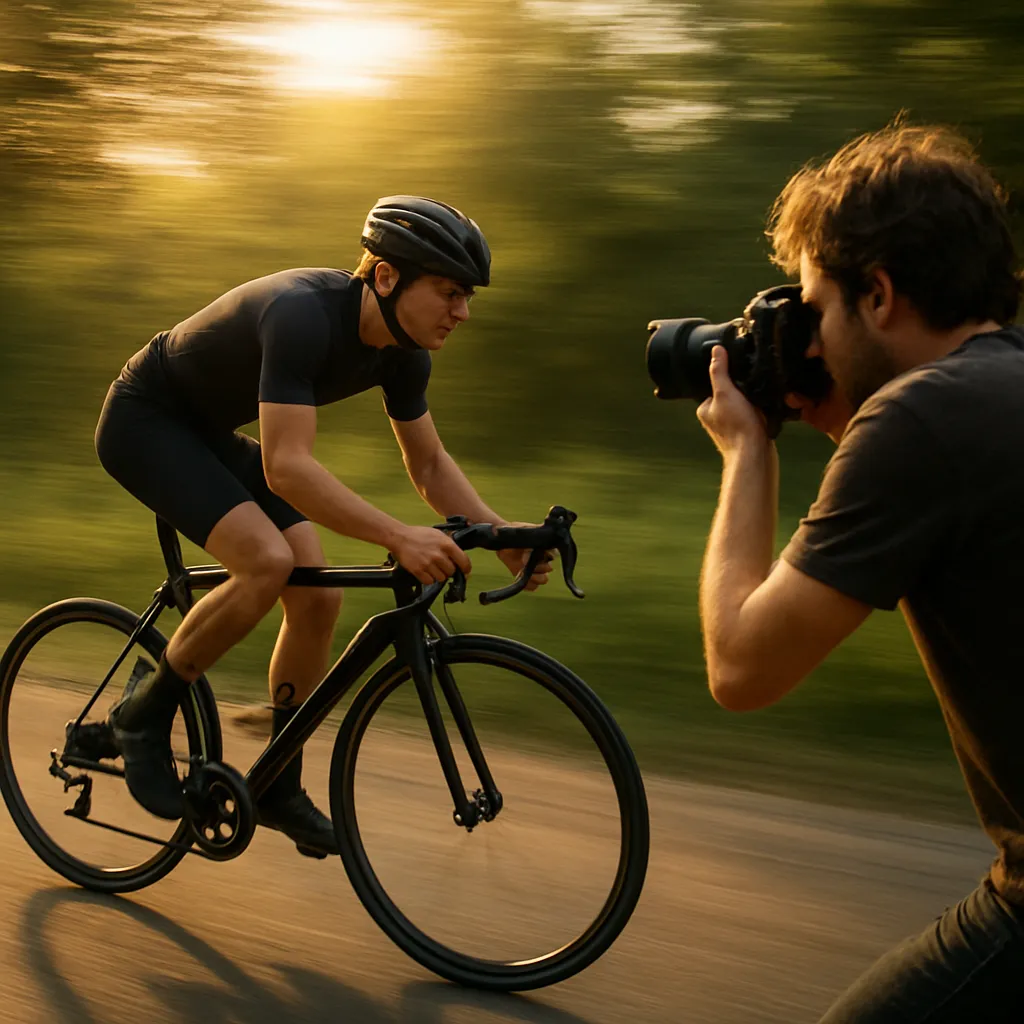
Safety in numbers cannot be overstated. In remote areas, mechanical failures or minor injuries are easier to manage with multiple hands available to repair a flat or offer first aid. Riders can alternate roles: one navigates, another carries tools, and a third documents the journey with photos and videos. This division of responsibilities turns a long expedition into a well-orchestrated mini-expedition, reducing stress and amplifying fun.
Overcoming Challenges in Different Settings
Every cycling adventure, solo or group, comes with its own set of obstacles. Learning to troubleshoot and adapt is part of the thrill. Below are practical strategies and insights.
Route and Navigation
Solo riders rely heavily on electronic devices or paper maps to stay on course. To avoid getting lost, consider investing in a reliable GPS unit with preloaded waypoints. Carry spare batteries or a portable charger in case your smartphone runs out of power. For those who prefer tactile guidance, laminated cue sheets tucked into a handlebar bag work wonders.
Mechanical Issues
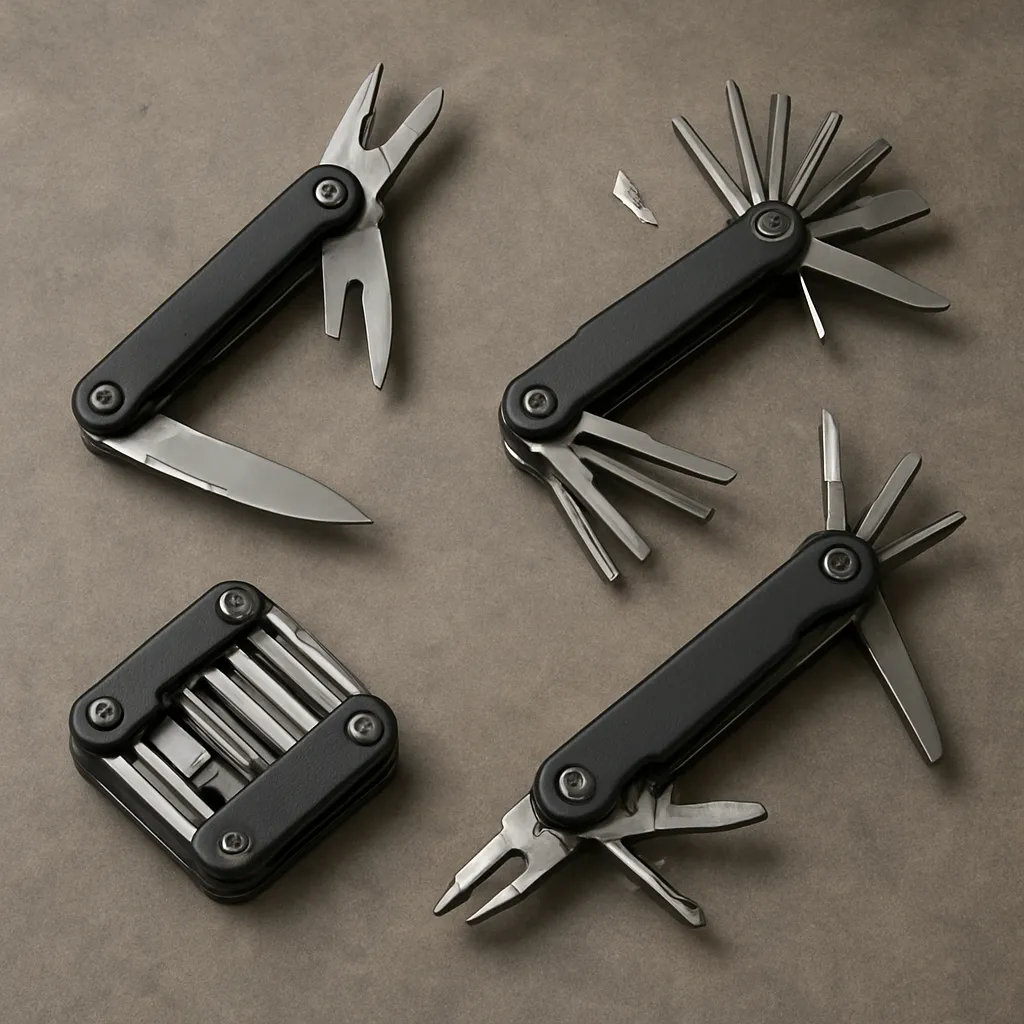
Flat tires, chain drops, and brake adjustments are inevitable. A solo cyclist must master basic repairs, from removing the wheel to patching tubes and realigning bent components. Equip yourself with a multi-tool, tire levers, a mini pump, and one or two spare inner tubes. Practice these repairs in your backyard until the motions become second nature.
Endurance and Nutrition
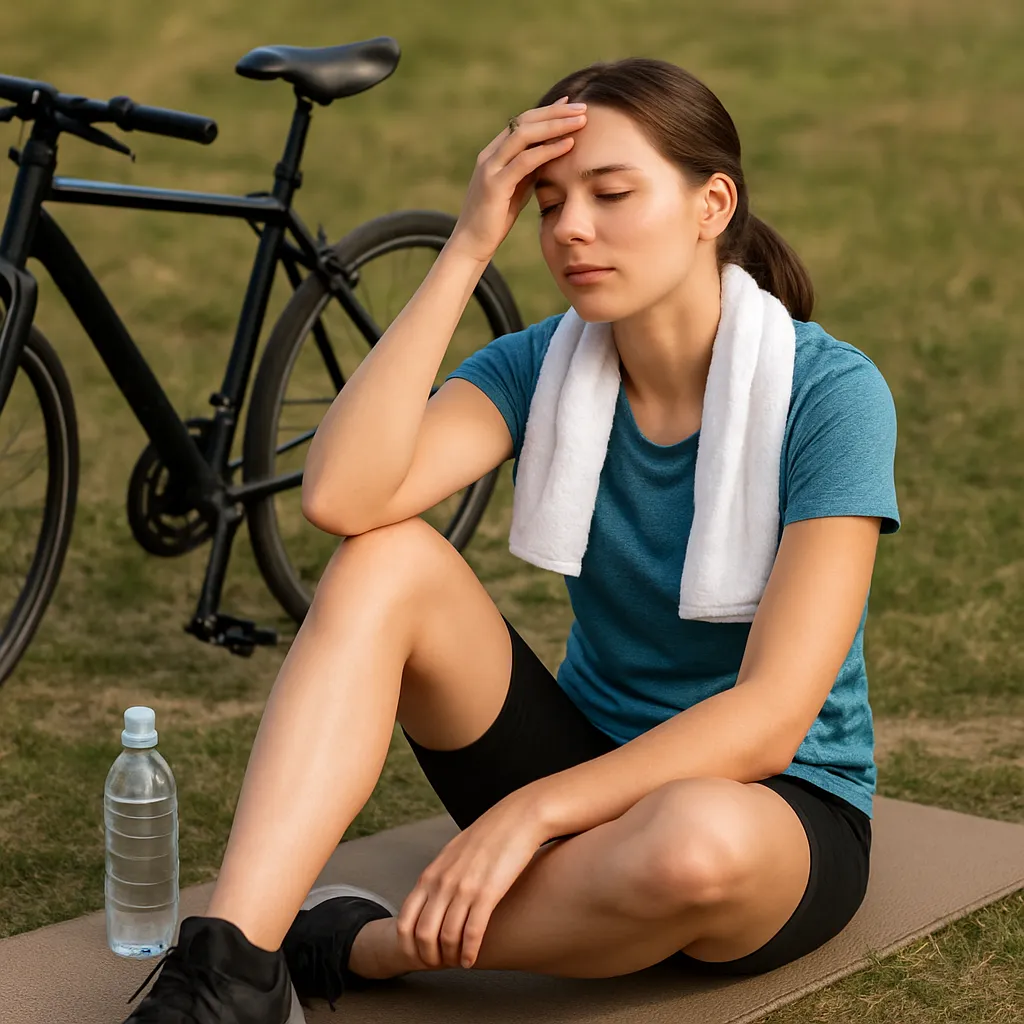
Staying fueled on extended rides demands strategic planning. Pack energy gels, bars, and whole foods like trail mix or sandwiches. Set reminders on your bike computer to eat and hydrate every 30 to 45 minutes. In groups, riders often share snacks and hydration packs, so bring extra to offer to teammates experiencing bonking.
Key Preparation Tips
- Check weather forecasts and prepare for sudden changes in temperature or precipitation.
- Inform someone of your itinerary, especially when venturing into remote regions.
- Wear a high-visibility jersey or vest to improve safety on busy roads.
- Carry personal identification and emergency contact details in a waterproof pouch.
- Review local regulations regarding trail access and bike restrictions.
Planning Your Next Cycling Adventure
Whether you opt for solitary stretches or pack-style pilgrimages, thoughtful preparation sets the stage for unforgettable experiences. Begin with your equipment: select a bike that suits terrain demands—road, gravel, mountain, or touring. Ensure tires match conditions: slicks for asphalt, knobby treads for dirt, or puncture-resistant casings for mixed surfaces.
Clothing choices influence comfort and performance. For colder climates, layer moisture-wicking fabrics under a windproof shell. In summer’s heat, opt for breathable jerseys and padded shorts that reduce friction. Don’t forget essentials like gloves, sunglasses, and a well-fitted helmet. A hydration pack or handlebar-mounted bottles will keep fluids within easy reach, supporting consistent intake without disrupting momentum.
Route planning tools range from smartphone apps to traditional guidebooks. Websites allow you to download GPX files, analyze elevation profiles, and calculate mileage. Consider incorporating rest stops at cafes, scenic viewpoints, or historical landmarks. Factor in circadian rhythms: if you ride at dawn, secure lodging or campsites that accommodate early arrival and offer restful surroundings.
Joining an online cycling community can spark new ideas and connect you with potential riding partners. Many forums host ride announcements, training challenges, and gear reviews. Attending group workshops on basic mechanical skills or first-aid courses further enhances your self-reliance and confidence on the road.
Ultimately, the decision between solo and group rides depends on personal goals and temperament. Some cyclists switch fluidly between both, savoring independent escapades on weekdays and converging with friends on weekends. Each mode deepens your appreciation for the bicycle as a tool for discovery and connection. With proper planning, an adventurous spirit, and respect for the elements, your next cycling journey—alone or in a pack—will be as rewarding as the miles you cover.