Embarking on a long-distance bike trip can be both exhilarating and budget-friendly when approached with the right mindset. Savvy riders know that clever planning and resourceful tactics can transform a costly expedition into an affordable adventure. This guide shares practical hacks to help you maximize value without sacrificing comfort or safety. Whether you’re a weekend warrior or a cross-country explorer, these strategies will keep your wallet intact and your pedals spinning.
Smart Packing Strategies
Minimalist Gear Selection
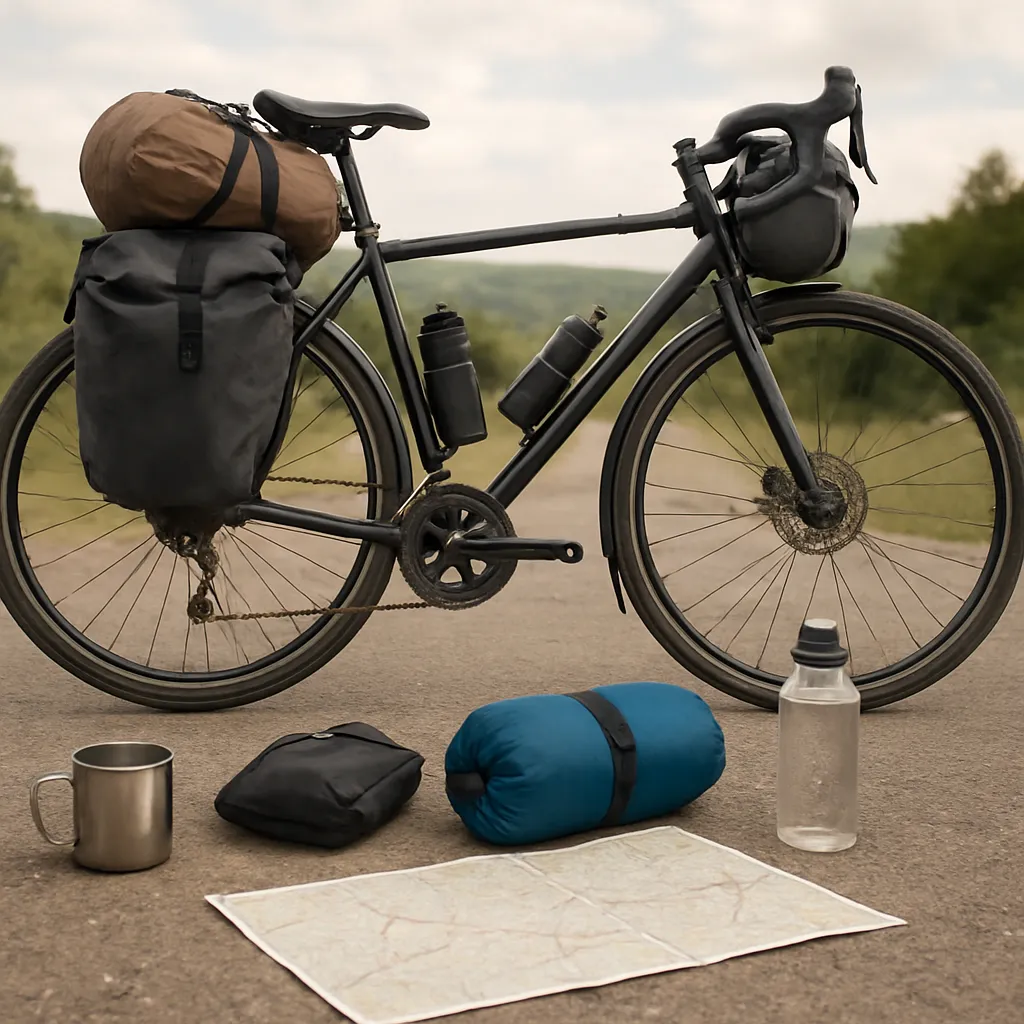
Choosing the right gear is the cornerstone of any cost-conscious cycling tour. Aim to pack only the essentials and prioritize multifunctional items. Lightweight items reduce fatigue and allow you to carry less, meaning you can skip expensive luggage services or extra panniers.
- High-quality panniers: Seek used or discounted models with waterproof liners to protect your belongings.
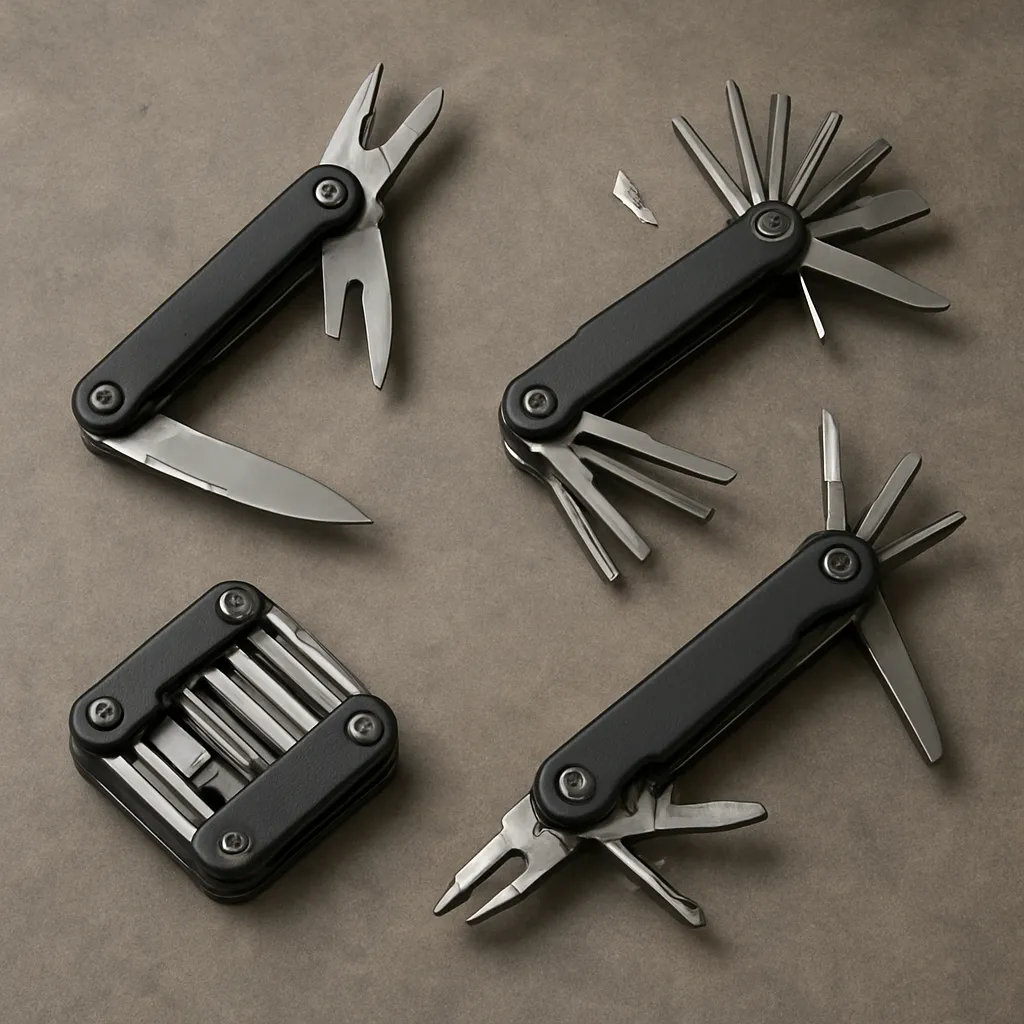
- Multi-tool: Invest in one durable tool that combines screwdrivers, hex wrenches, and a chain breaker.
- Compression sacks: These keep clothing and sleeping bag volumes small, saving space for food or water supplies.
- Dual-purpose clothing: Merino wool layers can function as both base layers and sleepwear.
DIY Maintenance Kit
A basic toolkit prevents pricey roadside assistance calls. Assemble a small kit that addresses the most common mechanical issues:
- Patch kit and spare inner tube
- Mini pump or CO₂ inflator
- Chain lube in a travel-size bottle
- Zip ties and duct tape for emergency fixes
Finding Affordable Accommodation and Food
Budget Lodging Options
Saving on overnight stays can meaningfully reduce overall costs. Explore alternatives to pricey hotels:
- Hostels: Dormitory-style lodging often provides bike storage and communal kitchens.
- Campgrounds: Many national and state parks offer low-cost sites, some with basic amenities.
- Couchsurfing networks: Connect with locals willing to host touring cyclists free of charge.
- Warmshowers community: A platform specifically for cyclists to find free lodging and showers.
Cost-Effective Nutrition
Fueling your body on the road needn’t break the bank. Plan meals that blend convenience, nutrition, and affordability:
- Bulk buy staples like oats, rice, and pasta at supermarkets or discount stores.
- Local markets: Purchase fresh produce in season for low-cost, high-nutrient meals.
- Meal prep: Cook larger batches and portion into daily servings to save time and money.
- Energy bars and nuts: Homemade granola bars can be cheaper and healthier than store brands.
Maintaining Your Bike on the Road
Preventive Checks
Regular inspections minimize the chance of breakdowns. Incorporate quick check routines each morning or evening:
- Brakes: Ensure pads aren’t worn and that cables operate smoothly.
- Tire pressure: Keep at manufacturer-recommended levels to avoid flats and excessive rolling resistance.
- Chain condition: Wipe off grime and apply a fresh coat of lube every few hundred kilometers.
- Bolts and nuts: Tighten essential hardware, especially rack and pannier mounts.
Local Repair Resources
When complex issues arise, tapping into local expertise can save both time and money:
- Bike co-ops: Volunteer-run workshops often offer free or pay-what-you-can repair services.
- Mobile mechanics: Use regional classifieds or online forums to find affordable on-the-spot repairs.
- Community notice boards: Hostels and cafes sometimes share referrals for neighborhood repair shops.
Leveraging Community and Digital Resources
Route Planning Apps
Effective navigation prevents unnecessary detours and reduces fuel costs if you’re towing a trailer or using support vehicles:
- OpenStreetMap: Free mapping platform with dedicated cycling routes.
- Komoot: Offers detailed trail info and offline maps (consider the one-time fee for premium regions).
- RideWithGPS: Focuses on user-generated routes with elevation profiles and turn-by-turn guidance.
Social Networks for Cyclists
Connecting with fellow riders unlocks insider tips and sometimes unexpected hospitality:
- Facebook groups for touring cyclists in specific regions
- Reddit communities like r/bicycletouring for advice and camaraderie
- Local meetup events hosted by bike shops or advocacy organizations
Maximizing Efficiency on Two Wheels
Pacing and Rest
Maintaining a steady pace not only conserves energy but also reduces wear on components. Integrate rest days strategically to allow for bike maintenance and personal recovery:
- Follow the 80/20 rule: 80% of your ride at moderate effort, 20% at high intensity.
- Schedule layover days in towns where you can access repair shops and bulk groceries.
- Use these intervals to wash gear, re-lube the chain, and inspect for damage.
Energy Management
Balancing caloric intake with exertion levels keeps performance consistent and prevents expensive emergencies like medical visits for dehydration:
- Consume carbohydrate-rich snacks every hour during long rides.
- Carry a refillable water bottle or hydration bladder to cut disposable plastic costs.
- Consider electrolyte tablets instead of pricey sports drinks.