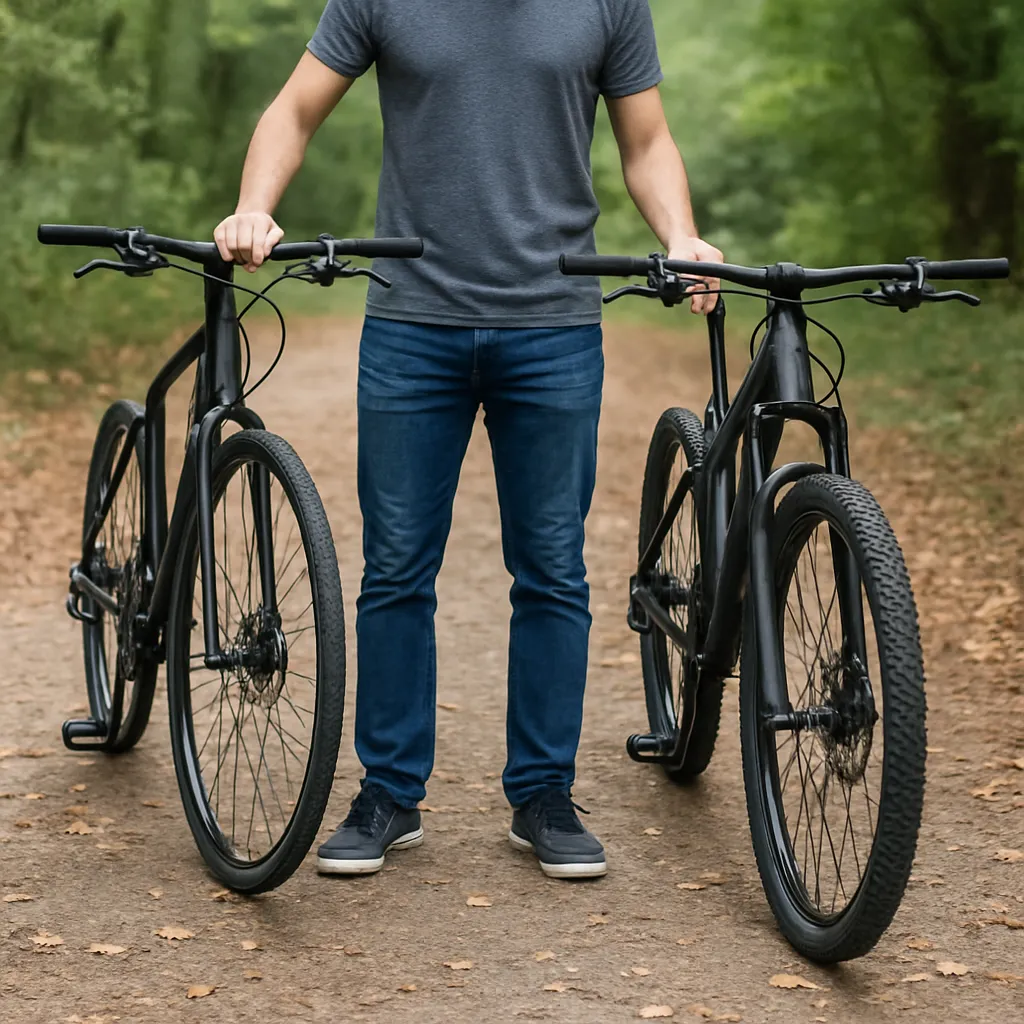
Choosing the ideal bicycle often comes down to matching your riding goals with the right frame, components, and geometry. Both hybrid and mountain bikes offer unique advantages, but understanding their strengths and limitations is essential for a satisfying cycling experience. Whether you’re commuting to work, exploring gravel paths, or tackling steep singletrack, this guide will help you make an informed decision.
Understanding Design and Components
The fundamental differences between hybrid and mountain bikes lie in their frame geometry, tire width, and suspension systems. Hybrid bikes blend features of road and mountain bikes, prioritizing efficiency and comfort on paved roads. Mountain bikes, by contrast, are built to withstand rugged off-road conditions, emphasizing durability and shock absorption.
Frame Geometry
- Hybrid Bikes: Typically feature a more upright riding position that reduces strain on the back and shoulders. The frame is lightweight, offering a fine balance between agility and stability.
- Mountain Bikes: Designed with a slacker head tube angle, which provides enhanced control on descents and technical trails. The seating position is more forward, enabling better weight distribution when climbing or tackling obstacles.
Tire and Wheel Choices
- Hybrid Bikes: Equipped with medium-width tires (28–42 mm) that offer low rolling resistance for smooth surfaces while retaining enough grip for light gravel or dirt paths.
- Mountain Bikes: Use wide, knobby tires (2.1–2.6 inches or more) to maximize traction on mud, rocks, and loose terrain. Larger volume tires also provide a degree of built-in suspension through air volume.
Suspension and Comfort
- Hybrid Bikes: Often come with rigid forks or minimal front suspension (30–50 mm travel), focusing on comfort without compromising pedaling efficiency.
- Mountain Bikes: Available as hardtail (front suspension only) or full-suspension models, with travel ranging from 100 mm for cross-country to over 160 mm for enduro and downhill riding.
Performance Across Various Terrains
An essential aspect of choosing between these two bike types is evaluating the surfaces you intend to ride. Each bike excels under specific conditions and may feel suboptimal elsewhere.
Paved Roads and Commutes
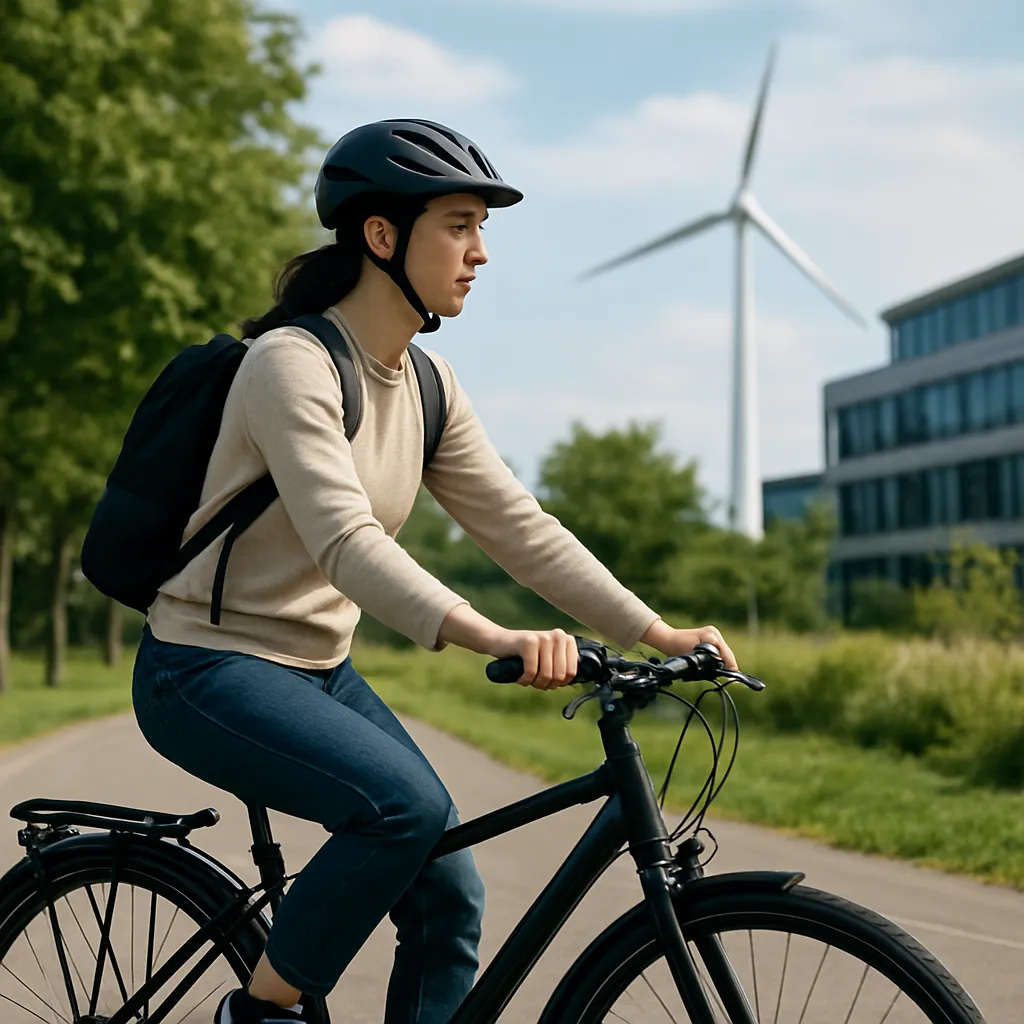
- Hybrid Bikes are the top choice for urban commuters and leisure cyclists on paved surfaces. Their lighter weight, upright position, and narrower tires translate into faster speeds and reduced rider fatigue over long distances.
- Mountain Bikes can handle pavement but feel sluggish due to wider tires and heavier frames. Riders may experience increased rolling resistance and less aerodynamic posture.
Gravel and Mixed-Surface Routes
- Hybrid Bikes with semi-slick or all-terrain tires can tackle gravel paths moderately well. However, the limited suspension and narrower clearance may hinder performance on rougher sections.
- Mountain Bikes shine on mixed surfaces. Even a hardtail model delivers superior traction and shock absorption, allowing you to maintain higher speeds and confidence over uneven ground.
Technical Singletrack and Off-Road Trails
- Hybrid Bikes are not designed for aggressive off-road riding. Low ground clearance and minimal suspension increase the risk of punctures and mechanical stress when faced with roots, rocks, or steeper grades.
- Mountain Bikes provide unmatched control and resilience on technical trails. Full-suspension variants help manage brutal impacts, while dropper posts and wide handlebars improve stability and line choice.
Aligning With Your Riding Style and Goals
Consider the following factors to determine which bike best suits your needs:
Fitness and Recreational Riding
If your primary goal is staying active or enjoying leisurely rides through parks and bike lanes, a hybrid bike offers a comfortable, user-friendly platform. Its straightforward gearing and step-through frame options make it accessible to a wide range of riders.
Commute and Daily Use
For those navigating urban streets, hybrids provide versatility and built-in mounting points for racks and fenders. The ability to carry groceries, briefcases, or panniers enhances adaptability, making them a practical daily driver.
Adventure and Trail Exploration
Enthusiasts seeking adrenaline-pumping rides will appreciate a mountain bike’s robust build. Hardtails are ideal for cross-country loops and less rocky terrain, offering a lighter, more agile ride. Full-suspension models cater to downhill thrill-seekers, conquering big hits and steep descents with ease.
Other Essential Considerations
Beyond performance, several practical aspects influence your decision:
- Maintenance: Hybrid bikes often require less frequent upkeep due to simpler drivetrains and fewer suspension components. Mountain bikes demand regular attention to suspension forks, shock absorbers, and high-torque drivetrain parts.
- Cost: Entry-level hybrids are generally more affordable, while high-end mountain bikes—especially full-suspension models—can be significantly more expensive.
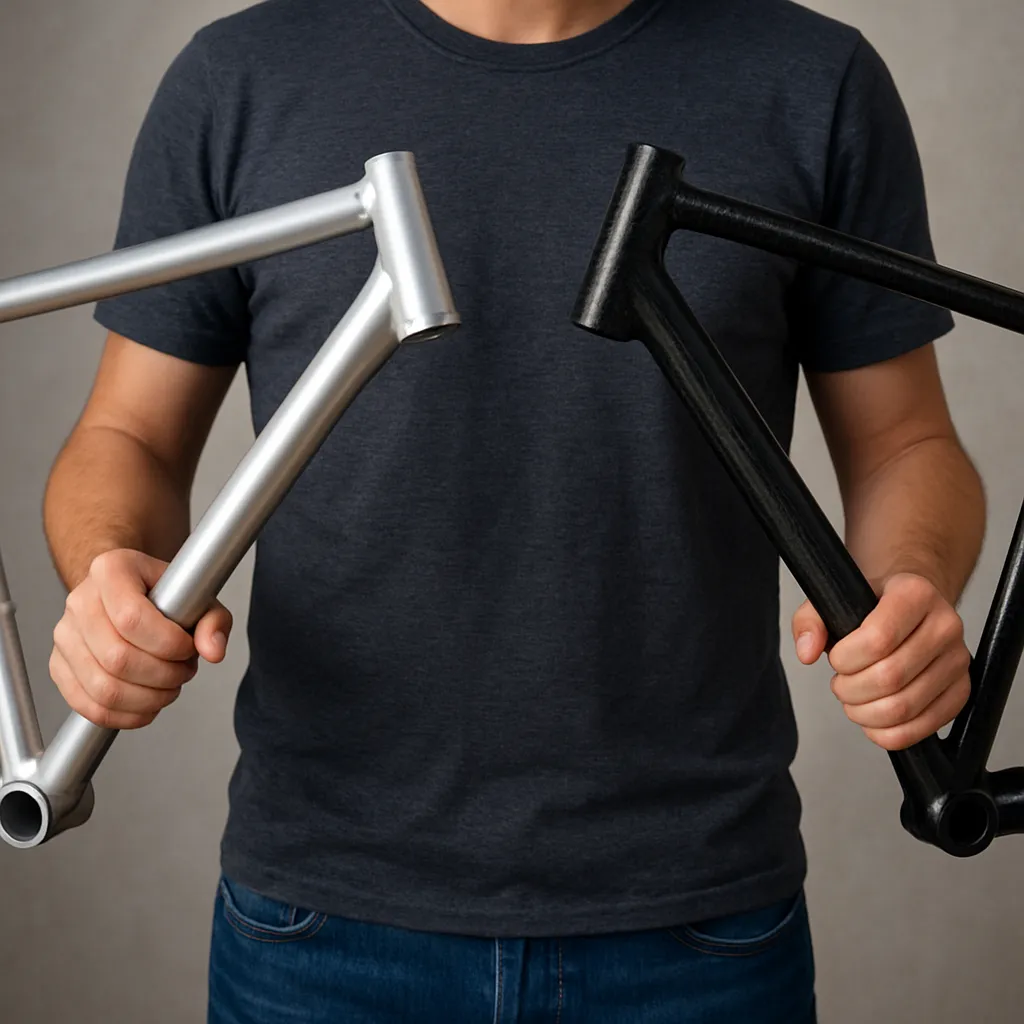
- Weight: Hybrid frames made of aluminum or steel may weigh more than carbon fiber mountain frames. However, the added suspension and reinforced components on mountain bikes often offset any savings.
- Upgrade Potential: Both platforms offer numerous aftermarket options, but mountain bikes typically have a broader range of performance-oriented upgrades, from dropper posts to wider handlebars and high-travel forks.