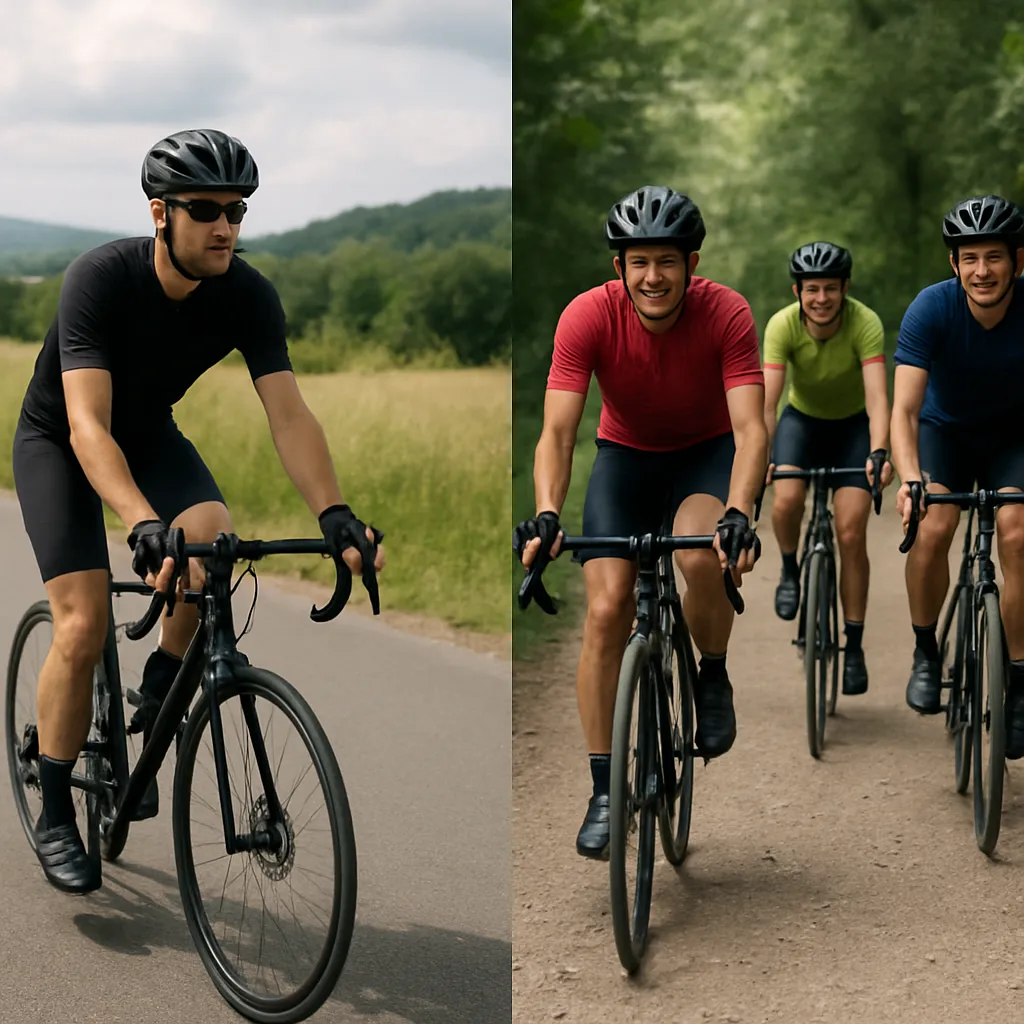
Embarking on a journey to improve your performance on two wheels demands more than just enthusiasm—it requires a well-thought-out roadmap. In this guide, we’ll show you how to translate your passion for cycling into achievable milestones. By setting clear goals and following a structured approach, you can experience steady gains and enjoy every ride, whether you’re exploring local trails or tackling challenging climbs.
Establishing Core Objectives
Evaluating Your Current Level
Before you aim for lofty targets, take stock of where you stand today. Record recent ride distances, average speeds, and perceived exertion. Consider using power meters or heart rate monitors to quantify your output. By understanding your baseline, you’ll lay the groundwork for realistic improvements. Implement the SMART methodology—Specific, Measurable, Achievable, Relevant, Time-bound—to ensure every aim is both clear and actionable. This process prevents frustration, safeguards confidence, and positions you for lasting success.
Define Measurable Outcomes
Once you know your starting point, translate ambitions into concrete metrics. Instead of saying “I want to get stronger,” specify “I will sustain an average power output of X watts for 60 minutes within three months.” Such clarity transforms vague wishes into definable checkpoints. Incorporate rest and cross-training days so your body adapts without overtraining. Embrace consistency over sporadic bursts of effort, and remember that small, steady gains often compound into significant breakthroughs.
Designing a Structured Training Plan
A detailed schedule helps balance intensity and recovery, preventing burnout while maximizing adaptation. Break your week into varied sessions that target different physiological systems. Use training zones to guide effort:
- Zone 1: Active recovery rides to promote blood flow without fatigue.
- Zone 2: Endurance rides for aerobic capacity and metabolic efficiency.
- Zone 3: Tempo rides to boost sustained speed.
- Zone 4: Threshold intervals to increase lactate tolerance.
- Zone 5: VO₂ max efforts for peak power and oxygen uptake.
Mix in strength work off the bike—core exercises, squats, and lunges—to bolster overall stability. Gradually increase volume by no more than 10% per week, allowing your body to adapt safely. This balanced framework ensures progressive overload without risking injury, paving the way for enhanced endurance and overall performance.
Tracking Progress and Staying Motivated
Leveraging Technology and Data
Recording rides in a digital log or app gives you tangible evidence of improvement. Monitor metrics like distance, average speed, elevation gain, and normalized power. Regularly review your stats to identify trends and plateaus. Use cycling journals—whether paper-based or digital—to note factors such as sleep quality, nutrition, and stress levels. These details help you correlate lifestyle habits with on-bike results, making adjustments more precise.
Cultivating Long-Term Drive
Maintaining motivation often proves as challenging as the physical training itself. Set both short-term checkpoints and long-term aspirations. Celebrate small victories—hitting a new personal best on a timed climb or completing a steady ride in adverse weather conditions. Partner up for group rides or join a club to infuse your schedule with camaraderie and healthy competition. Visual reminders, like route maps or goal dates on a calendar, can sustain your enthusiasm through inevitable rough patches.
Maintaining Balance and Preventing Burnout
Prioritizing Rest and Recovery
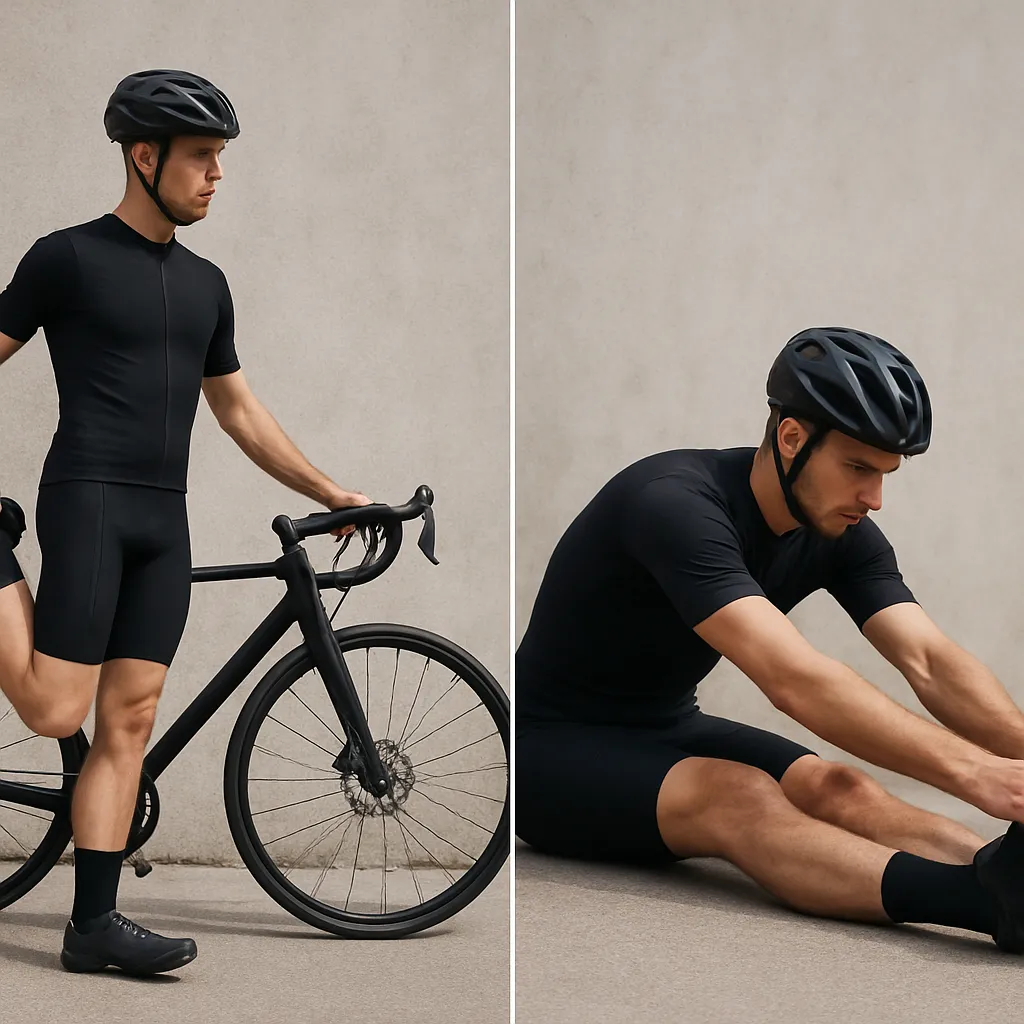
Effective plans integrate periods of reduced intensity to allow muscles to repair and adapt. Schedule at least one complete rest day each week, and alternate hard efforts with easier spins. Incorporate stretching, foam rolling, and optional yoga sessions to promote flexibility and reduce soreness. Practicing rest days diligently fosters resilience and minimizes the risk of overuse injuries.
Listening to Your Body
Objective data is invaluable, but never ignore subjective warning signs. Chronic fatigue, lingering soreness, or sudden dips in performance may signal the need for extra rest. Adjust your plan when necessary rather than pushing through every scheduled session. A responsive approach ensures long-term sustainability and prevents setbacks that could derail months of progress.
Nutrition and Recovery Strategies
Fueling your efforts correctly multiplies the benefits of training. Prioritize whole foods rich in carbohydrates, proteins, and healthy fats. Plan pre-ride meals to top off glycogen stores, and carry easily digestible snacks—bananas, gels, or energy bars—on longer routes. Post-ride, aim for a 3:1 ratio of carbs to protein within 30 minutes of finishing to accelerate muscle repair. Hydration is equally critical; monitor urine color and consider electrolyte supplements in warm conditions. Integrating fuel intake best practices elevates recovery and primes you for consistent gains.
Fine-tuning and Long-Term Growth
As you inch closer to your initial targets, revisit and revise your objectives. Introduce new challenges—longer events, alternative terrains, or time trials—to keep growth continuous. Solicit feedback from coaches or experienced riders to uncover blind spots in technique or pacing. Schedule periodic performance tests every 8–12 weeks to reset your baseline and realign your plan. Cultivating a future milestones mindset helps sustain momentum, ensuring that every season brings fresh excitement and accomplishments.