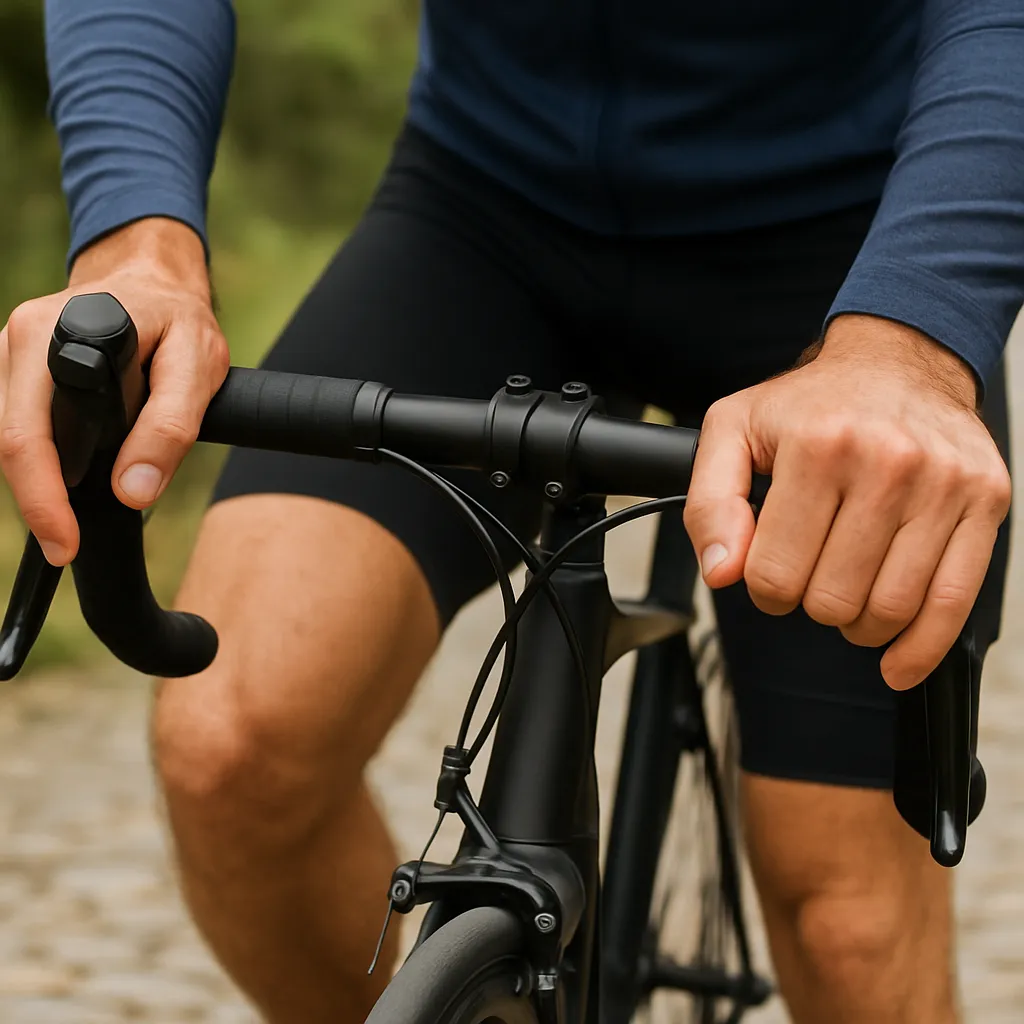
Cycling offers a combination of freedom, fitness, and adventure, but persistent **hand numbness** can turn an enjoyable ride into an uncomfortable ordeal. Whether you’re commuting downtown or tackling a challenging gravel route, maintaining proper **comfort** and preventing tingling sensations in your hands is crucial. This article explores multiple strategies to keep your grip secure, improve blood circulation, and protect delicate nerves so you can focus on the open road ahead.
Understanding the Causes of Hand Numbness
Hand numbness during cycling often stems from prolonged pressure on the ulnar and median nerves located at the wrist and palm. Identifying the underlying causes is the first step toward effective relief.
- Nerve Compression: Leaning too heavily on your handlebars can compress nerves against carpal bones, leading to tingling or loss of sensation.
- Poor Blood Flow: Restrictive grips and tight gloves may reduce circulation, aggravating numbness over time.
- Improper Bike Fit: If your handlebars are too low or reach is excessive, weight is transferred to the hands instead of the core and saddle.
- Incorrect Wrist Angle: Bending your wrists sharply—whether upward, downward, or to the side—can pinch nerves and compress arteries.
- Lack of Core Engagement: Relying solely on your arms to support upper-body weight forces constant pressure through your hands.
Optimizing Bike Fit and Riding Posture
A well-fitted bicycle promotes balanced weight distribution between your hands, saddle, and pedals. Making incremental adjustments can dramatically reduce hand fatigue and numbness.
Handlebar Height and Reach
- Raise or lower bars to achieve a neutral wrist position—aim for your forearms to be in line with your wrists.
- Shorten the reach if over-stretching forces you to lock your elbows or hyperextend your wrist.
- Consider a flared drop-bar or semi-compact handlebar to open up your back angle and reduce pressure on hands.
Saddle Position and Tilt
- Adjust saddle height so that your hips remain stable; excessive rocking shifts weight forward.
- Set saddle tilt level or drop the nose slightly—avoid nose-up angles that push riders into the bars.
Engaging Your Core
Activating abdominal and lower-back muscles reduces the need to brace with your arms. Keep your spine long and avoid collapsing onto your hands. A strong core prevents overstressing the wrists and shoulders.
Choosing the Right Equipment and Accessories
Investing in quality components and gear specifically designed to mitigate hand discomfort can make long rides more enjoyable.
Handlebar Grips and Tape
- Opt for thick, high-density bar tape or ergonomic grips that distribute pressure across the palm.
- Use dual-density materials—firmer core for support and softer outer layer for shock absorption.
- Re-wrap bars at least every season; worn tape loses cushioning and slip-resistance.
Padded Cycling Gloves
- Choose anatomical padding that aligns with pressure points; avoid flat gel inserts that can shift.
- Ensure proper glove fit—too loose causes movement inside the glove, too tight restricts circulation.
- Rotate gloves regularly to minimize moisture buildup and maintain cushioning.
Suspension and Handlebar Accessories
- Consider a suspension seatpost or fork to absorb road vibration before it reaches your hands.
- Install bar-end plugs or small extensions to allow multiple hand positions, reducing constant pressure.
- Clip-on aero bars or comfort bars provide alternate grips and reposition your weight distribution.
Techniques for Dynamic Riding and Hand Position Changes
Maintaining a static hand posture for long periods contributes to numbness. Incorporating micro-adjustments can preserve sensation and relieve pressure.
- Shift between drops, hoods, and tops every 5–10 minutes to vary pressure points.
- Grip lightly—use minimal force needed to control the bike, avoiding a death grip.
- Stand periodically to let blood rush back into your hands and relieve compressed nerves.
- Lean back slightly on climbs to redistribute weight away from the bars.
- Pretend you’re picking up a fragile object when gripping—this encourages a softer hand placement.
Pre-Ride and Post-Ride Exercises
Regular stretches and strength training can improve wrist flexibility and resilience against numbness.
Wrist and Hand Stretches
- Wrist Extensor Stretch: Extend one arm palm-down, gently pull fingers toward you with opposite hand.
- Wrist Flexor Stretch: Extend arm palm-up, pull fingers back toward your body to open the palm side.
- Median Nerve Glide: With elbow bent and palm facing up, tilt head to the opposite side while gently extending wrist.
Strengthening Exercises
- Grip Squeezes: Use a soft stress ball or hand gripper for repeated squeezes to build forearm strength.
- Pronation/Supination: Hold a lightweight dumbbell and rotate wrist up and down to increase control.
- Wrist Curls: Perform flexion and extension curls with light weights to stabilize the joint.
Maintenance and Regular Check-Ups
Keeping your bike and body in top condition prevents recurring numbness issues.
- Inspect handlebars, stems, and headset for proper torque—loose components can cause extra vibration.
- Replace worn bar tape and grips promptly to ensure consistent vibration dampening.
- Schedule periodic bike-fit sessions, especially after equipment changes or shifts in flexibility.
- Monitor hand sensitivity off the bike—persistent numbness may require medical evaluation for conditions like carpal tunnel syndrome.