Cycling serves as more than just a recreational activity; it unlocks a powerful pathway to longevity and sustained well-being. By harnessing the simple yet effective motion of pedaling, individuals can boost their cardiovascular capacity, strengthen muscles, and cultivate resilience. This article explores how regular bike rides contribute to a youthful body and mind, offering strategies and insights for enthusiasts at every level.
Physical Endurance and Cardiovascular Health
Regular cycling stimulates the heart, improving overall cardiovascular function. As you maintain a steady pace, your heart rate elevates, blood circulation intensifies, and oxygen delivery to muscles becomes more efficient. Over time, these adaptations translate into:
- Reduced resting heart rate
- Lowered blood pressure
- Enhanced arterial flexibility
- Improved lipid profiles (higher HDL, lower LDL)
Beyond the heart, cycling engages major muscle groups, including the quadriceps, hamstrings, glutes, and calves. This repetitive, low-impact exercise builds muscular endurance without placing undue stress on joints, making it an ideal choice for individuals seeking both safety and results. Additionally, maintaining a consistent riding regimen accelerates metabolic rate, aiding in weight management and fat loss.
Building Sustainable Strength
Strength training often conjures images of heavy weights and gym machines, but cycling offers an alternative route to robust muscle tone. By adjusting resistance—through steeper terrain or gear shifts—riders challenge their leg muscles in a dynamic fashion. Over weeks and months, this sustained resistance leads to:
- Improved muscle fiber recruitment
- Greater explosive power for sprints or climbs
- Enhanced joint stability
- Heightened overall resilience against injury
Mental Clarity and Emotional Well-Being
While the physical benefits of biking stand out, the psychological rewards are equally compelling. Time spent on two wheels often yields a natural mood boost, driven by endorphin release, stress reduction, and a heightened sense of achievement. Key mental health advantages include:
- Enhanced cognitive function through increased blood flow to the brain
- Reduction in anxiety and depression symptoms
- Improved focus, memory, and learning capacity
- A sense of freedom and connection with the environment
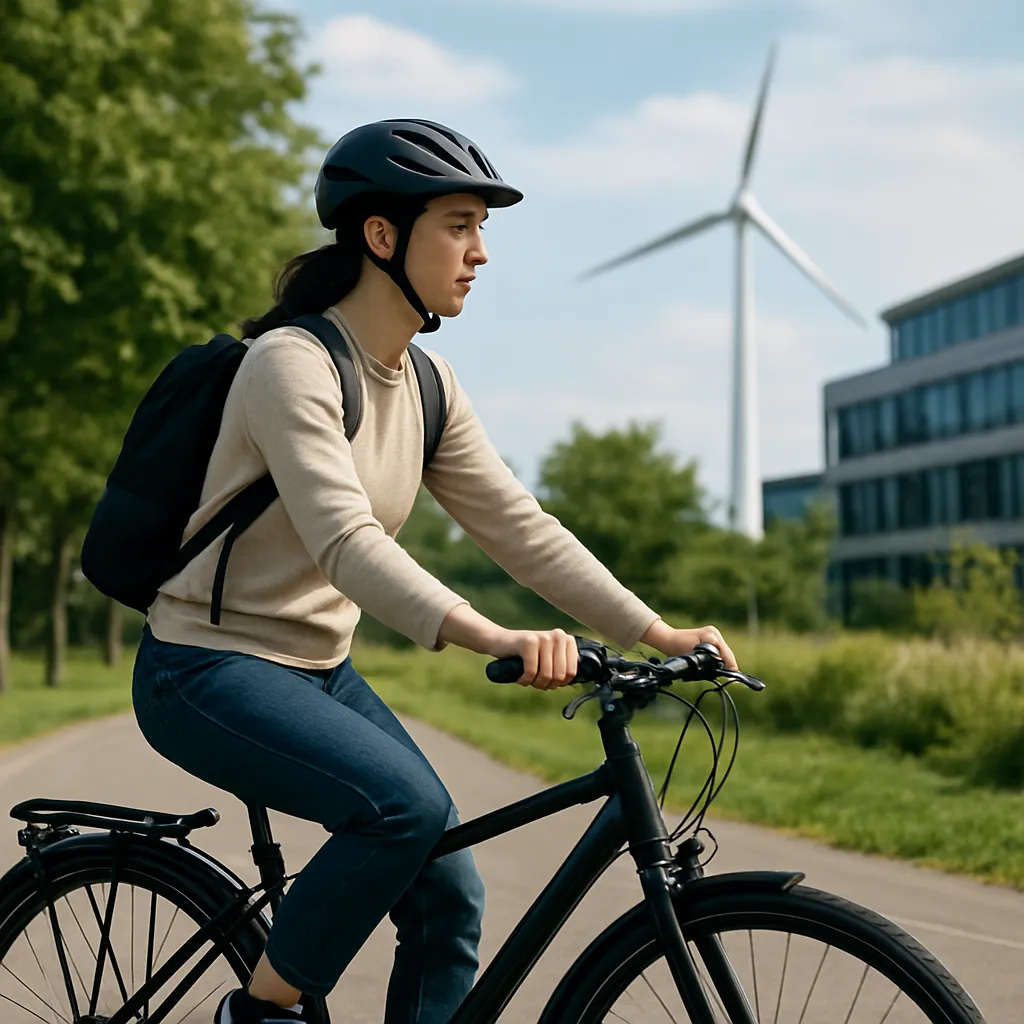
Urban dwellers who navigate city streets on a bicycle report feeling more engaged in their surroundings, noticing architectural details, greenery, and neighborhood life that often go unseen when enclosed in a vehicle. For many, these daily micro-adventures translate into long-term happiness and a persistent feeling of youthfulness.
Mindful Riding Practices
Incorporating mindfulness into cycling routines can further elevate mental health benefits. Techniques such as:
- Controlled breathing patterns synchronized with pedal strokes
- Visualization of scenic routes or personal goals
- Periodic checkpoints of body posture and muscle tension
A mindful approach helps riders maintain optimal form, prevent overexertion, and cultivate a meditative flow state—where worries subside and concentration peaks. This combination of physical exertion and mental presence supports long-term cognitive vitality.
Nutrition, Recovery, and Metabolism
Complementing regular rides with balanced nutrition and recovery protocols accelerates the benefits of cycling. Proper fueling before, during, and after workouts ensures muscles receive the necessary energy and nutrients to repair and adapt. Nutrition strategies include:
- Carbohydrate loading with whole grains, fruits, and vegetables for sustained energy
- High-quality proteins such as lean meats, legumes, and dairy to support muscle recovery
- Healthy fats from nuts, seeds, and fatty fish to reduce inflammation
- Hydration with water and electrolyte drinks to replace lost minerals
Post-ride, stretching and foam rolling facilitate muscle relaxation and flexibility. Adequate sleep—ideally seven to nine hours per night—boosts hormone regulation, including growth hormone release, which plays a critical role in tissue repair and the preservation of youthful cellular function.
Optimizing Metabolic Health
Cycling triggers adaptations in mitochondrial density and efficiency, the cellular powerhouses responsible for energy production. Over time, riders experience:
- Increased insulin sensitivity
- Better blood sugar regulation
- Enhanced fat oxidation
- Reduced risk of metabolic syndrome and type 2 diabetes
By consistently challenging the body with aerobic sessions of varying intensity, cyclists maintain a robust metabolism well into later decades, supporting vitality and reducing age-related decline.
Safety Measures and Equipment Essentials
Maximizing the health benefits of cycling requires attention to safety. A well-chosen bike and appropriate gear reduce the risk of injury and ensure comfortable, efficient rides. Essential considerations include:
- Helmet fit and ventilation
- Padded cycling shorts or tights for saddle comfort
- High-visibility clothing or reflective elements
- Properly inflated tires for traction and shock absorption
- LED lights for daytime and nighttime riding
Routine bike maintenance—such as checking brake pads, chain lubrication, and gear functionality—prevents mechanical failures that could interrupt progress or pose safety hazards. By treating equipment with care, riders invest in consistent, injury-free longevity.
Adapting to Different Terrains
Whether navigating smooth urban boulevards or tackling rugged off-road trails, matching the bicycle type to the environment elevates both performance and enjoyment. Key categories include:
- Road bikes: streamlined frames for speed on pavement
- Gravel bikes: versatile geometry for mixed-surface exploration
- Mountain bikes: robust suspension and wider tires for technical trails
- Hybrid bikes: balanced features for recreational and commuter use
Selecting appropriate tires, adjusting suspension settings, and refining body positioning enhance control, reduce fatigue, and support an injury-resistant riding style.
Community, Adventure, and Lifelong Motivation
One of the most rewarding aspects of cycling lies in the social connections and sense of adventure it fosters. Joining group rides, participating in charity events, or embarking on multi-day tours offer opportunities to meet like-minded individuals and challenge personal limits. Community engagement encourages accountability and provides the encouragement needed to sustain a cycling habit over years and decades.
Planning Your Next Cycling Expedition
Adventure cyclists often craft routes that highlight scenic landscapes, cultural landmarks, and local cuisine. Essential planning steps include:
- Mapping daily distances and elevation gains
- Booking accommodations or planning overnight campsites
- Researching weather patterns and seasonal considerations
- Ensuring emergency repair kits and first-aid supplies are accessible
Whether tackling mountain passes, coastal roads, or urban circuits, each journey reinforces a sense of accomplishment and contributes to lifelong youthfulness.