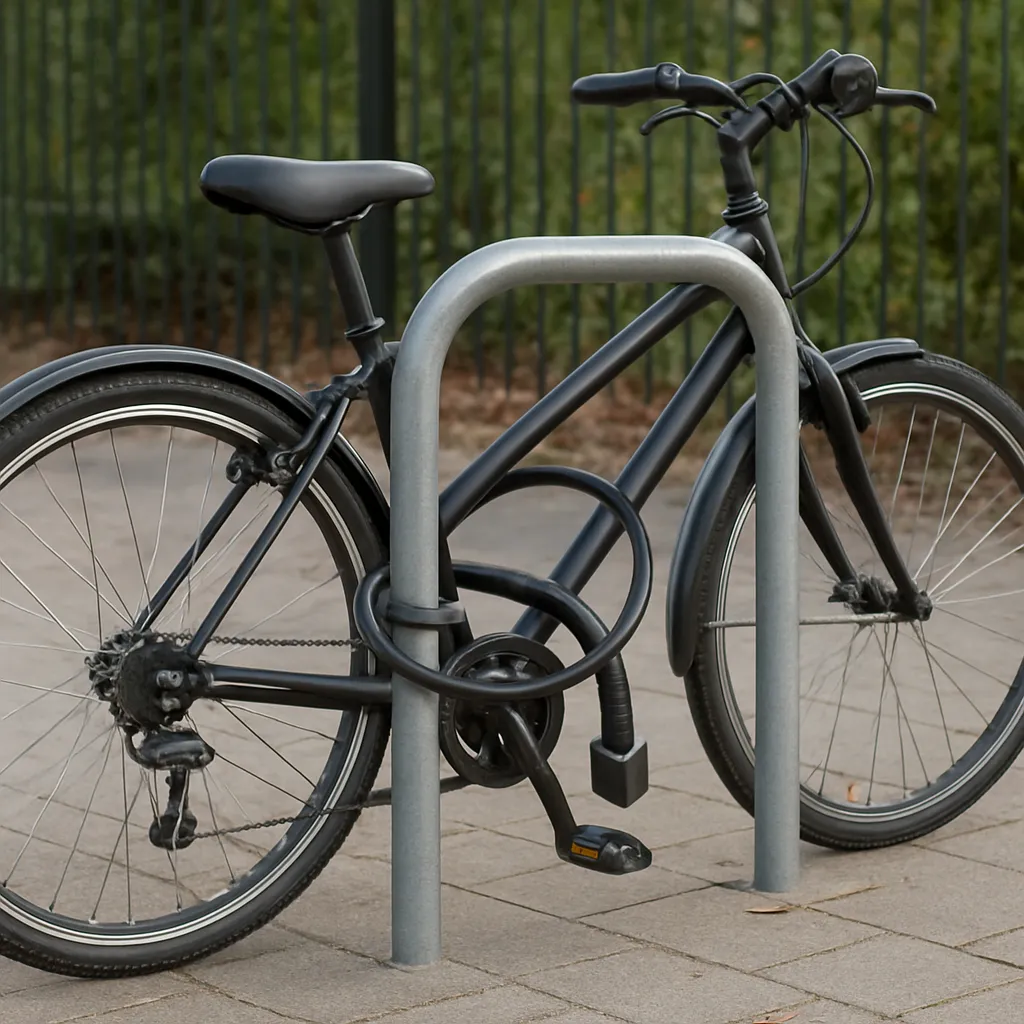
Cycling demands more than just physical strength; it requires a high level of concentration and mental agility to navigate changing terrains, respond to unexpected obstacles, and maintain optimal pace. Whether you’re tackling steep climbs, weaving through urban traffic, or embarking on a long-distance tour, staying alert and mentally sharp can make the difference between a rewarding ride and a dangerous mishap.
Understanding the Connection Between Cycling and Cognitive Performance
Exploring how the brain and body interact during cycling can reveal strategies to sharpen your mind on every pedal stroke. The rhythmic motion of cycling naturally boosts blood flow, which enhances oxygen delivery to the brain and supports cognitive functions like decision-making and reaction time. However, prolonged exertion also releases stress hormones such as cortisol, which—if not managed—can lead to mental fatigue and reduced focus.
The Role of Neurotransmitters and Blood Flow
During a ride, the body releases neurotransmitters such as dopamine and serotonin. These chemicals contribute to a sense of well-being and help regulate motivation. Meanwhile, increased cardiovascular activity enhances overall circulation, improving the brain’s ability to process information quickly. Maintaining a steady heart rate not only builds endurance but also fosters consistent neural activation throughout your journey.
Impact of Terrain and Speed on Alertness
Varying your pace and tackling different landscapes engage multiple neural pathways. For instance:
- Climbing steep inclines requires intense resilience and rapid decision-making to choose the best line up the hill.
- Descending at speed demands split-second judgment and razor-sharp visual processing to avoid hazards.
- Crosswinds and uneven surfaces force micro-adjustments in body position, keeping your brain fully engaged.
Techniques to Enhance Mental Focus on Rides
Improving your mental game while cycling involves adopting habits and exercises that train the mind to remain calm under pressure, maintain mindfulness, and recover quickly from lapses in concentration.
Mindful Breathing and Visualization
Before setting off, spend a few minutes in deep, controlled breaths. Inhale through the nose and exhale slowly through the mouth, visualizing each pedal stroke as a wave of energy cycling through your body. This practice:
- Reduces pre-ride anxiety by lowering cortisol levels.
- Channels your attention into the present moment, enhancing your ability to notice subtle changes in terrain.
- Builds a mental reserve to draw upon during challenging segments.
Structured Interval Training for Mental Agility
High-intensity interval sessions not only boost physical stamina but also improve your brain’s capacity to switch focus rapidly. A typical session might include:
- Short bursts of maximum effort (30–60 seconds) to simulate sudden hill climbs or escape moves.
- Recovery periods at moderate pace, during which you mentally rehearse upcoming efforts.
- Extension of intervals to build tolerance for sustained concentration.
Nutrition, Hydration, and Brain Chemistry
Fueling the brain is as crucial as fueling the muscles. Dehydration and low blood sugar can quickly impair memory, decision-making, and hand-eye coordination.
Optimizing Fuel with Balanced Macronutrients
Include a blend of carbohydrates, fats, and proteins in your ride nutrition plan:
- Complex carbs (whole grains, oats) release energy slowly, keeping blood glucose levels stable and supporting lasting resilience.
- Healthy fats (nuts, seeds, avocado) aid in the absorption of fat-soluble vitamins that protect nerve cells.
- Lean proteins (dairy, poultry, legumes) promote neurotransmitter production, reinforcing pathways for attention and concentration.
Hydration Strategies for Peak Mental Performance
Even mild dehydration—losing as little as 2% of body weight—can reduce alertness and impair complex task performance. To stay hydrated:
- Drink small amounts regularly, aiming for 200–300 ml every 15–20 minutes during moderate rides.
- Incorporate electrolytes (sodium, potassium) to maintain neural function and muscle control.
- Monitor urine color as a quick check: a light straw hue indicates proper balance.
Equipment and Riding Environments for Optimal Alertness
Choosing the right gear and planning routes can minimize distractions and help sustain your alertness throughout the journey.
Bike Setup to Reduce Cognitive Load
A well-fitted bicycle eases the strain on your body and mind. Key considerations include:
- Saddle and handlebar positioning to avoid unnecessary upper body tension.
- Ergonomic grips and gloves to improve tactile feedback and prevent numbness.
- Appropriate tire pressure and tread pattern based on terrain to enhance stability and reduce the need for constant micro-adjustments.
Route Planning and Environmental Awareness
Scouting your course in advance reduces mental clutter once the ride begins. Use digital tools or paper maps to note:
- Potential hazards (construction zones, loose gravel, sharp turns).
- Rest stops, water refill points, and shelter locations in case of sudden weather changes.
- Scenic stretches that offer mental breaks without compromising safety.
Maintaining Mental Recovery Off the Bike
Recovery is crucial for reinforcing neural connections formed during training and rides. Incorporate these practices into your routine:
Sleep and Neuroplasticity
Quality rest supports the consolidation of motor skills and strategic insights gained on the road. Aim for 7–9 hours of uninterrupted sleep, and consider:
- Establishing a consistent bedtime to regulate your circadian rhythm.
- Limiting screen exposure at least one hour before sleep to improve melatonin production.
Active Rest and Cross-Training
Low-impact activities like swimming, yoga, or light jogging promote blood flow to the brain, accelerating the removal of metabolic byproducts and sustaining mental resilience. Gentle stretching and foam rolling can also alleviate muscle tension that might distract you on your next ride.