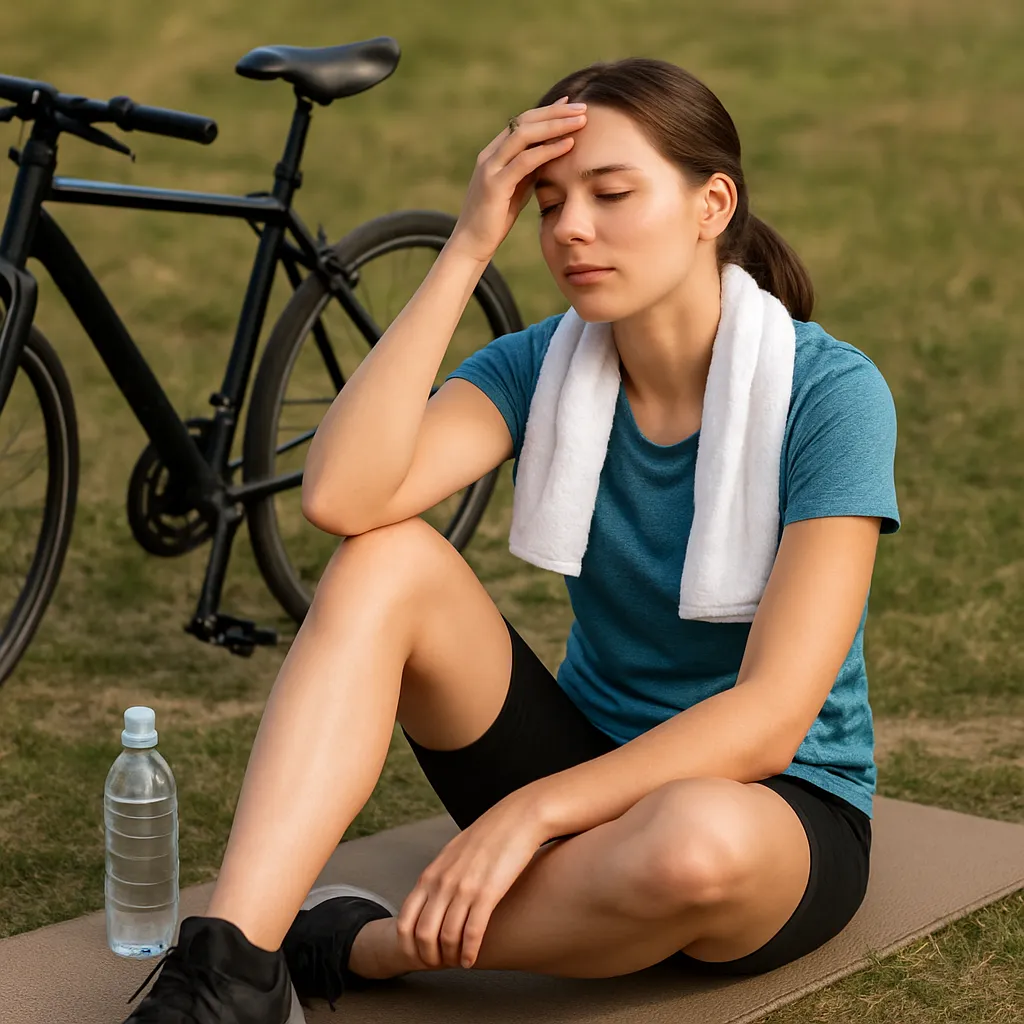
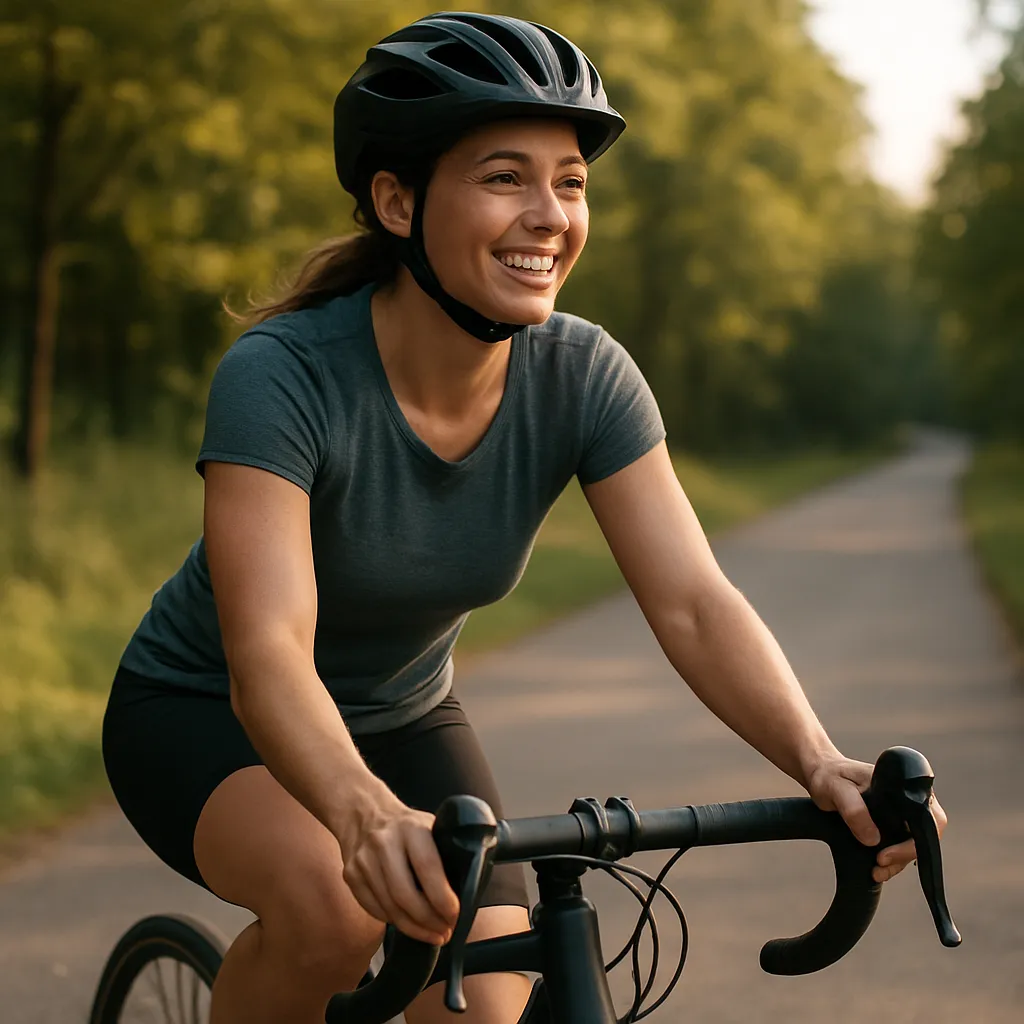
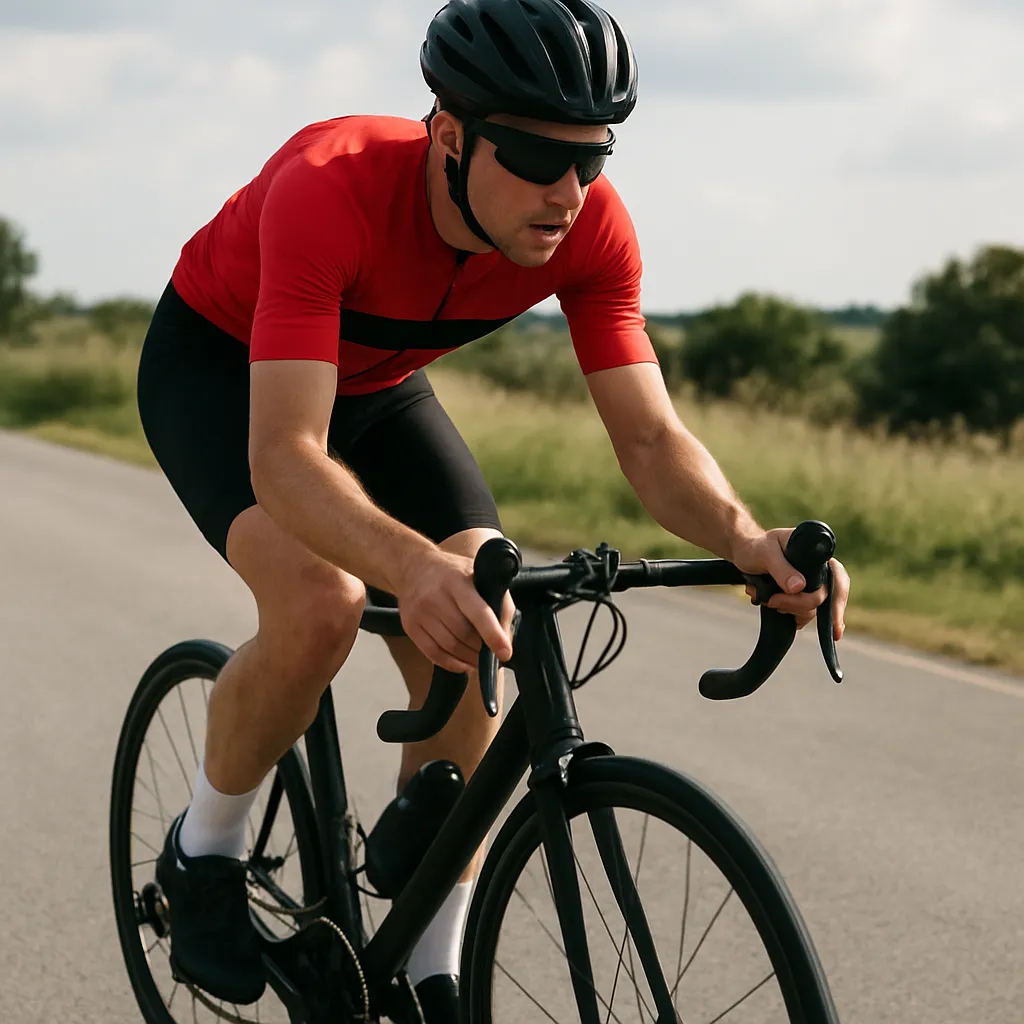
After pushing your limits on the saddle, effective recovery becomes crucial to maximize gains and prevent overuse injuries. Whether you’ve tackled steep climbs, sprinted on flat terrain, or completed a long-distance ride, the right post-ride routine will ensure your muscle fibers repair, energy stores refill, and your body adapts to handle future stress. This article outlines proven methods to optimize rest, nutrition, and active recovery for cyclists of all levels.
Importance of Recovery for Cycling Performance
Physiological Stress and Repair
Cycling at high intensities places significant stress on your cardiovascular system, neuromuscular network, and skeletal muscles. Microtears develop in muscle fibers, glycogen stores become depleted, and hydration levels drop. Without proper rest and nutritional support, performance plateaus or declines, and injury risk rises. Prioritizing recovery ensures the body repairs microdamage, replenishes energy, and strengthens itself for future rides.
Long-Term Adaptation
An adaptive response to training stress leads to improved endurance, power output, and fatigue resistance. This process unfolds primarily during recovery periods. Skipping or skimping on recovery sessions interrupts the natural cycle of stress, repair, and supercompensation. Consistent, well-structured recovery helps you ride faster, longer, and with reduced injury risk over months and years.
Optimal Nutrition Strategies Post-Ride
Carbohydrate Replenishment
Within the first 30–60 minutes after a hard effort, muscles are primed to absorb carbohydrates rapidly. Aim for 1.0–1.2 g of carbohydrates per kilogram of body weight during this window. Foods such as bananas, oatmeal, rice cakes, or sports drinks can restore glycogen stores efficiently.
Protein for Muscle Repair
Pair carbohydrate intake with 20–30 g of high-quality protein to provide amino acids for muscle repair and growth. Options include whey protein shakes, Greek yogurt, lean poultry, or plant-based protein powders. Combining carbs and protein promotes optimal anabolic signaling and speeds recovery.
Hydration and Electrolyte Balance
Hydration is essential following fluid losses from sweat. Prioritize plain water alongside electrolyte-rich beverages containing sodium, potassium, and magnesium. Coconut water, sports drinks, or homemade solutions with salt and fruit juice can reinstate fluid balance and prevent muscle cramps.
Anti-Inflammatory Nutrients
Incorporating foods rich in omega-3 fatty acids (e.g., salmon, chia seeds), antioxidants (berries, cherries), and polyphenols (dark chocolate, green tea) helps manage inflammation and oxidative stress induced by intense rides. These compounds support cellular repair and reduce muscle soreness.
Active Recovery Techniques
- Easy Spin: A light 30–60 minute ride at low intensity flushes metabolic byproducts and promotes blood flow to fatigued muscles.
- Cross-Training: Activities like swimming or yoga maintain cardiovascular fitness while targeting different muscle groups.
- Stretching: Gentle static and dynamic stretching of the hips, hamstrings, quads, and calf muscles reduces stiffness and improves flexibility.
- Foam Rolling: Self-myofascial release with a foam roller or massage stick alleviates knots and enhances muscle suppleness.
- Massage: A professional or self-massage session increases circulation, eases tension, and accelerates recovery.
The Power of Rest and Sleep
Quality sleep is the cornerstone of recovery. During deep sleep stages, the body secretes growth hormone, which orchestrates tissue repair and muscle growth. Aim for 7–9 hours of uninterrupted sleep per night. Establish a consistent bedtime routine—dim lights, cool temperature, and limited screen exposure—to optimize sleep architecture. Short naps (20–30 minutes) can also boost alertness and provide an extra recovery boost on particularly demanding training days.
Cold and Heat Therapies
Cold-Water Immersion
Submerging in ice baths or cold showers constricts blood vessels, reducing swelling and inflammation in overloaded muscles. Limit sessions to 10–15 minutes at 10–15 °C (50–59 °F) to avoid excessive vasoconstriction.
Contrast Therapy
Alternating between cold and warm water immersion (3–5 minutes cold, 3–5 minutes warm, repeat 3–5 times) creates a pumping action in blood vessels. This promotes waste removal and nutrient delivery to fatigued tissues.
Sauna and Heat Exposure
Heat therapies, such as sauna sessions, induce vasodilation, improve circulation, and relieve muscle stiffness. Combine with hydration strategies to offset fluid loss through sweat.
Supplemental Recovery Aids
- Branched-Chain Amino Acids (BCAAs): May reduce exercise-induced muscle damage and accelerate soreness reduction when taken around workouts.
- Creatine: Supports cellular energy replenishment, particularly during repeated high-intensity efforts.
- Collagen & Vitamin C: Promote connective tissue health and joint resilience.
- Magnesium: Aids muscle relaxation, nerve function, and sleep quality.
Tracking Progress and Adaptation
Monitoring recovery metrics enables data-driven decisions. Use heart rate variability (HRV), resting heart rate, sleep trackers, and subjective wellness scales to gauge readiness for training. If indicators slump—persistent fatigue, elevated resting heart rate, irritability—scale back volume or intensity and emphasize recovery interventions. As adaptation occurs, progressively increase training loads, ensuring you remain within your body’s capacity to recover.
Integrating Recovery into Training Plans
Design your weekly schedule with built-in recovery days. Balance hard efforts with easy rides and consider periodization models that alternate loading and deloading phases. Consistent application of recovery protocols—from post-ride snacks to sleep hygiene—creates a foundation for lasting performance improvements.
Conclusion
Mastering recovery is as vital as any training session. By blending targeted nutrition, active recovery, rest, and therapeutic interventions, cyclists can accelerate repair processes, boost resilience, and unlock peak performance on every ride. Prioritize these strategies consistently to ride stronger, recover faster, and enjoy the journey toward your cycling goals.