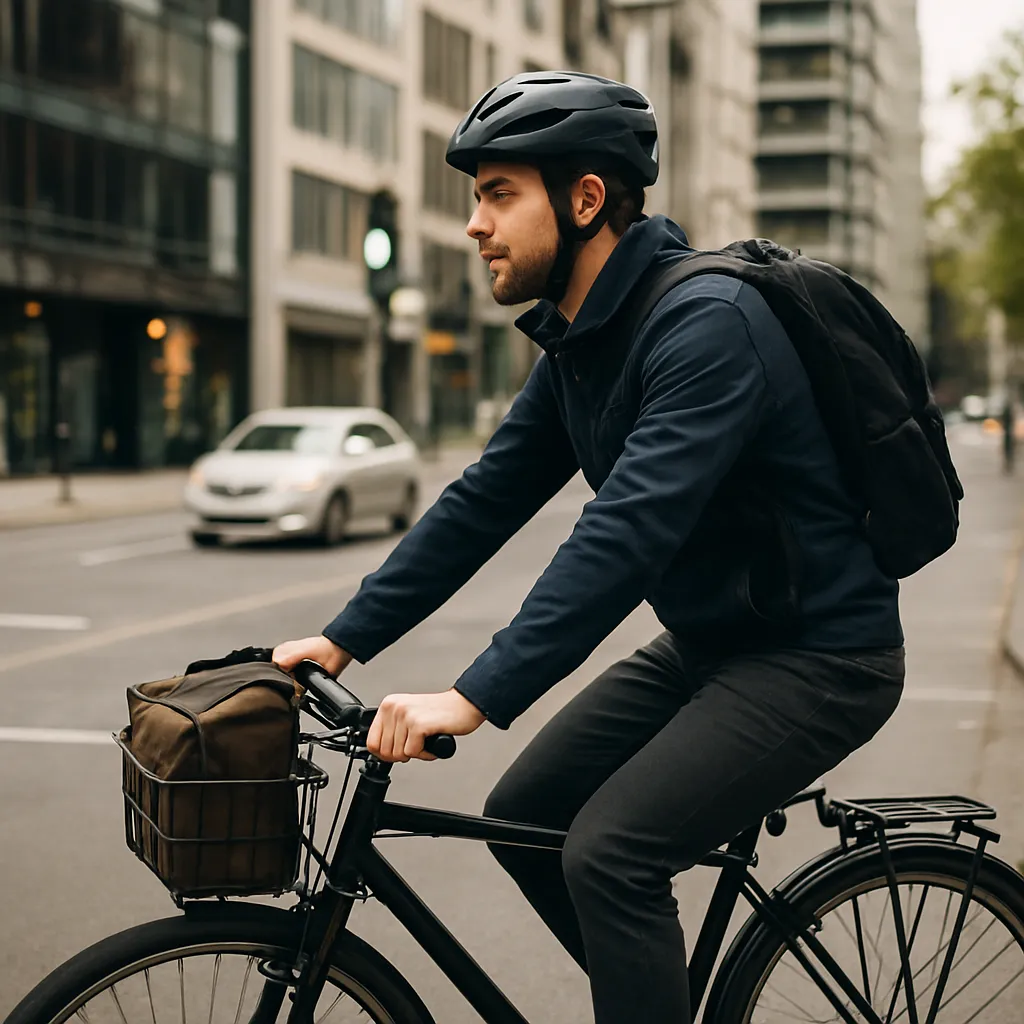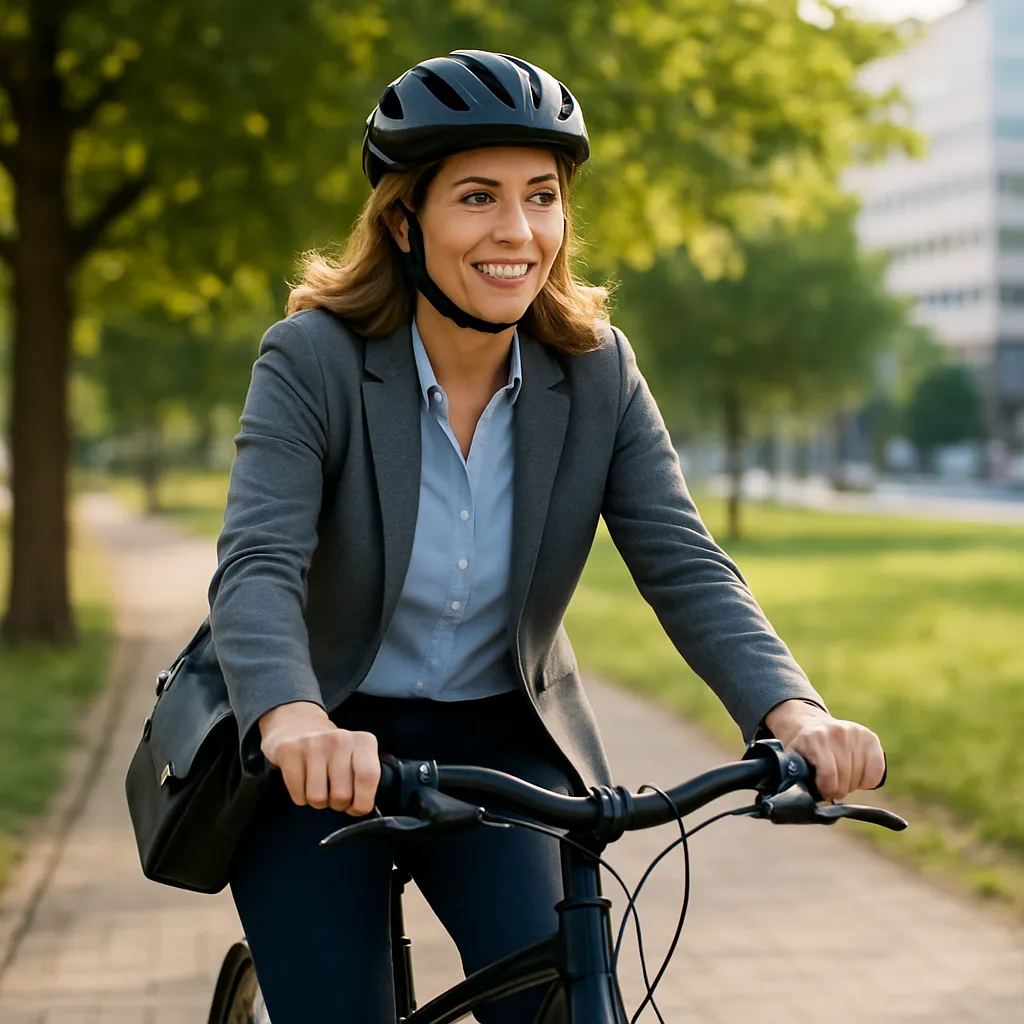
Cycling to work every day transforms a mundane routine into an opportunity for growth, vitality, and environmental stewardship. Embracing pedals over petrol not only enhances personal fitness but also contributes to broader societal benefits. The following exploration highlights compelling advantages that make daily bike commuting a smart choice for modern professionals.
Health Advantages of Daily Cycling
Regular cycling stimulates the cardiovascular system and strengthens muscles with minimal joint impact. Riders often experience improved cardiovascular health, elevated mood, and boosted endurance over time. Unlike high-impact workouts, pedaling applies gentle pressure on knees and hips, reducing injury risk while delivering a full-body workout.
Boosting Mental Well-Being
- Enhanced serotonin levels reduce stress and anxiety.
- Exposure to fresh air and sunlight supports vitamin D production.
- Achieving daily goals fosters a sense of accomplishment.
In addition, commuters often report sharper focus throughout the workday. The combination of rhythmic motion and exposure to varied scenery can calm the mind, preparing individuals for demanding tasks or creative challenges.
Strength and Stamina
- Core muscles engage to maintain balance and posture.
- Leg muscles develop power without the need for heavy weights.
- Consistent training elevates metabolic rate, aiding in weight management.
By establishing a routine that involves uphill climbs or interval sprints, cyclists can tailor intensity levels according to personal goals, whether aiming for marathon training or simply preserving functional fitness.
Environmental Impact and Sustainability
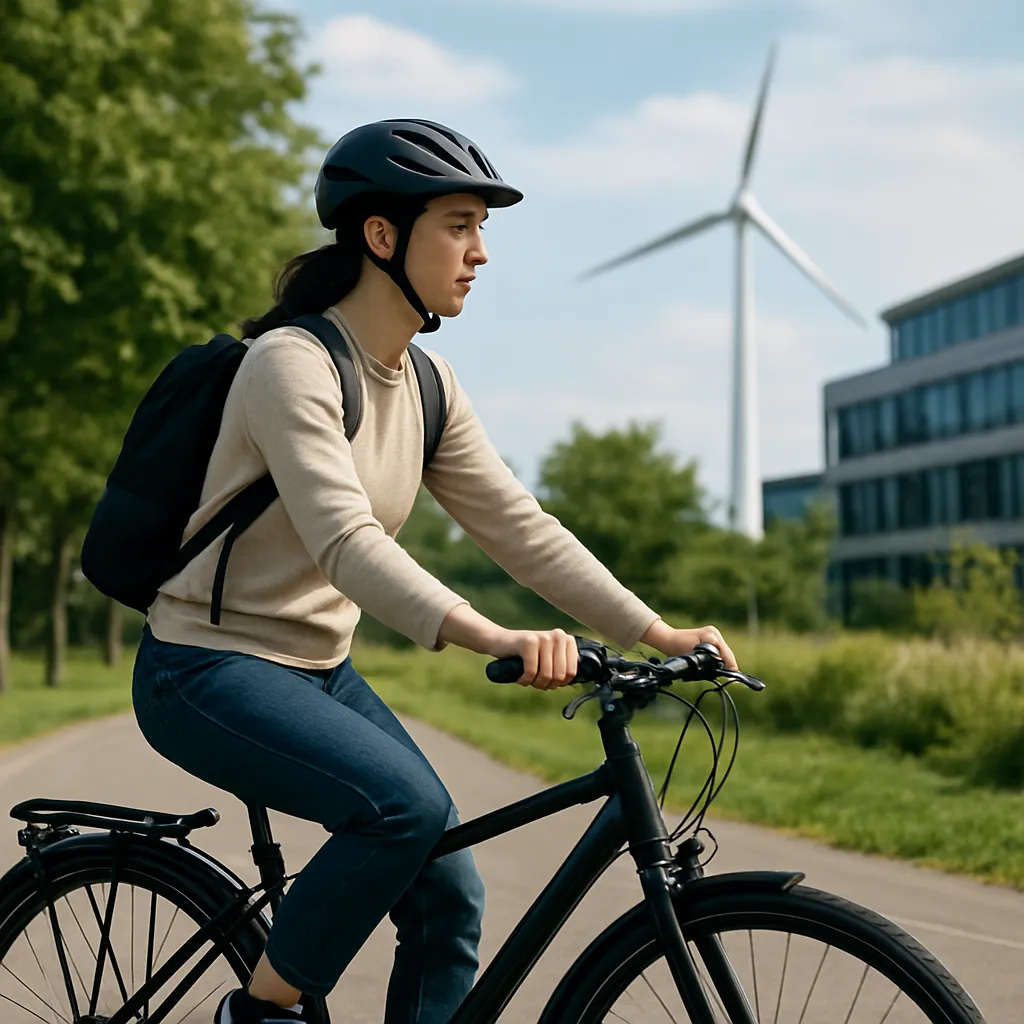
Opting for a bike instead of a car drastically lowers one’s carbon footprint. Each kilometer cycled replaces emissions that would otherwise contribute to air pollution and climate change. This simple shift promotes sustainability and reduces reliance on fossil fuels.
Reduced Urban Congestion
- Fewer vehicles on the road ease traffic bottlenecks.
- Safer streets encourage families to spend time outdoors.
- Noise pollution decreases, improving communal well-being.
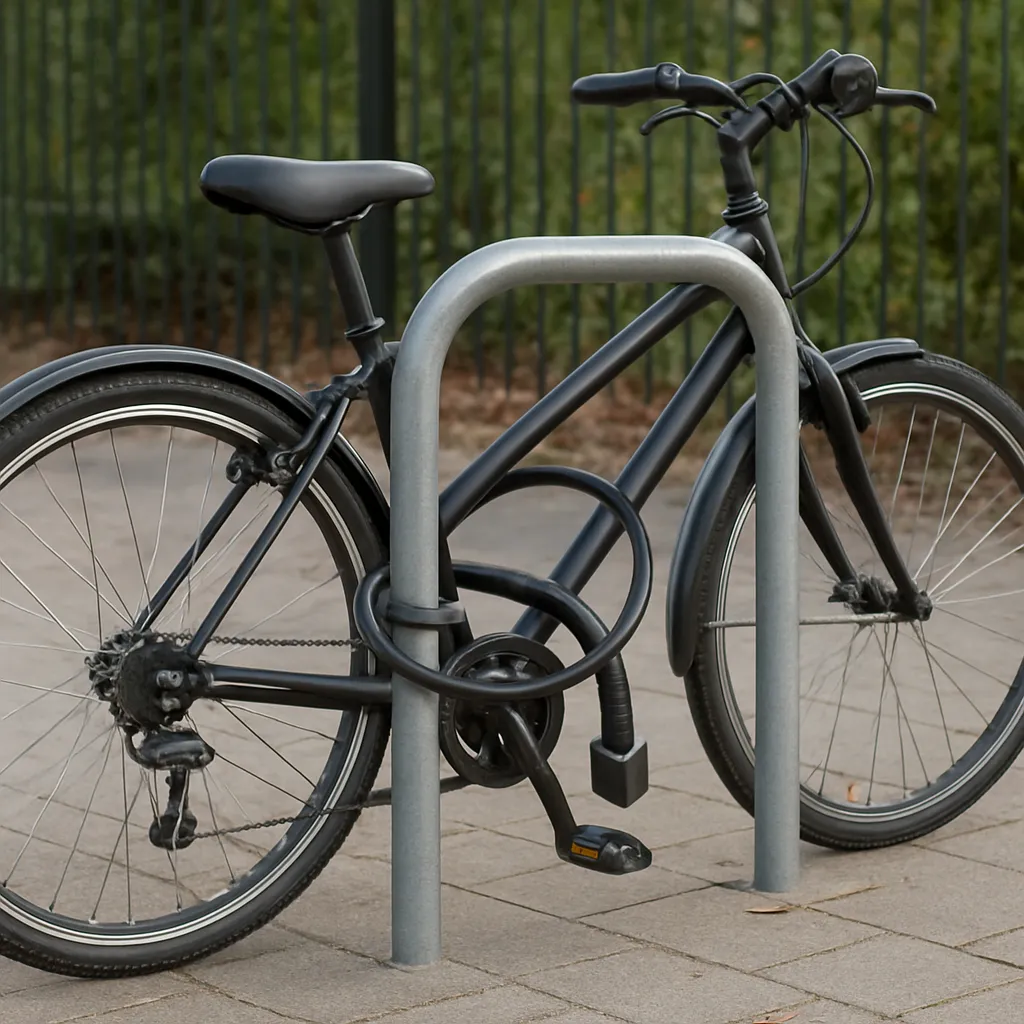
Cities that invest in dedicated bike lanes and secure parking witness a virtuous cycle: increased cycling leads to cleaner air, which attracts more potential riders, further relieving traffic and enhancing quality of life.
Resource Efficiency
- Bikes require fewer materials and energy to manufacture than cars.
- Ongoing maintenance demands are modest, typically involving simple repairs.
- Urban space dedicated to parking bikes instead of vehicles frees land for parks or pedestrian zones.
By prioritizing two wheels over four, communities can allocate resources more effectively, ensuring greener, more inclusive public spaces.
Economic Benefits for Commuters
Switching to a bike can lead to significant savings over time. From reduced fuel expenses to lower insurance and parking fees, the financial advantages accumulate quickly. Many employers also offer incentives, such as tax benefits or subsidies for employees who commute by bicycle.
Cost of Ownership
- Basic bicycles cost a fraction of entry-level cars.
- Routine servicing often involves DIY-friendly tasks like chain lubrication or brake adjustments.
- Replacement parts (tires, tubes, cables) remain affordable and widely available.
The initial investment in quality gear—helmet, lights, and reflective clothing—pays for itself through long-term expense reduction. Additionally, eliminating monthly parking charges in dense urban areas can free up hundreds of dollars annually.
Increased Productivity
- Arriving energized and ready to tackle tasks enhances performance.
- Short bursts of exercise boost post-lunch alertness and concentration.
- Regular breaks from sedentary office routines lower absenteeism due to illness.
Employers may notice fewer healthcare claims and higher morale among staff who incorporate cycling into their daily routine. This virtuous feedback loop benefits both individual budgets and corporate bottom lines.
Practical Tips for a Smooth Bike Commute
Successful daily cycling hinges on preparation and consistent habits. Attention to equipment, planning, and safety ensures an enjoyable experience, regardless of weather or distance.
Choosing the Right Bike
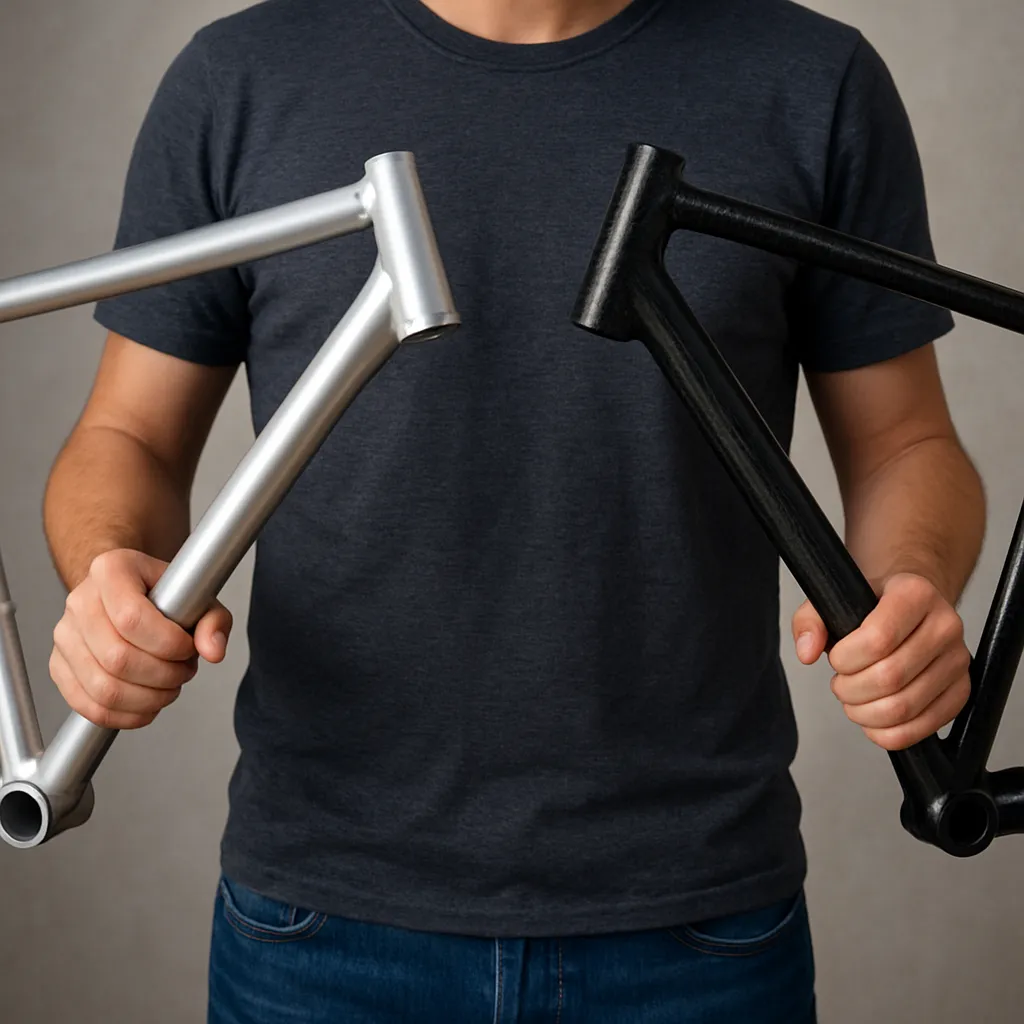
- City or hybrid models offer upright comfort and durable frames.
- Electric-assist bikes provide extra torque for longer distances or hilly terrain.
- Folding bicycles simplify storage and multimodal commutes involving trains or buses.
Selecting the appropriate bike type enhances comfort, speed, and overall convenience, making daily rides something to look forward to rather than a chore.
Gear and Maintenance
- Install front and rear lights for visibility during dawn or dusk.
- Use waterproof panniers or backpacks to protect clothing and electronics.
- Carry a basic repair kit: tire levers, a spare tube, and a mini pump.
Frequent maintenance checks—tightening bolts, inflating tires to proper pressure, and monitoring brake wear—prevent unexpected breakdowns. A reliable commuter is a safe commuter.
Route Planning and Time Management
- Scout quiet backstreets or dedicated bike paths to avoid heavy traffic.
- Account for potential delays, such as traffic lights or construction zones.
- Build flexibility into your schedule to accommodate sudden weather changes.
Mapping multiple routes allows you to switch lanes or alter distances as needed. Many smartphone apps provide real-time data on air quality, traffic density, and elevation profiles to help optimize your journey.
Seasonal Considerations
- Layered clothing and moisture-wicking fabrics keep riders warm and dry.
- Studded tires increase traction on icy or snowy roads.
- Quick-dry gear and fenders guard against splashes during rainy spells.
By adapting gear and technique to seasonal fluctuations, cyclists maintain consistency throughout the year, reinforcing habits that underpin long-term success.
Enhancing Community and Culture
Communities built around cycling often exhibit stronger social bonds. Group rides, local advocacy, and bike-friendly events foster connection and shared purpose. When neighborhoods prioritize two-wheeled travel, residents collaborate on infrastructure improvements, safety campaigns, and communal gatherings.
Building Support Networks
- Joining a cycling club offers mentorship opportunities and collective motivation.
- Peer-led workshops teach repair skills and safe riding practices.
- Cycling meetups stimulate local economies through sponsorships and vendor partnerships.
Such networks reinforce commitment, turning solo commutes into engaging group endeavors that benefit individuals and society alike.
Advocacy and Infrastructure
- Community lobbying leads to expanded bike lanes and secure racks.
- Data-driven studies on ridership inform city planning decisions.
- Collaborations with local governments ensure maintenance of green corridors.
Active participation in advocacy groups empowers cyclists to shape public policy, ensuring that future urban designs reflect the needs of diverse commuters.