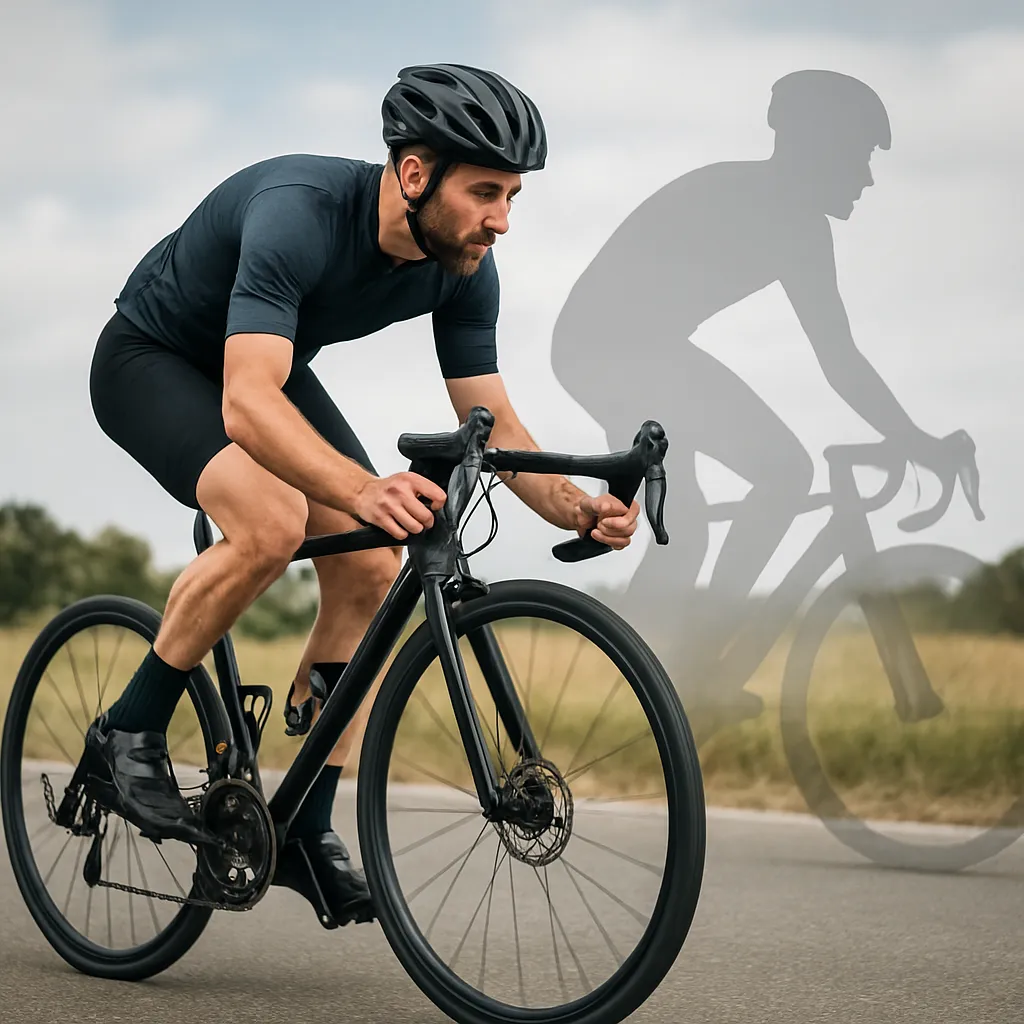
Improving sprint performance on the bike requires a blend of targeted workouts, precise nutritional strategies, and optimized equipment choices. Whether you’re a competitive racer or an enthusiast looking to push your limits, understanding the multifaceted approach to maximizing sprint power can transform your rides. This article delves into three core areas—training, nutrition, and bike setup—to help you achieve faster, stronger, and more explosive sprints.
Training Techniques to Boost Sprint Power
Building exceptional sprint ability starts with structured training that focuses on neuromuscular adaptation, explosive force development, and muscular coordination. Sprinting on a bicycle demands a unique combination of peak torque, precise timing, and efficient energy transfer. Incorporating the following methods into your routine will help you generate greater power and lasting speed when you push down the pedals.
High-Intensity Interval Training (HIIT)
- Include short bursts of all-out efforts lasting 10–20 seconds, followed by 2–4 minutes of active recovery.
- Perform 6–10 repeats at maximum intensity to target fast-twitch muscle fibers and improve anaerobic capacity.
- Vary recovery durations to challenge your body’s ability to clear lactate and maintain high-quality efforts.
Strength and Resistance Workouts
- Integrate lower-body lifts such as squats, deadlifts, and lunges to strengthen glutes, quads, and hamstrings.
- Use single-leg exercises to address muscular imbalances and enhance pedal stroke technique.
- Perform plyometric drills—box jumps, squat jumps, and bounding—to train explosive force production.
- Apply resistance bands on the chainstay or a stationary trainer to simulate sprinting under load and boost leg drive.
Neuromuscular Drills and Cadence Work
- Execute cadence sprints at 100–120 RPM for 10–15 seconds to refine pedal stroke cadence and timing.
- Practice “dead spot” drills: pedal slowly at 40–50 RPM to develop smooth torque application through the bottom and top of the pedal stroke.
- Combine high-cadence segments with low-cadence force intervals to train your nervous system for variable power outputs.
Optimizing Nutrition and Recovery
A well-designed nutrition plan and deliberate recovery protocols are crucial to sustain the hard efforts required for sprint training. Proper fueling ensures your muscles have adequate glycogen stores, while recovery strategies help repair tissue and reduce fatigue for consistent progression.
Fueling for Performance
- Consume a carbohydrate-rich meal 2–3 hours before training to top up glycogen levels—think whole grains, fruits, and low-fat dairy.
- Include moderate protein (~20–30 g) pre-workout to support muscle synthesis, such as Greek yogurt or a lean turkey sandwich.
- During extended sessions, sip on a 6–8% carbohydrate drink to maintain blood glucose and delay fatigue.
- Post-ride, aim for a 3:1 or 4:1 carb-to-protein ratio within 30 minutes to maximize recovery and glycogen replenishment.
Hydration and Electrolyte Balance
- Monitor sweat rate by weighing yourself before and after rides; replace each pound lost with ~500–700 ml of fluid.
- Add sodium, potassium, and magnesium to maintain nerve conduction and muscle contraction efficiency.
- Consider natural sources like coconut water or electrolyte tablets for extended or hot-weather sessions.
Rest and Active Recovery
- Schedule at least one full rest day per week; avoid intense efforts to allow the central nervous system to recuperate.
- Use light spin sessions, yoga, or swimming to promote blood flow and facilitate waste product removal.
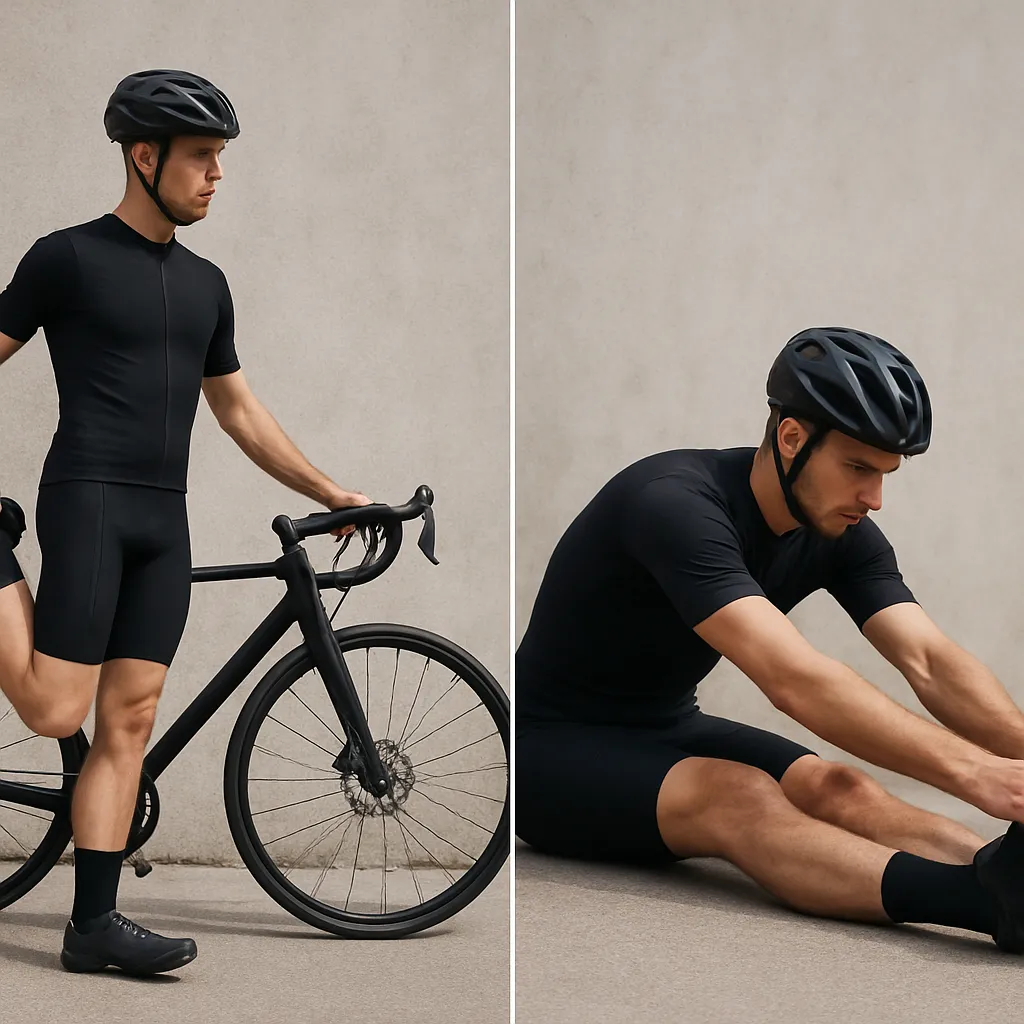
- Incorporate foam rolling, dynamic stretching, and massage to reduce muscle soreness and maintain flexibility.
Bike Setup, Equipment, and Technology
Beyond physical conditioning, fine-tuning your bicycle and leveraging modern technology can unlock additional gains in sprint potency. From gear selection to performance monitoring, each adjustment helps you harness maximum energy transfer and efficiency.
Proper Bike Fit and Positioning
- Ensure saddle height allows a slight knee bend (25–35°) at the bottom of the pedal stroke for optimal force application.
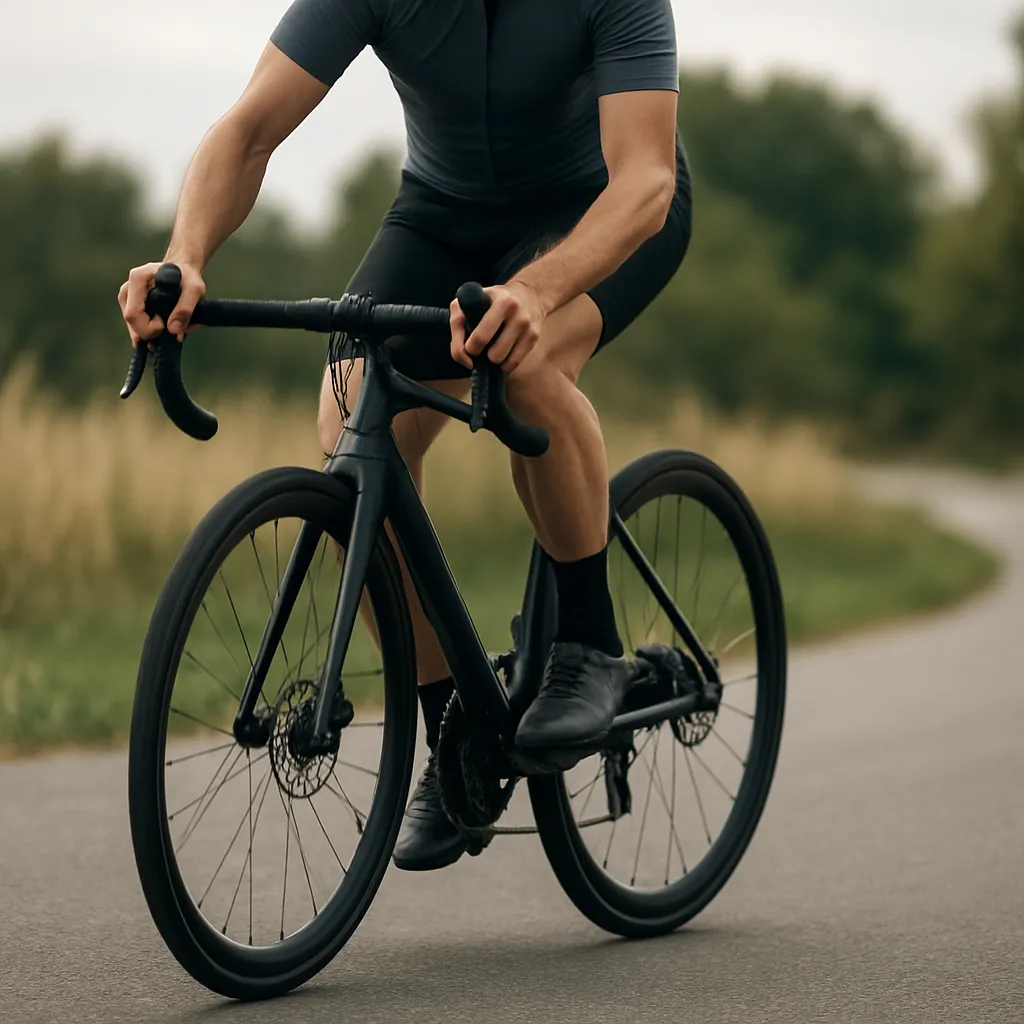
- Adjust handlebar reach and drop to maintain a stable torso position, reducing unwanted upper-body movement during sprints.
- Consider a professional fit to analyze joint angles and biomechanics, minimizing injury risk and maximizing pedaling efficiency.
Choosing the Right Gear Ratios
- Select a gear that enables 90–110 RPM at maximal effort to balance rotational speed with force output.
- Experiment with slightly larger chainrings for more resistance on short, steep launches; smaller rings can help on flatter tracks requiring rapid acceleration.
- Practice shifting techniques so transitions under pressure are seamless and avoid power interruptions.
Advanced Monitoring Tools
- Power meters provide real-time feedback on your sprint wattage, helping you track improvements and pace efforts accurately.
- Heart rate monitors and GPS devices allow you to map intervals, monitor fatigue, and adjust intensity zones.
- Smart trainers and mobile apps can simulate race scenarios, measure peak threshold power, and customize workouts for targeted progression.
Lightweight Components and Aerodynamics
- Opt for aerodynamic wheels, streamlined helmets, and fitted clothing to cut drag and maintain speed gains from your efforts.
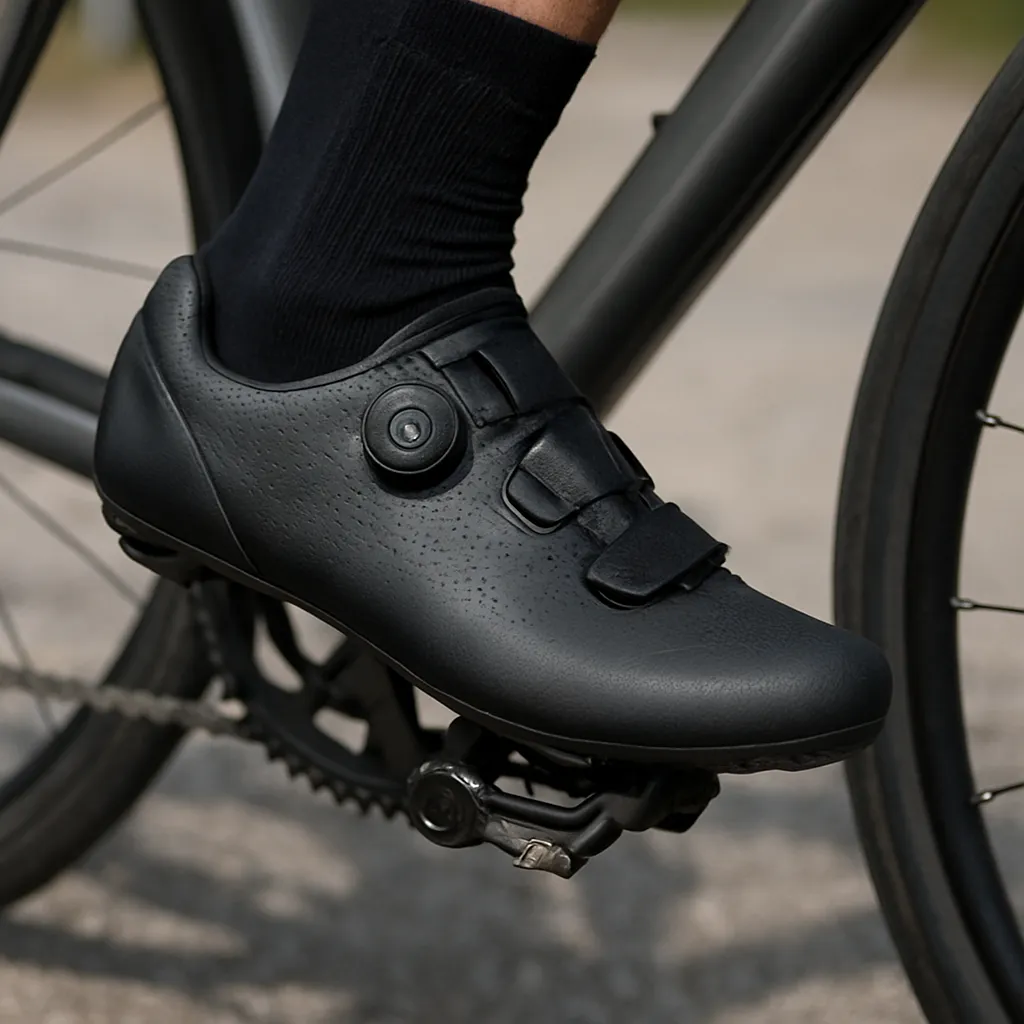
- Use a stiff frame and secure pedals to eliminate energy loss during maximal sprints.
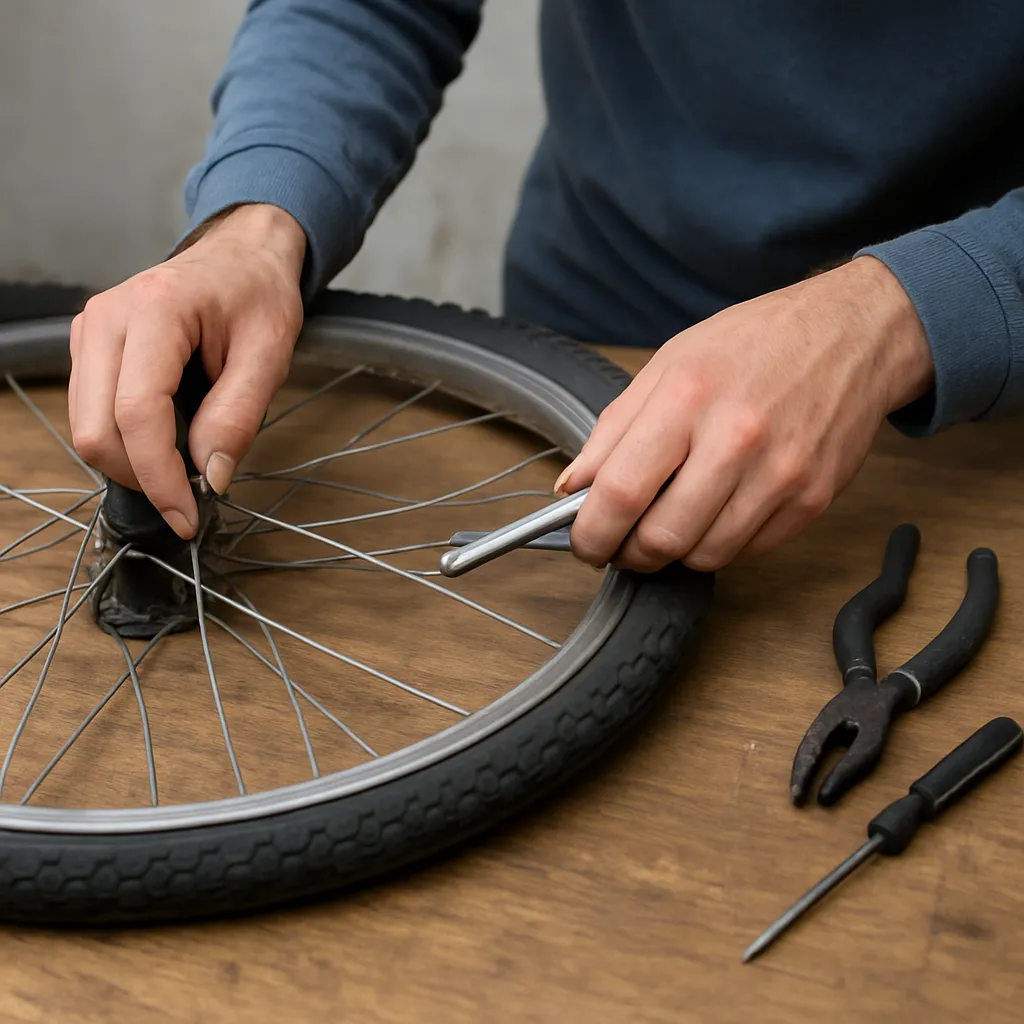
- Regularly service bearings, chains, and drivetrains to reduce friction and preserve mechanical efficiency.
Integrating Everything into a Cohesive Program
Combining targeted workouts, nutrient timing, and an optimized bike setup demands careful planning and consistent evaluation. Track your metrics, review performance data, and progressively overload your workouts to see continuous improvement. Whether your goal is a final sprint in a criterium, a breakaway launch, or simply the thrill of explosive acceleration, blending these elements will empower you to unlock your highest potential on two wheels.