Cycling long distances can be exhilarating, but staying comfortable throughout the ride requires more than just pedaling hard. Proper preparation, the right gear, and smart strategies help maintain energy levels and prevent soreness. This guide explores practical methods to ensure every mile feels smoother and more enjoyable.
Getting the Right Equipment
Choosing suitable gear sets the foundation for a comfortable ride. A few key components can make a significant difference in how your body feels after hours on the bike.
- Saddle Selection: Invest in a saddle that complements your anatomy. Wider saddles with gel inserts often offer extra cushion, while racing saddles focus on weight savings and posture.
- Seatpost Shock Absorption: Consider a suspension technique built into the seatpost or saddle rails to dampen road vibrations.
- Handlebars and Stem: Adjust the reach and height to support a neutral wrist angle. Drop bars, flat bars, or ergonomic grips can improve overall comfort.
- Tires and Wheels: Wider tires run at lower pressures, providing better road compliance and reducing fatigue. Tubeless setups can further enhance ride quality by allowing even lower pressures without pinch flats.
Bike Fit and Adjustments
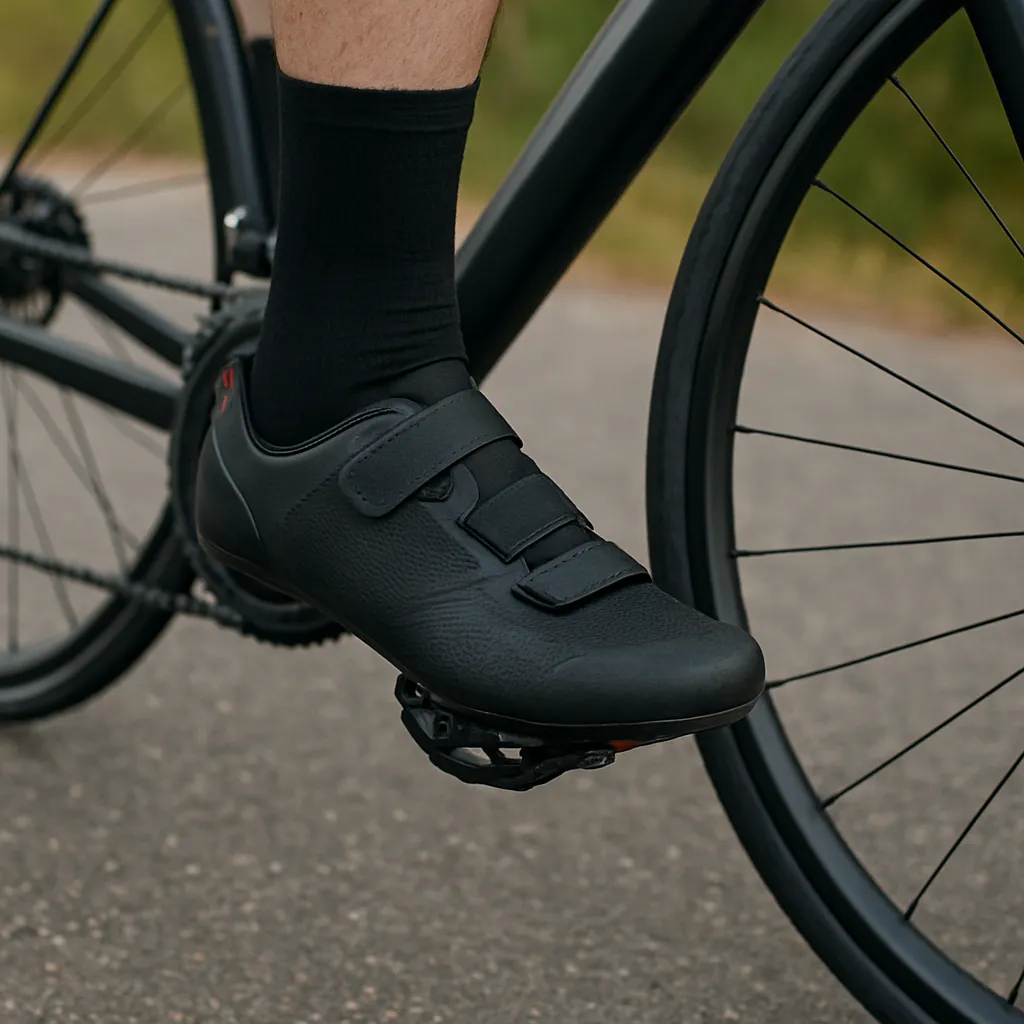
A professional fit can refine saddle height, fore-aft position, handlebar drop, and cleat placement. Even small tweaks often yield large comfort gains by optimizing power transfer and minimizing joint strain. Periodic reassessments are valuable, especially if you change bikes or major components.
Maintaining Proper Posture and Fit
Correct body alignment increases efficiency and prevents aches. Focus on technique and dynamic adjustments throughout the ride.
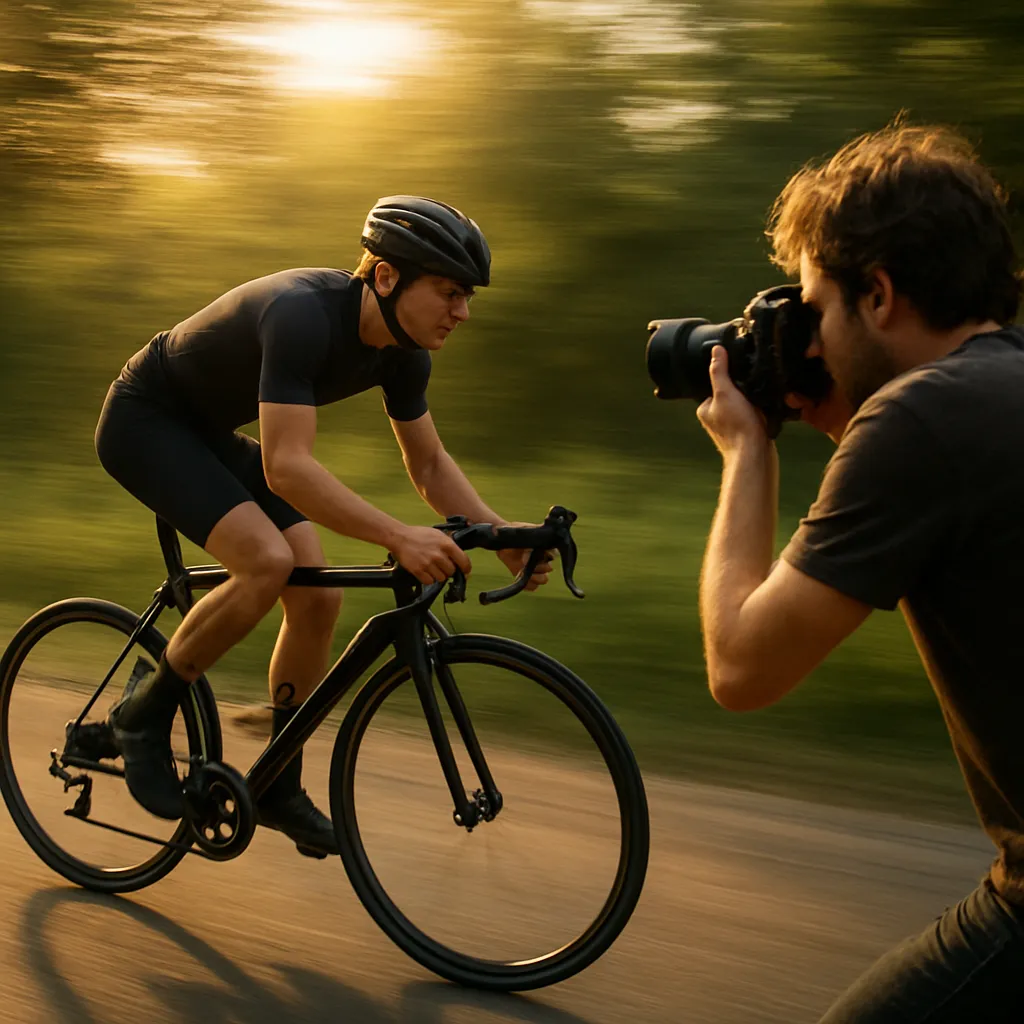
- Neutral Spine: Keep your back slightly arched, not rounded. This position reduces lower back stress and allows better breathing.
- Relaxed Shoulders: Tension in the upper body leads to neck pain. Shake out your arms or change hand positions frequently to release built-up tension.
- Elbow Flex: A slight bend in the elbows acts as a natural shock absorber when encountering rough terrain or bumps.
- Hip Rotation: Allow minimal movement at the hips to accommodate pedal stroke without excessive side-to-side rocking, which can damage soft tissues over time.
Core Strength and Flexibility
Engaging your core stabilizes the torso, maintaining posture while conserving energy. Incorporate exercises like planks and gentle yoga to improve flexibility and support the cycling stance. Stretching hip flexors, hamstrings, and the lower back both pre-ride and post-ride helps prevent tightness and promotes recovery.
Clothing, Nutrition, and Rest
Lycra and sweat-wicking fabrics are not just for looks—they serve specific comfort functions on long tours.
- Cycling Shorts: Padded bib shorts distribute pressure evenly and eliminate waistband pressure. Ensure the chamois aligns precisely with your anatomy.
- Layering: Dress in layers to manage body heat, using breathable jerseys with mesh panels for optimal airflow. Arm and leg warmers can be added or removed based on temperature.
- Gloves and Socks: Padded gloves reduce handlebar numbness, and performance socks keep feet dry, preventing blisters during extended efforts.
- Eyewear and Helmet: A well-ventilated helmet keeps you cool, while UV-blocking sunglasses shield your eyes from sun, wind, and debris.
Hydration and Fueling
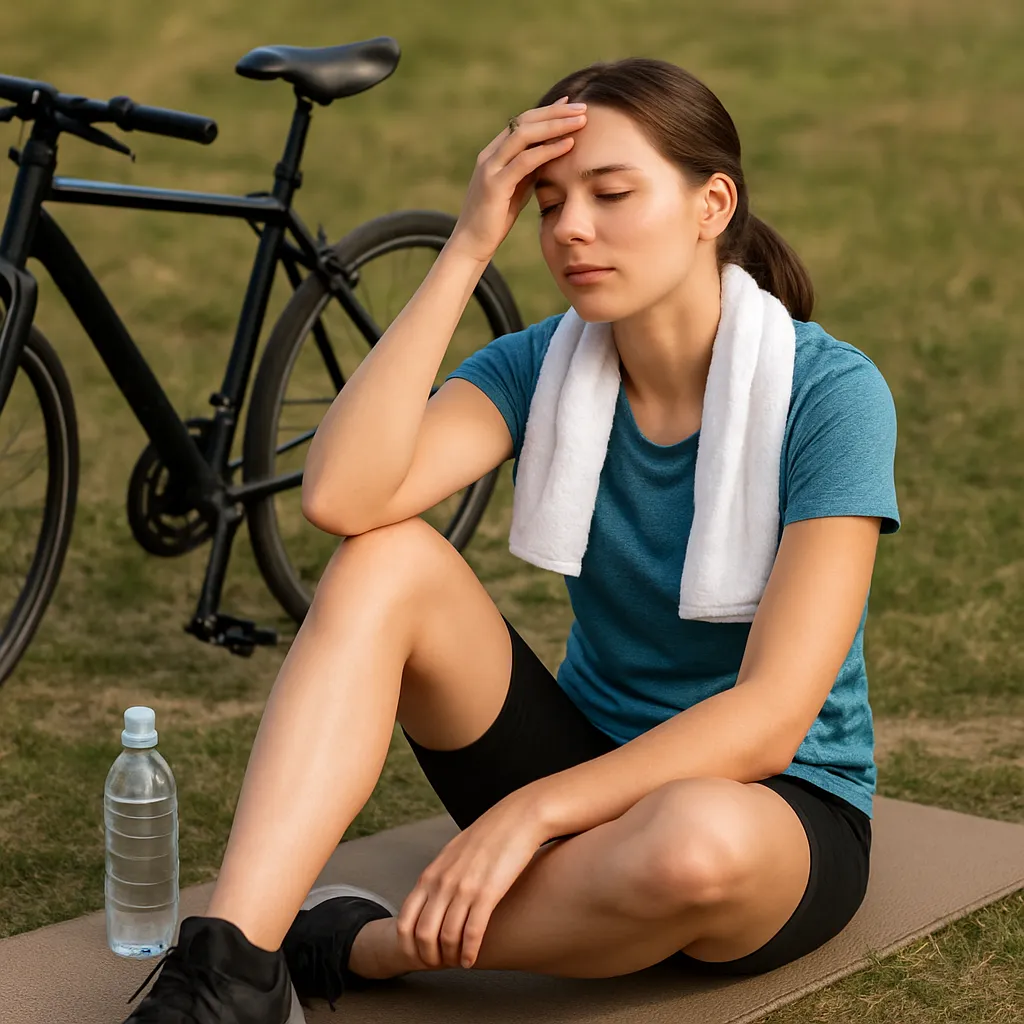
Staying hydrated and properly fueled is essential for sustained endurance. Dehydration and glycogen depletion lead to cramping, fatigue, and decreased focus.
- Hydration Strategy: Drink small amounts every 15–20 minutes. Electrolyte-rich drinks help maintain sodium and potassium levels, especially on hot days.
- Nutrition Tips: Consume easily digestible carbohydrates like energy bars, gels, or fruit every 45–60 minutes. Balance with proteins or fats for longer rides exceeding three hours.
- Pre-Ride Meal: Eat a meal rich in complex carbs and moderate protein two to three hours before the start to top off glycogen stores.
- Recovery Snacks: Post-ride nutrition with a 3:1 carb-to-protein ratio accelerates muscle recovery and reduces soreness.
Pacing, Breaks, and Mental Strategies
A well-paced ride avoids early burnout and keeps energy reserves for later segments. Smart breaks and mental techniques also contribute to overall comfort.
- Even Effort: Use a power meter or heart rate monitor to maintain consistent effort. Avoid surges that spike fatigue.
- Scheduled Stops: Plan short breaks every 45–60 minutes to stretch, hydrate, and refuel. Standing off the bike for a minute or two helps blood circulation and eases muscle stiffness.
- Mental Focus: Break the ride into smaller segments, using landmarks or duration goals. Celebrating minor achievements keeps motivation high.
- Group Tactics: Riding in a group allows drafting, which conserves energy by reducing wind resistance.
Managing Discomfort
If you notice hotspots or numbness, stop and make quick on-the-go adjustments. Apply chamois cream to reduce friction, reposition on the saddle, or alter handlebar height if equipped with a quick-release stem. Addressing issues early prevents minor problems from becoming major pains.
Maintenance and Long-Term Care
Regular upkeep of your bike and body prolongs comfort on every ride.
- Bike Maintenance: Keep drivetrain components clean and well-lubricated. Properly inflated tires and well-aligned brakes contribute to a smooth ride.
- Strength Training: Incorporate off-bike exercises focusing on legs, glutes, and core. Strong muscles support good form and distribute effort more evenly.
- Flexibility Routines: Yoga or dedicated stretching sessions after each ride relieve tension in the hip flexors, lower back, and shoulders.
- Sleep and Recovery: Adequate rest between long rides allows muscles to repair. Aim for 7–9 hours of quality sleep to optimize performance and comfort.
Seasonal Considerations
Adjust your strategies based on weather and terrain. In colder months, focus on layering and warm-up drills to maintain circulation. During summer, emphasize hydration, sunscreen application, and choosing shaded routes to combat heat stress.
Embracing the Journey
Long rides are as much about the experience as they are about endurance. By combining the right gear, balanced nutrition, smart pacing, and attentive maintenance, you’ll maximize comfort and enjoyment. Each ride becomes an opportunity to refine your approach, discover new routes, and push your personal boundaries with confidence.