Embarking on a cycling journey brings excitement and challenges alike. Many beginners find themselves overwhelmed by choices in equipment, overwhelmed by traffic dynamics, or frustrated by unexpected aches and punctures. Understanding common pitfalls early on can transform a tentative ride into a confident adventure. Here’s an in-depth look at the top mistakes new cyclists make and practical strategies to avoid them.
Equipment and Fit Errors
A well-chosen bicycle and correctly adjusted gear are the foundation for enjoyable rides. Unfortunately, many newcomers overlook essential factors.
Improper Bicycle Fit
- Seat height too low or too high leads to knee strain and reduced performance.
- Reach to the handlebars that’s off can cause back and neck pain, hampering comfort.
- Standover height misjudgment increases the risk of injury when stopping.
Solution: Visit a reputable bike shop for a professional fit. Ensure your knee has a slight bend at the bottom of the pedal stroke and your arms remain relaxed on the handlebars.
Neglecting Quality Gear
- Buying the cheapest helmet compromising safety.
- Skipping gloves, leading to numb hands on longer rides.
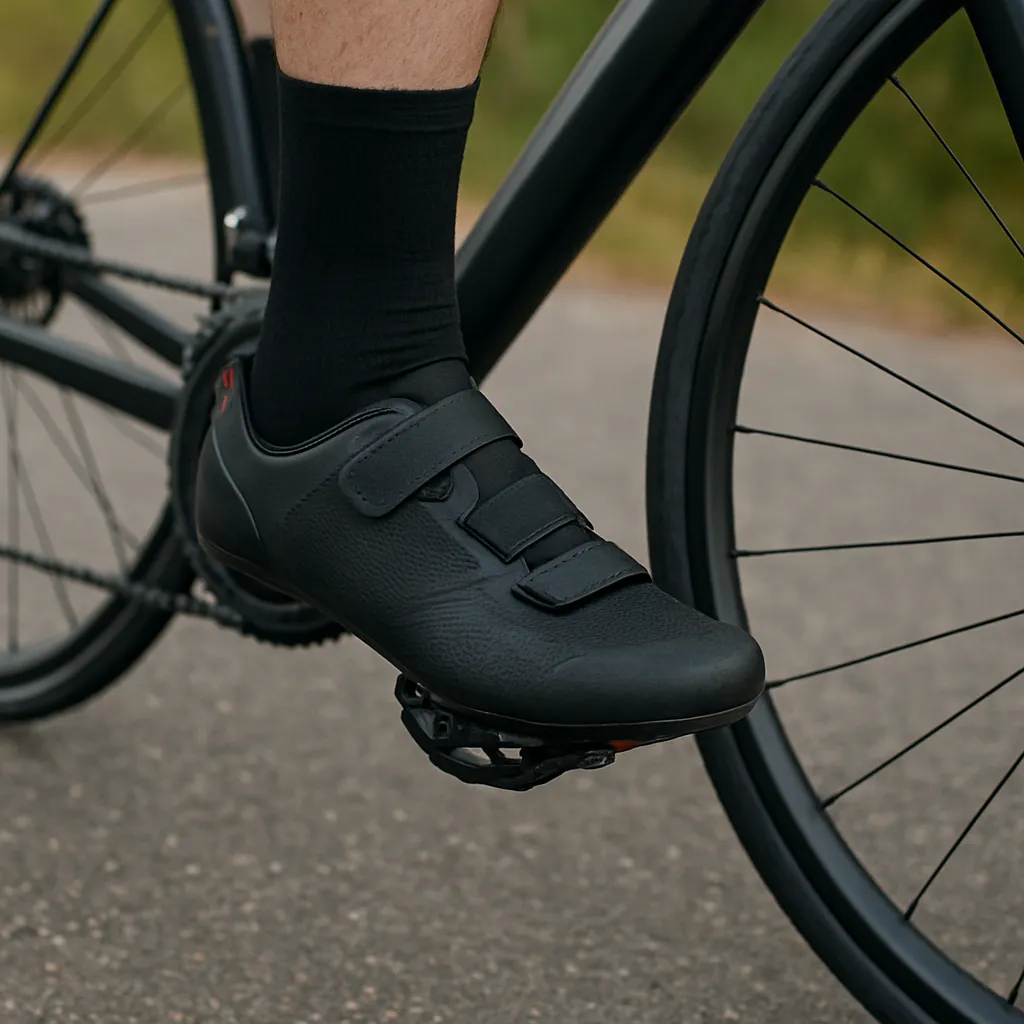
- Ignoring proper cycling shoes prevents efficient power transfer.
Solution: Invest in a helmet that meets recognized safety standards, padded gloves, and shoes compatible with your pedals. Quality accessories can significantly enhance both protection and riding efficiency.
Technique and Training Pitfalls
Effective riding relies on mastering fundamental skills rather than brute force. Many beginners skip skill development in favor of longer, harder rides.
Incorrect Pedaling Cadence
- Low cadence (below 60 RPM) strains joints, reduces endurance.
- Excessively high cadence without control wastes energy.
Solution: Aim for a steady cadence between 80–100 RPM on flats. Use a bike computer or smartphone app to monitor and gradually build consistency.
Poor Cornering and Braking
- Overgripping brakes leading to skids and loss of control.
- Entering turns too fast causes wide exits or crashes.
Solution: Practice braking before turns—apply the rear brake lightly, then the front gently while leaning correctly. Look through the corner’s exit and shift your weight low for better balance.
Skipping Warm-Up and Cool-Down
- Jumping straight into high-intensity efforts causes muscle strain.
- No cooldown leads to prolonged muscle soreness.
Solution: Spend 5–10 minutes cycling at an easy pace to warm up, and finish each ride with a similar cool-down to aid recovery and reduce fatigue.
Safety and Traffic Blunders
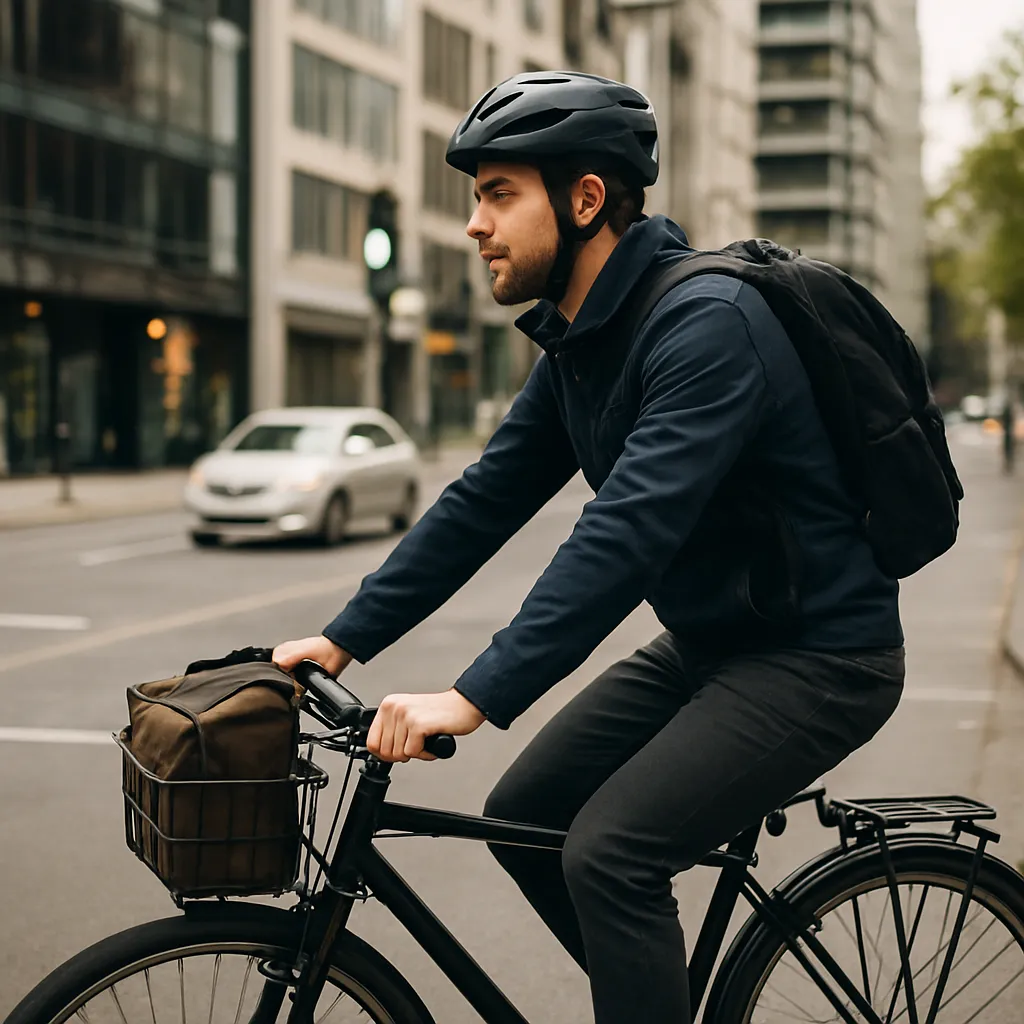
Sharing the road with motorists, pedestrians, and other cyclists demands heightened awareness and correct signaling.
Neglecting Visibility
- Wearing dark clothing at dusk reduces conspicuity.
- No lights or reflectors makes riding in low light dangerous.
Solution: Use bright jerseys, reflective vests, and both front and rear lights. Position lights at eye level on cars and keep them flashing to capture attention.
Failing to Signal and Communicate
- No hand signals for turns or stops confuses other road users.
- Unpredictable lane changes increase collision risk.
Solution: Signal well in advance—use clear hand gestures and make eye contact when possible. Predictable riding behavior enhances collective safety.
Ignoring Traffic Rules
- Riding against traffic or skipping stop signs heightens danger.
- Helmet usage and legal requirements vary by region.
Solution: Learn local cycling laws, treat intersections like a vehicle, and always stop, scan, and yield when necessary.
Maintenance and Preparation Oversights
Routine upkeep and smart ride planning can prevent breakdowns, delays, and frustration.
Poor Tire Care
- Riding on underinflated tires hurts rolling efficiency and increases puncture risk.
- Ignoring tread wear leads to blowouts or slips in wet conditions.
Solution: Check tire pressure before every ride using a gauge, and inspect tread for cuts or worn areas. Carry a compact pump and patches for emergencies.
Skipping Chain Lubrication
- A dry chain accelerates wear on gears and degrades shifting quality.
- Accumulated debris causes noisy, inefficient pedaling.
Solution: Clean and lube your chain every 100–200 miles (160–320 km), or more frequently in wet or dusty environments. Wipe off excess to avoid attracting grime.
Inadequate Ride Planning
- No route scouting results in unexpected hills or closed roads.
- Insufficient hydration and nutrition planning leads to “bonking.”
Solution: Use mapping apps to profile elevation and distance. Pack water in bottles or a hydration pack and bring energy bars or gels. Aim to sip frequently and eat before feeling hungry to maintain peak hydration and energy levels.
Ergonomics and Comfort Miscalculations
Long rides can become miserable without proper ergonomic adjustments and comfort strategies.
Incorrect Saddle Choice
- Too narrow saddles pinch soft tissue, causing numbness.
- Too wide seats chafe and pressure the sit bones improperly.
Solution: Test different saddle shapes at a local shop. Consider your riding style—long distances benefit from cutout designs that improve blood flow and comfort.
Ignoring Core Strength and Posture
- Weak core muscles cause lower back pain on longer rides.
- Slumped shoulders and bent wrists lead to persistent aches.
Solution: Incorporate planks and back extensions into your off-bike workouts. Keep elbows slightly bent on the handlebars, shoulders relaxed, and hips aligned over the bottom bracket for optimal power transfer.
Key Takeaways
- Prioritize a professional bike fit to ensure comfort and prevent injuries.
- Develop proper pedaling technique and master basic skills like braking and cornering.
- Always ride predictably, signal your intentions, and enhance visibility on the road.
- Maintain your bike regularly—check tires, lubricate the chain, and plan routes carefully.
- Build core strength and choose the right saddle for lasting endurance.
By recognizing and addressing these common mistakes, new cyclists can focus on discovering the joy of two wheels rather than coping with avoidable struggles. Emphasizing proper gear, technique, safety awareness, and routine maintenance sets the stage for a fulfilling cycling adventure every time you hit the road or trail.