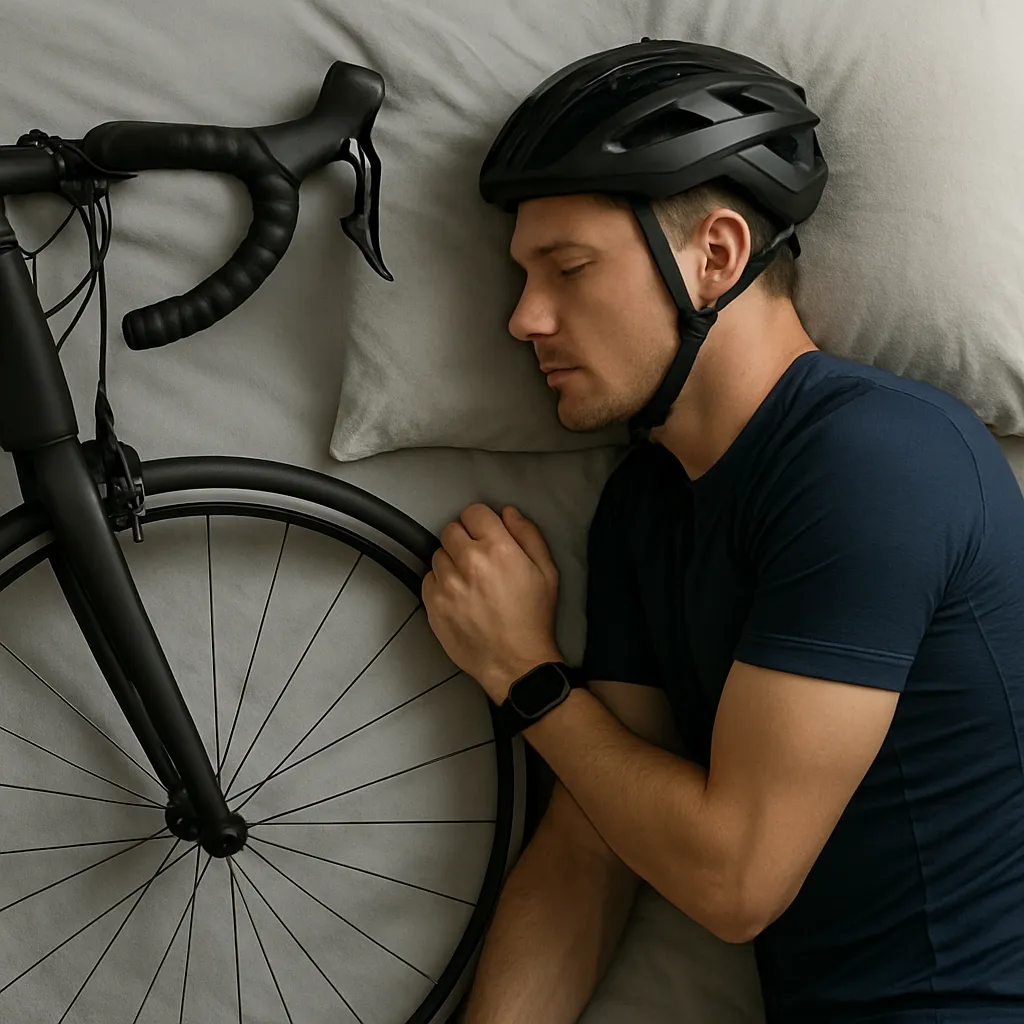
Cycling enthusiasts constantly seek ways to elevate their performance and gain a competitive edge. Among various strategies, integrating sleep tracking into a training routine has emerged as a promising approach. By monitoring nightly rest, athletes aim to optimize recovery, fine-tune workout intensity, and enhance overall endurance. This article explores how cycling and sleep tracking intersect, examining the science, practical tools, and implementation tips to help riders pedal stronger and farther.
Understanding Sleep and Cycling Performance
High-level cycling demands a balance between training stress and rest. Without adequate recovery, muscles fail to repair effectively, hormonal balance is disrupted, and the immune system weakens. Sleep plays a pivotal role in this restoration. During deep and REM (rapid eye movement) phases, the body secretes growth hormones essential for muscle repair and protein synthesis. Moreover, the brain consolidates motor skills, impacting coordination and reaction times on challenging terrain.
Physiological Benefits of Quality Rest
- Hormonal Balance: Sleep regulates cortisol and testosterone, key for muscle building and stress management.
- Muscle Repair: Deep sleep triggers tissue regeneration, reducing soreness and the risk of injury.
- Energy Restoration: Glycogen stores are replenished, ensuring adequate fuel for long rides.
Neglecting sleep can lead to chronic fatigue, plateaued progress, and overtraining syndrome. Athletes may experience decreased VO2 max, slower recovery rates, and compromised decision-making during races.
Tracking Tools and Data Interpretation
Advances in wearable technology have put sophisticated metrics at the fingertips of cyclists. From smartwatches to dedicated sleep trackers, devices now monitor various parameters that shed light on nightly rest quality.
Key Sleep Metrics for Cyclists
- Time in Bed vs. Time Asleep: Differentiates between total hours in bed and actual sleep duration.
- Sleep Cycles: Distribution of light, deep, and REM stages.
- Sleep Latency: Time taken to fall asleep, indicating stress or disrupted circadian rhythms.
- Sleep Efficiency: Ratio of time asleep to time in bed.
- Resting Heart Rate (RHR): Declining RHR over nights may reflect improved recovery.
- Heart Rate Variability (HRV): Higher HRV signals strong autonomic nervous system adaptability.
Interpreting these metrics requires context. For instance, a single night of poor sleep might be offset by the body’s innate resilience. However, persistent patterns of low sleep efficiency or high RHR can signal accumulating fatigue.
Popular Tracking Devices
- Wrist-worn wearables (smartwatches, fitness bands) – convenient but may misclassify stages.
- Ring-based trackers – offer continuous skin contact and often better HRV readings.
- Under-mattress sensors – non-intrusive but lack heart rate data.
- Apps combined with motion sensors – cost-effective but require manual calibration.
Implementing Insights into Training
Gathering data is only half the battle. Translating sleep insights into actionable changes can drive meaningful improvements in endurance and power output. Here are steps to incorporate tracking results into a balanced cycling plan:
- Establish a Baseline: Record sleep and performance data for 2–3 weeks to identify personal averages and typical fluctuations.
- Adjust Training Load: On nights with suboptimal sleep (e.g., sleep efficiency below 85%), consider a recovery ride or an active rest day rather than high-intensity intervals.
- Prioritize Consistency: Aim for regular sleep and wake times, even on weekends, to support circadian rhythm stability.
- Implement Sleep Hygiene Practices:
- Limit blue light exposure 1–2 hours before bedtime.
- Maintain a cool, dark sleeping environment.
- Avoid heavy meals or caffeine late in the day.
- Monitor Recovery Markers: Combine sleep data with subjective measures (mood, perceived exertion) and performance indicators (power output, heart rate response).
- Periodize Rest: Integrate extra rest or sleep extension during high-volume weeks or pre-competition taper phases.
By applying these principles, cyclists can identify whether sleep improvements correspond to gains in FTP (functional threshold power), improved sprint capacity, or enhanced sustained pacing during long climbs.
Common Pitfalls and Best Practices
While sleep tracking promises substantial benefits, misinterpretation and overreliance on technology can lead to unintended consequences. Below are pitfalls to avoid along with best practice recommendations:
- Pitfall: Obsessing over nightly numbers can induce anxiety, worsening sleep quality.
- Best Practice: Use data as a general guide rather than a rigid rulebook.
- Pitfall: Ignoring lifestyle factors like nutrition, hydration, and stress management.
- Best Practice: Adopt a holistic approach: proper fueling, adequate hydration, and mindfulness techniques support better rest.
- Pitfall: Expecting immediate changes in performance from minor sleep tweaks.
- Best Practice: Be patient. Physiological adaptations often unfold over weeks or months.
- Pitfall: Using inconsistent tracking devices or multiple platforms.
- Best Practice: Stick to one reliable system to avoid fragmented insights.
Ultimately, the synergy between rest and training hinges on consistency and a willingness to adapt. Sleep optimization should complement, not replace, proven cycling methodologies like structured interval sessions and strength training.
Future Directions in Cycling and Sleep Research
Emerging studies are exploring how individual sleep architectures intersect with specialized training protocols. For example, research on adaptation to heat stress or altitude training suggests that personalized sleep schedules may accelerate acclimatization. Additionally, machine-learning algorithms are being developed to predict performance readiness from multi-night sleep patterns, allowing coaches to prescribe dynamic training loads in real time.
As technology evolves, we can anticipate more precise, unobtrusive trackers and richer analytics integrated into cycling computers and mobile applications. The challenge will remain in translating data into meaningful lifestyle and training modifications that respect both the art and science of athletic development.