Selecting the perfect bike rack for your car requires careful thought and planning. Whether you’re heading out for a weekend getaway or planning a cross-country cycling trip, the right rack ensures that your ride arrives safely and securely. This guide dives into various rack styles, essential factors to consider, and practical tips to simplify your decision.
Types of Bike Racks
Different vehicles and cycling needs call for distinct rack designs. Understanding each style helps you pinpoint the best solution.
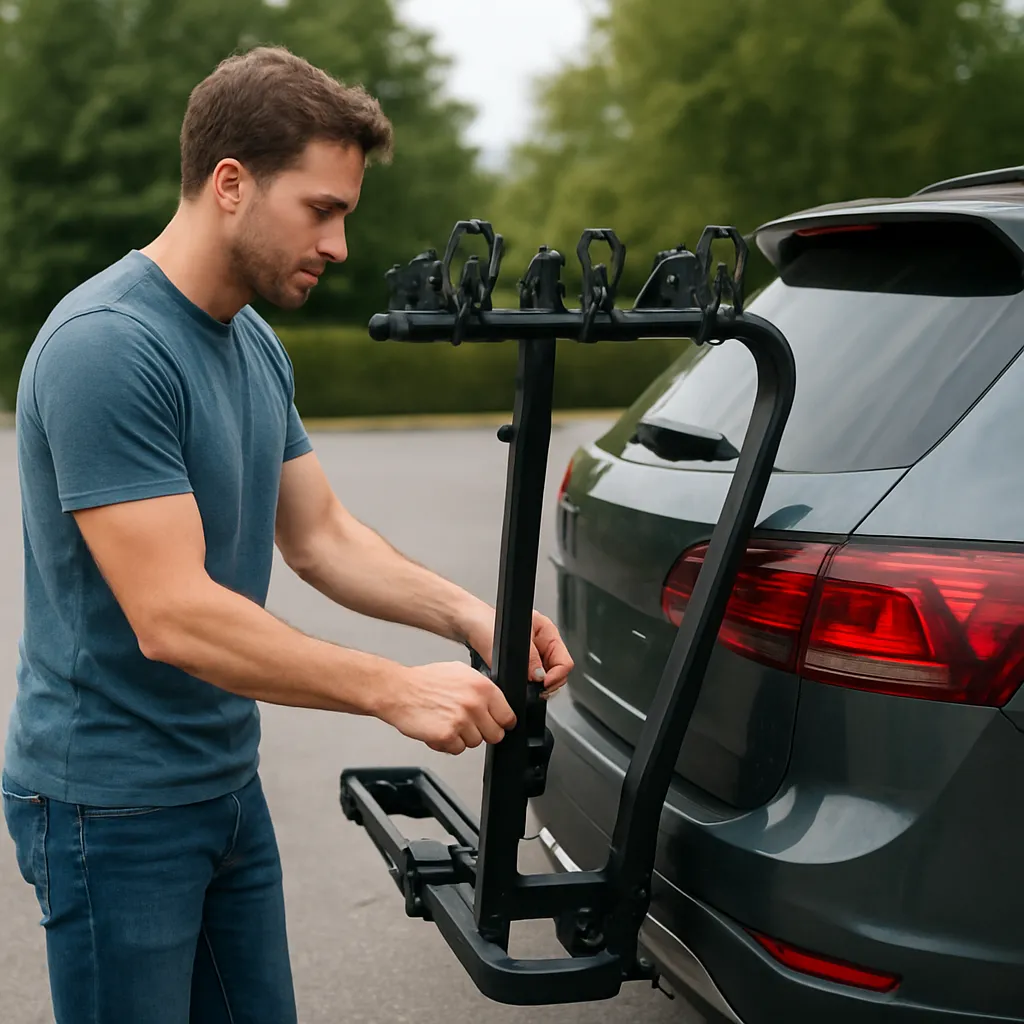
Hitch-Mount Racks
- Attachment: Connects to a hitch receiver on your vehicle’s rear.
- Capacity: Often holds two to five bicycles, depending on the model.
- Pros: Easy loading, stable support, minimal contact with the vehicle’s surface.
- Cons: Requires a hitch receiver; may slightly impact rear visibility.
Roof Racks
- Attachment: Mounted on crossbars of your vehicle’s roof system.
- Style: Available in fork-mount and upright-mount designs.
- Pros: Frees up rear access; ideal for transporting other gear simultaneously.
- Cons: Requires lifting bikes overhead; may be less convenient for heavy models.
Trunk-Mount Racks
- Attachment: Secures to the trunk, hatchback, or rear glass using straps and hooks.
- Pros: Inexpensive, compatible with many vehicles, no hitch needed.
- Cons: Potential for paint scratches; less sturdy than hitch or roof options.
Key Considerations
Before investing in a rack, evaluate these critical features to ensure a perfect match.
Vehicle Compatibility
Not every rack works with all vehicles. Check if the design is approved for your make and model. A compatibility chart from the manufacturer can confirm whether a rack fits securely without interfering with sensors, spoilers, or exhausts.
Bike Capacity and Weight Limit
Calculate the total capacity required by multiplying the number of bikes by their individual weights. Compare this sum to the rack’s maximum weight limit. Always leave a margin—choose a rack that can safely handle more weight than you plan to carry.
Security Features
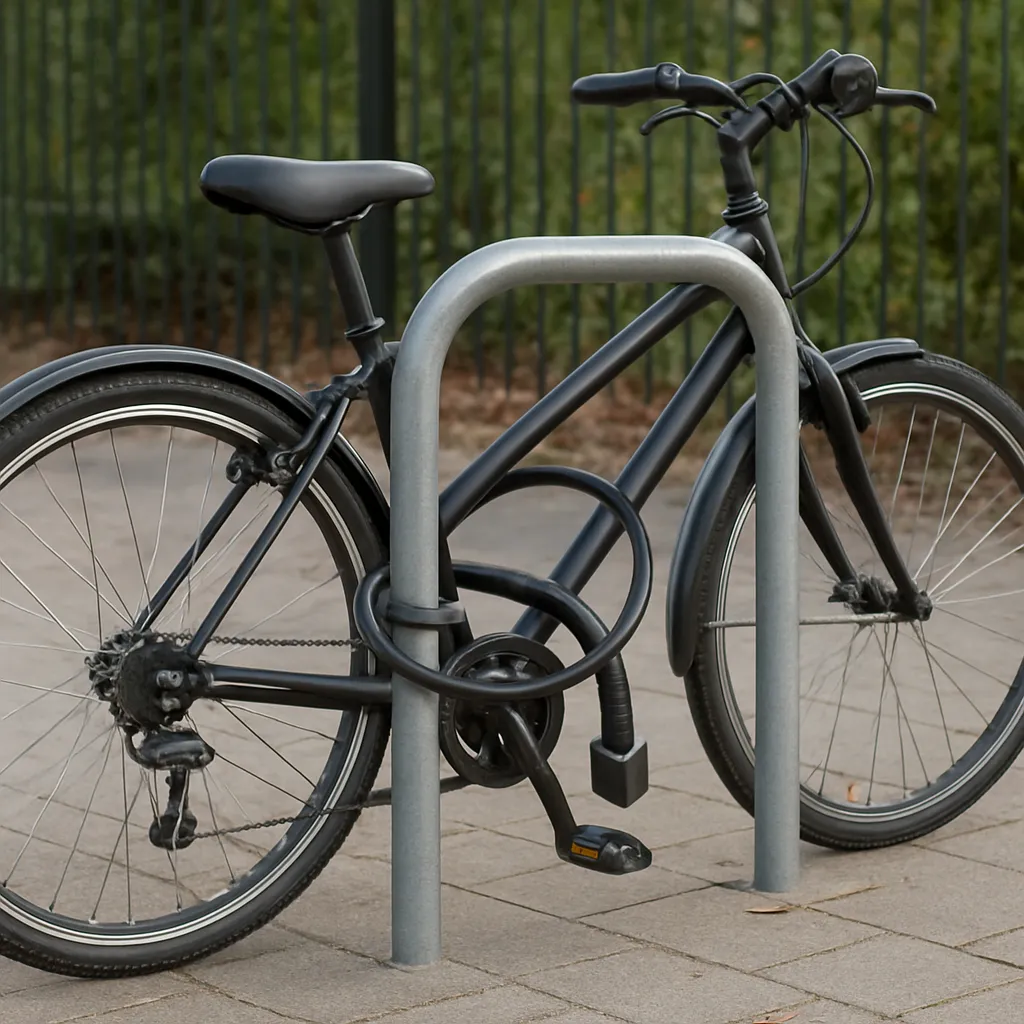
Your rack and bikes should remain safe from theft. Look for integrated cable locks or the option to add your own locking system. A robust locking mechanism provides peace of mind when you leave your vehicle unattended during pit stops or overnight stays.
Aerodynamics and Fuel Efficiency
Racks can affect your vehicle’s drag coefficient. A bulky roof rack often increases wind resistance, leading to higher fuel consumption. Hitch-mounted racks generally produce less drag and maintain better gas mileage, especially on highway drives.
Durability and Materials
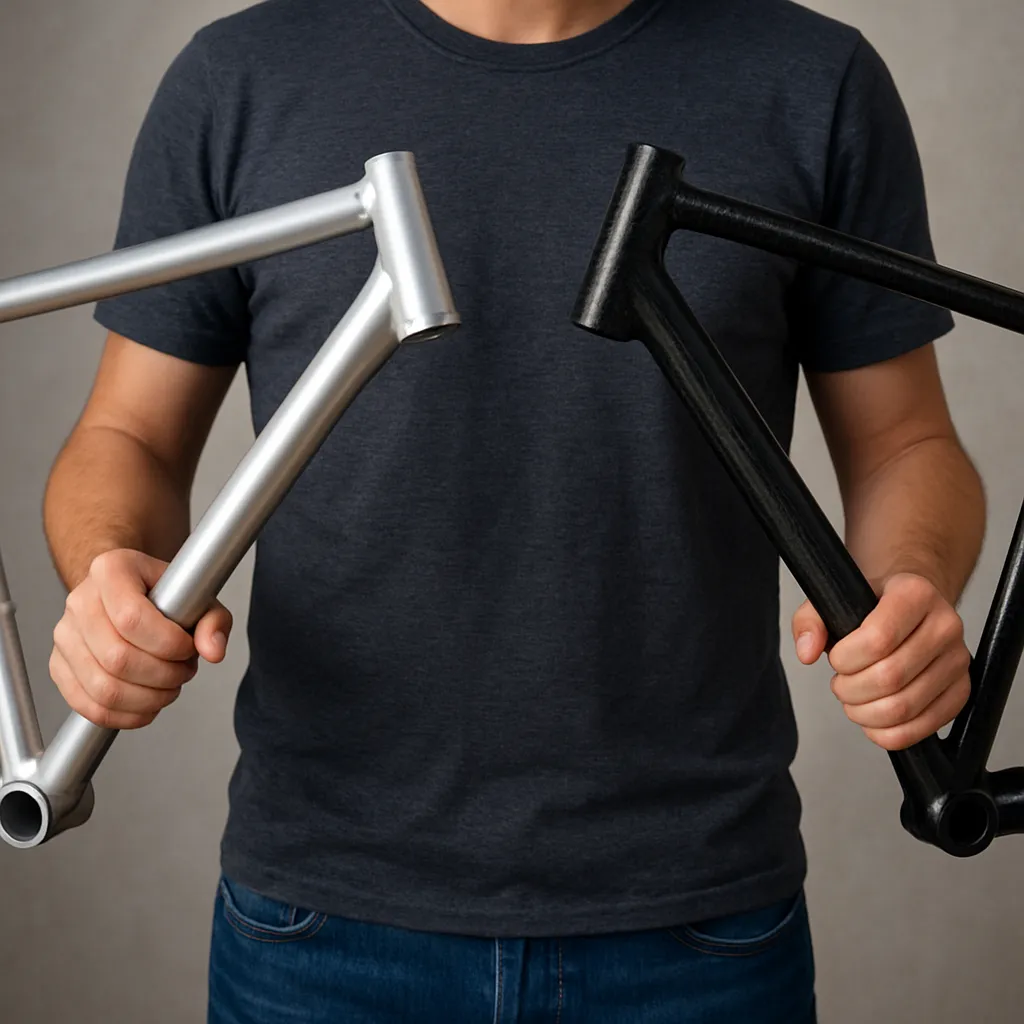
Select racks made of high-grade materials such as powder-coated steel or aluminum alloy. These offer a balance of strength, rust resistance, and weight savings. Evaluate the finish quality—chips in paint or exposed metal can corrode quickly in harsh weather.
Installation and Maintenance
Proper setup and care extend the life of your rack and prevent damage to both your vehicle and your bicycles.
Step-by-Step Installation
- Read the instruction manual carefully before unpacking components.
- Pre-assemble sections on a flat surface to verify all parts are present.
- Follow torque specifications for all bolts to ensure safe installation.
- Check for interference with brake lights, license plates, and rear sensors.
- Secure all straps, clamps, and fasteners. Give the rack a firm shake to test stability.
Regular Maintenance
Routine checks keep your rack performing optimally:
- Inspect straps and hooks for wear or fraying.
- Lubricate moving parts such as hinges and locks with silicone spray.
- Tighten fasteners every few hundred miles to counteract vibration.
- Clean the rack after muddy or salty trips to prevent corrosion.
Troubleshooting Common Issues
If you notice unusual noises, rattles, or sway, recheck all mounting points. Ensure bikes are loaded in the correct order (heaviest closest to the vehicle). For roof systems, confirm crossbar spacing matches rack specifications.
Additional Tips and Accessories
Maximize the efficiency and safety of your bike transport with these value-added suggestions.
- Wheel trays and ratchet straps can secure wheels individually and minimize movement.
- Anti-wobble devices for hitch racks reduce sway on rough roads.
- Invest in a bike frame adapter to accommodate non-traditional frame shapes, such as women’s or children’s bikes.
- Use protective padding to shield frames from scratches and dings.
- Consider a rear-view camera if your rack obscures the backing lens.
Choosing the ideal bike rack involves balancing ease of use, load size, and your vehicle’s design. With the right information and attention to security and durability, you’ll enjoy peace of mind on every cycling adventure.