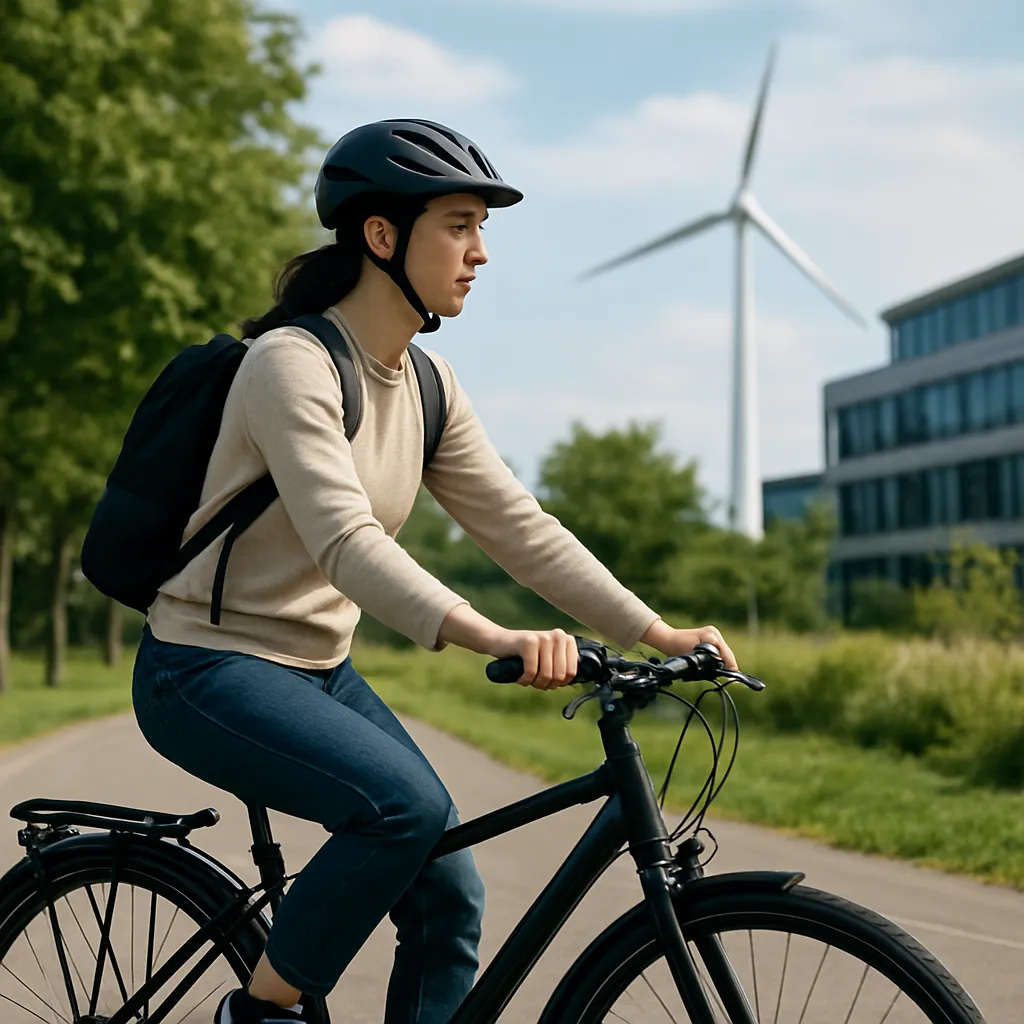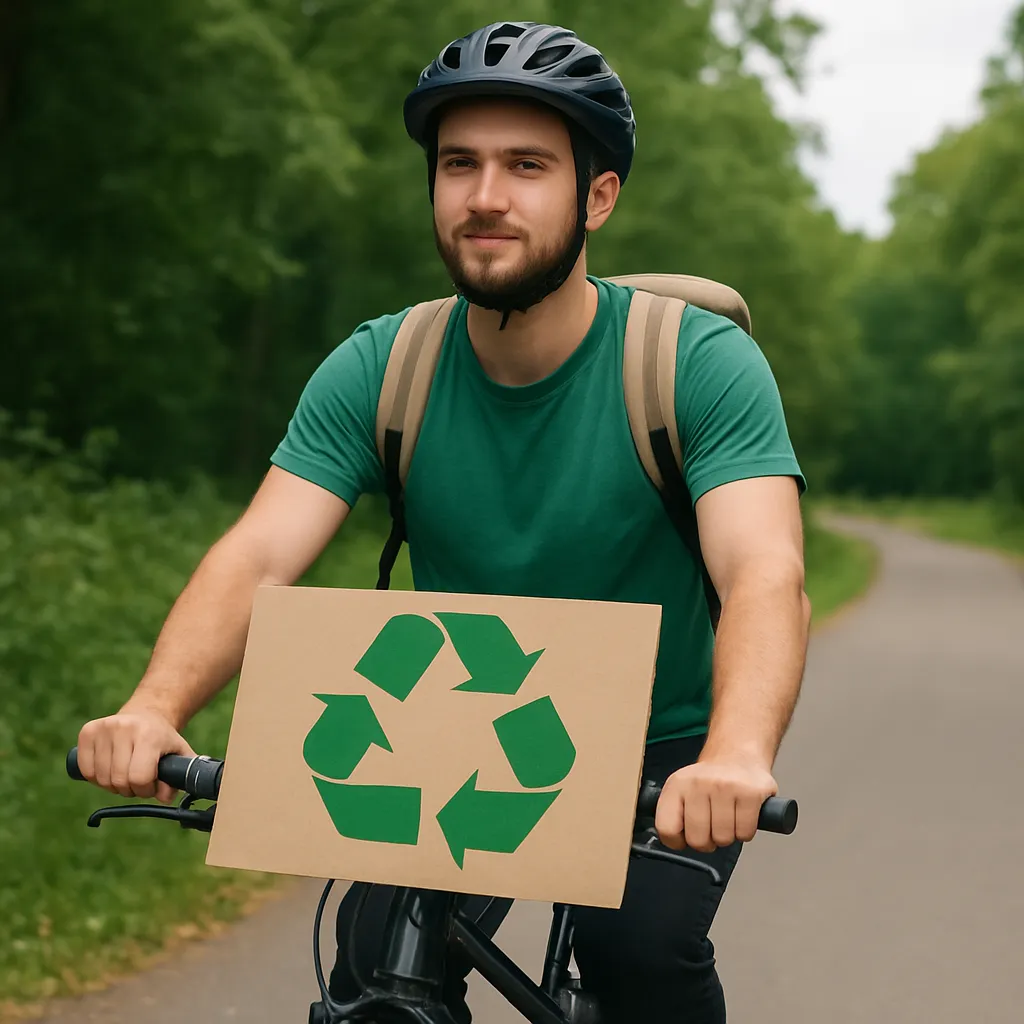
Cycling has evolved beyond a recreational pastime into a powerful tool for driving positive environmental change. By integrating pedal power into awareness campaigns, advocates can highlight the tangible link between everyday choices and global ecological health. This article explores the multifaceted role of bicycles in fostering sustainable habits, engaging communities, and shaping resilient urban systems.
Benefits of Cycling for the Planet
Every ride on two wheels contributes directly to reducing emissions and mitigating climate change. Unlike motor vehicles, bicycles produce zero tailpipe pollution, making them an ideal symbol of low-impact transport. In addition to cleaner air, cycling supports:
- sustainability by conserving fossil fuels that power conventional engines.
- Lower noise pollution, enhancing urban quality of life.
- Reduced reliance on nonrenewable resources for both fuel and manufacturing.
Health and Ecological Synergy
Regular cycling not only boosts cardiovascular fitness but also fosters a deeper connection with the surrounding landscape. As riders travel through city streets and rural lanes, they become more attuned to air quality fluctuations, urban green spaces, and local wildlife. This heightened environmental perception often fuels a passion for conservation initiatives.
Economic Advantages
Widespread bicycle usage can lead to significant cost savings for municipalities. Less road maintenance, lower healthcare expenses due to improved public health, and the potential for reduced traffic congestion all translate into budgetary relief. Communities that embrace cycling infrastructure often report a stronger local economy as small businesses benefit from increased foot and bike traffic.
Designing Effective Environmental Campaigns
To maximize impact, campaign organizers must merge creative storytelling with actionable calls to ride. Effective strategies include:
- Visual demonstrations, such as awareness rides featuring banners and eco-friendly mascots.
- Partnerships with local media to share cyclist testimonials and success stories.
- Digital outreach leveraging social platforms to create viral cycling challenges.
Crafting a Compelling Message
The core narrative should emphasize how everyday cycling choice promotes global goals. A campaign might highlight how one commuter’s weekly 10-mile roundtrip ride offsets a specific amount of CO2—for example, 100 pounds per month. Concrete statistics resonate, transforming abstract climate targets into personal milestones.
Engaging Diverse Audiences
Inclusion is key. Families, seniors, students, and businesses each respond to tailored incentives:
- Children’s art contests featuring “My Bicycle, My Earth.”
- Senior-led group rides emphasizing safety and social connection.
- Corporate cycling clubs with internal competitions to track cumulative mileage.
Building Community and Infrastructure
A successful campaign transcends one-off events by fostering enduring local networks. When riders feel supported, they are more likely to continue pedaling for environmental good. Key elements include:
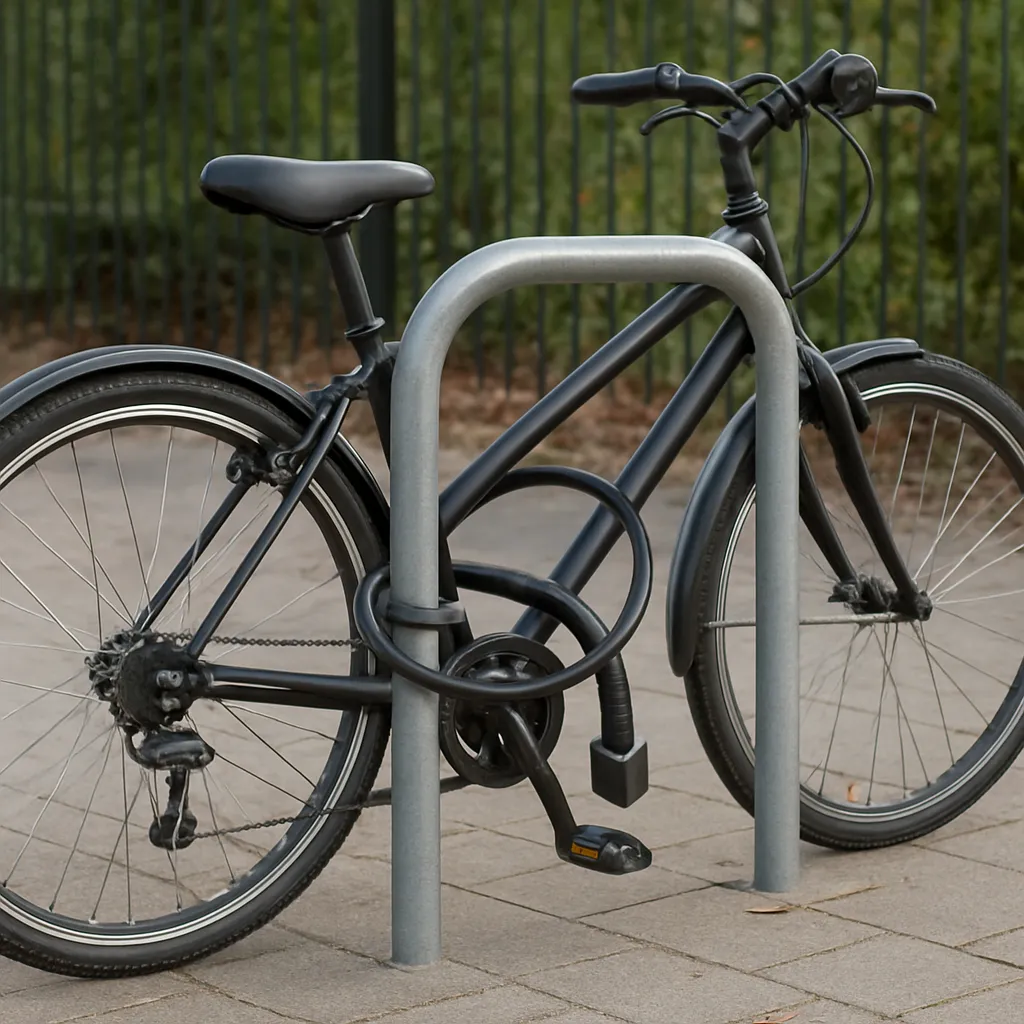
- Safe, accessible bike lanes and secure parking facilities.
- Community workshops on basic bicycle maintenance and repair.
- Integrated transit options that allow cyclists to combine trains or buses with last-mile travel on two wheels.
The Role of Policy and Advocacy
Lobbying city councils to adopt bicycle-friendly ordinances is essential for systemic change. Advocates should present data on accident reductions in protected bike corridors and emphasize long-term healthcare savings. By forging alliances with public health departments, environmental NGOs, and urban planners, campaigners can ensure cycling remains a priority in municipal budgets.
Volunteer-Driven Support Networks
Volunteer “bike buddies” programs pair experienced cyclists with newcomers, offering route guidance and confidence-building tips. These mentorships cultivate a sense of belonging and boost overall participation rates. Additionally, mobile repair stations staffed by volunteers can attend major events, underscoring the message that biking is both fun and feasible for everyone.
Measuring Impact and Future Directions
Quantifying success is vital to sustaining momentum. Campaign organizers should track key performance indicators such as:
- Total miles cycled by participants.
- Reduction in local carbon footprint measured via community-wide surveys.
- Changes in public attitudes assessed through pre- and post-campaign questionnaires.
Technological Tools for Data Collection
Mobile apps that sync with rider odometers can automatically log mileage and calculate environmental savings. Geotagged photographs during rides help visualize improvements in urban green corridors and newly installed infrastructure. Encouraging participants to share these images via campaign hashtags increases visibility and engagement.
Scaling Up: From Local to Global
Successful local initiatives can inspire regional networks and even international partnerships. Exchanging best practices across borders accelerates innovation in bike lane design, public bike-share models, and educational curricula. As more cities commit to sustainable mobility, the collective impact can shift transportation paradigms globally.
Looking ahead, integrating bicycles with emerging technologies — such as e-bike fleets powered by renewable energy charging stations — could further reduce dependency on fossil fuels. By continuously refining methods of outreach and infrastructure development, cycling campaigns will remain at the forefront of environmental advocacy, demonstrating how simple shifts in daily routines can yield profound ecological benefits.