Cycling offers a unique blend of adventure, discipline, and community spirit that challenges both the body and the mind. As riders embark on long-distance journeys, they discover the transformative power of endurance and the importance of cultivating mental resilience. This article explores key insights gained from epic rides, highlighting the physical advantages, psychological strategies, and essential support systems that fuel unforgettable two-wheeled adventures.
Physical Advantages of Endurance Rides
Long-distance rides demand more than casual pedaling. They require structured training, precise pacing, and a keen understanding of one’s physiological limits. Riders gradually build strength and cardiovascular capacity, which translates into tangible gains:
- Enhanced aerobic capacity: Sustained efforts over hours improve lung function and oxygen uptake, boosting overall performance.
- Muscular endurance: Repeated revolutions strengthen the quadriceps, hamstrings, and glutes, allowing cyclists to maintain high power outputs.
- Metabolic efficiency: Extended rides teach the body to tap into fat stores, conserving precious glycogen for crucial moments.
- Joint stability: Controlled, low-impact motion reduces injury risk compared to high-impact sports, promoting long-term mobility.
By embracing incremental progress, riders learn to respect the process of adaptation. Every hill conquered and every mile logged paves the way for future challenges.
Mental Resilience on Two Wheels
Endurance tours reveal the critical role of mindset in overcoming physical fatigue. When energy wanes and conditions deteriorate, a resilient outlook can be the difference between quitting and conquering:
- Goal setting: Breaking lengthy routes into manageable segments helps maintain focus and celebrate small victories.
- Positive self-talk: Encouraging internal dialogue empowers riders to push through discomfort and self-doubt.
- Mindful breathing: Conscious inhalation and exhalation alleviate stress, regulate heart rate, and sharpen concentration.
- Adaptive strategies: Learning to adjust goals when unexpected weather or terrain arises fosters flexibility under pressure.
By nurturing mental fortitude, cyclists discover that their greatest obstacle often resides in the mind. Developing coping mechanisms for stress, monotony, and uncertainty becomes a cornerstone of long-term success.
Effective Training Methods for Long Rides
Crafting a comprehensive regimen is essential for riders who aim to tackle 100-mile distances or multi-day tours. Key elements include:
Structured Interval Sessions
Incorporating high-intensity intervals triggers anaerobic gains while alternating with active recovery periods. This method spikes VO2 max and simulates race-day surges.
Progressive Mileage
Gradually increasing weekly ride distances by no more than 10% prevents overtraining and diminishes injury risk. Rest weeks every third or fourth week allow for physiological adaptation.
Strength and Mobility Work
Off-the-bike exercises targeting the core, hips, and upper body stabilize the rider’s position and improve power transfer. Flexibility routines help maintain comfortable posture on long saddle sessions.
Cross-Training
Activities such as swimming, hiking, or yoga supplement cycling by engaging different muscle groups and reducing overuse patterns.
Fueling and Recovery for Optimal Performance
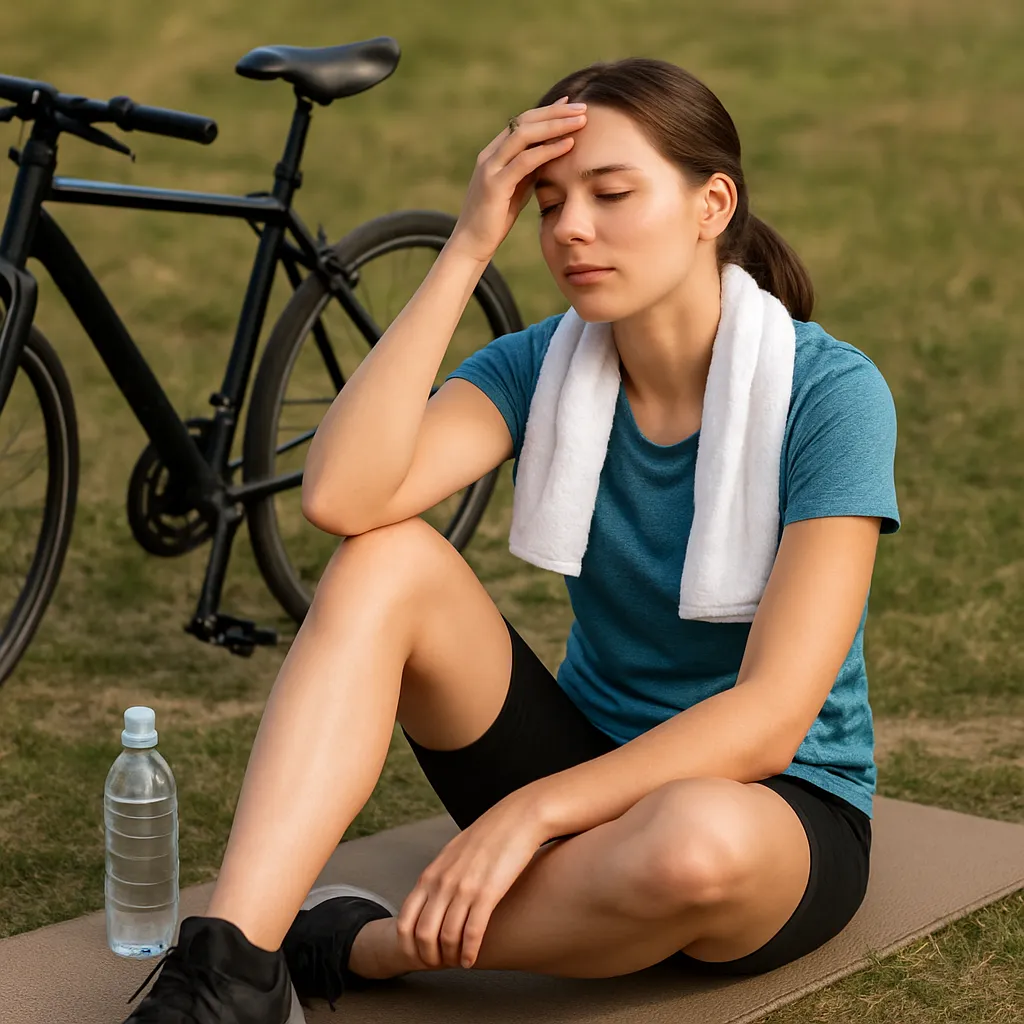
Efficient nutrition strategies and deliberate recovery protocols underpin every successful ride. Without proper fueling, even seasoned cyclists face rapid fatigue and impaired decision-making.
On-Bike Nutrition
- Carbohydrate blends: Consuming a mix of glucose and fructose at 60–90 grams per hour maximizes absorption rates.
- Electrolyte balance: Replenishing sodium, potassium, and magnesium prevents cramps and maintains fluid equilibrium.
- Protein intake: Including small amounts of protein during ultra-endurance events supports muscle repair and reduces catabolism.
Post-Ride Refueling
Within 30 minutes of finishing, a 3:1 ratio of carbohydrates to protein jumpstarts glycogen restoration and muscle healing. Incorporating anti-inflammatory foods such as berries, nuts, and leafy greens accelerates recovery.
Sleep and Regeneration
Prioritizing quality sleep ensures hormonal balance, mental clarity, and tissue repair. Techniques like foam rolling, compression garments, and cold-water immersion further assist in reducing soreness and inflammation.
The Power of Community and Support Networks
Cycling transcends solo pursuits; it thrives within a vibrant ecosystem of riders, coaches, and fans. A supportive tribe fosters accountability, camaraderie, and shared wisdom:
- Group rides: Training with peers introduces healthy competition, motivates consistency, and enhances safety through collective vigilance.
- Mentorship: Experienced cyclists provide guidance on route selection, troubleshooting mechanical issues, and mental preparation.
- Events and clubs: Organized challenges and local chapters cultivate a sense of belonging and create opportunities for fundraising or advocacy.
- Online forums: Virtual communities offer invaluable tips on gear choices, technique refinement, and troubleshooting common obstacles.
Through collective support, riders discover that their personal triumphs ripple outward, inspiring others to embark on transformative journeys of their own.