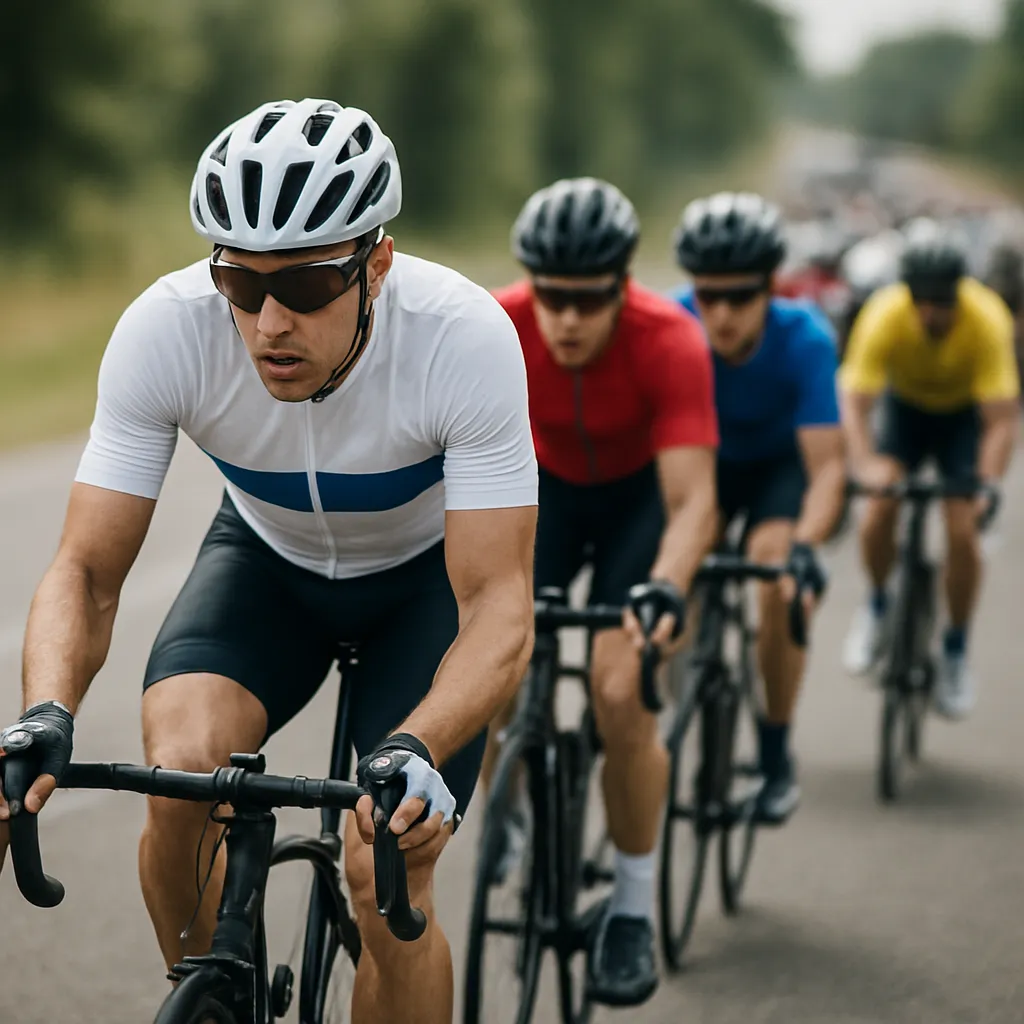
Pacing in cycling races represents the sophisticated balance between physical capability, mental resilience, and tactical intelligence. Mastering the art of distributing effort effectively can transform a good cyclist into a formidable competitor. Whether tackling a short time trial or a grueling mountainous stage, understanding how to manage energy expenditure is essential. This article delves into the core principles of pacing, examining the science behind effort regulation and offering actionable insights for riders of every level.
Understanding Pacing
Defining Pacing
Pacing refers to the distribution of power output and speed over the course of a ride. A rider’s ability to maintain a consistent effort often determines race outcomes. Inconsistent surges followed by deep efforts can lead to premature fatigue, while a well-judged pace enables cyclists to conserve reserve energy for critical moments such as climbs or final sprints. Ultimately, pacing is about harmonizing one’s effort with race demands and terrain challenges.
The Role of Energy Systems
Cyclists rely on three primary energy systems: the phosphagen (ATP-PC), glycolytic, and oxidative systems. Short, explosive efforts draw on the phosphagen system, while sustained high-intensity stints tap into the glycolytic pathway. Long-duration endurance relies predominantly on the oxidative system. Understanding how each system contributes to performance allows riders to structure effort distribution. For instance, launching a premature attack on a climb may overtax the glycolytic system, leading to a rapid decline in performance.
Physiological Foundations of Pacing
Cardiovascular Adaptations
Endurance training induces key cardiac and vascular adaptations, such as increased stroke volume and capillary density. These changes elevate oxygen delivery to muscles, enhancing endurance and delaying fatigue. Monitoring heart rate zones during training helps cyclists fine-tune pacing strategies, ensuring that aerobic efforts remain below lactate threshold for maximal efficiency. Over time, steady-state efforts at threshold intensity become more sustainable, allowing riders to push harder for longer periods.
Muscle Fiber Recruitment
Human skeletal muscle comprises slow-twitch (Type I) and fast-twitch (Type II) fibers. Slow-twitch fibers excel at sustaining prolonged efforts, whereas fast-twitch fibers generate bursts of high power. Optimal pacing leverages slow-twitch fibers for the bulk of the ride, reserving fast-twitch recruitment for decisive accelerations. Well-designed training plan protocols integrate interval sessions that stimulate both fiber types, improving overall muscular adaptability.
Fuel Utilization
Glycogen stores in muscles and the liver serve as primary fuel during high-intensity efforts. As glycogen depletes, cyclists shift toward fat oxidation, which yields less power per unit of oxygen consumed. A poorly paced ride risks early glycogen depletion, forcing a significant pace drop known as “bonking.” Strategic consumption of carbohydrates before and during a race preserves glycogen levels. Nutrition planning, combined with careful regulation of effort, optimizes metabolism and sustains performance.
Practical Strategies for Race Pacing
Time Trial vs. Road Race
Time trials demand a steady, maximal sustainable effort. Cyclists aim to maintain a power output just below threshold, avoiding spikes that can tax anaerobic reserves. In contrast, road races require dynamic pacing to respond to attacks, climbs, and wind. Riders must balance economy on flat sections with selective surges on strategic segments. Crafting a clear pacing strategy for each format ensures optimal energy allocation throughout the event.
Use of Technology
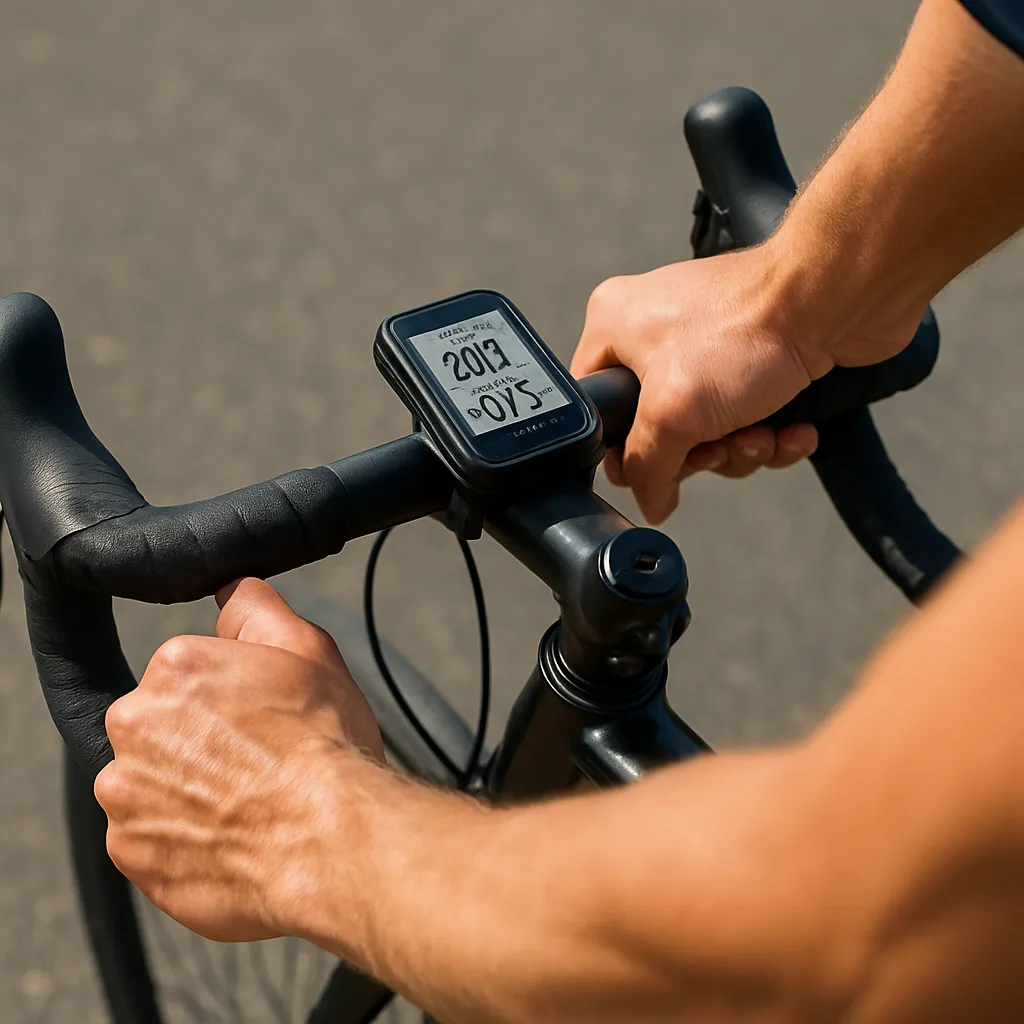
Modern cyclists employ tools such as power meter devices, heart rate monitors, and GPS-based bike computers to inform pacing decisions. Power meters measure real-time output in watts, offering precise feedback beyond the variability of perceived exertion. Cyclists set target power zones based on functional threshold power (FTP), adhering closely to those zones during training and races. Telemetry data post-ride enables detailed analysis of pacing consistency and areas for improvement.
Training Approaches
- Sweet Spot Training: Sweet spot intervals at 88–93% of FTP bolster aerobic capacity without excessive fatigue, refining sustainable power.
- Long Endurance Rides: Extended low-intensity sessions improve fat oxidation and capillary networks, critical for lasting efficiency.
- High-Intensity Intervals: Short bursts above threshold pressure the anaerobic system, boosting muscle recruitment for decisive efforts.
- Periodization: Structured cycles of base, build, and taper phases allow progressive adaptation, optimizing peaking for key races.
Psychological Techniques
Effective pacing extends beyond physiology into mental strategies. Techniques such as goal setting, visualization, and self-talk help cyclists maintain focus and resist early overexertion. Breaking a race into manageable segments—focusing on the next climb or feed zone—reduces cognitive overload. Embracing discomfort during predetermined intervals builds resilience, enabling riders to execute pacing plans under pressure.
Real-World Applications
Professional Examples
Elite cyclists employ meticulously planned pacing schemes. In Grand Tours, riders use team radios and real-time data to adjust efforts dynamically. On iconic stages such as Alpe d’Huez, pacing splits for each kilometer guide optimal power distribution. Historical analyses of winning performances often reveal near-perfect pacing consistency, with riders avoiding significant deviations from target power profiles.
Amateur Race Tips
For club cyclists, experimenting with pacing in local crits and gran fondos provides invaluable feedback. Starting conservatively in the pack, then gradually escalating effort, prevents early burnout. Pre-race reconnaissance of key segments—knowing where to push and where to recover—bolsters confidence. Integrating a simple backward count on climbs (e.g., counting down 5 effort bursts) aids in conserving energy for decisive moves.
Group Riding Dynamics
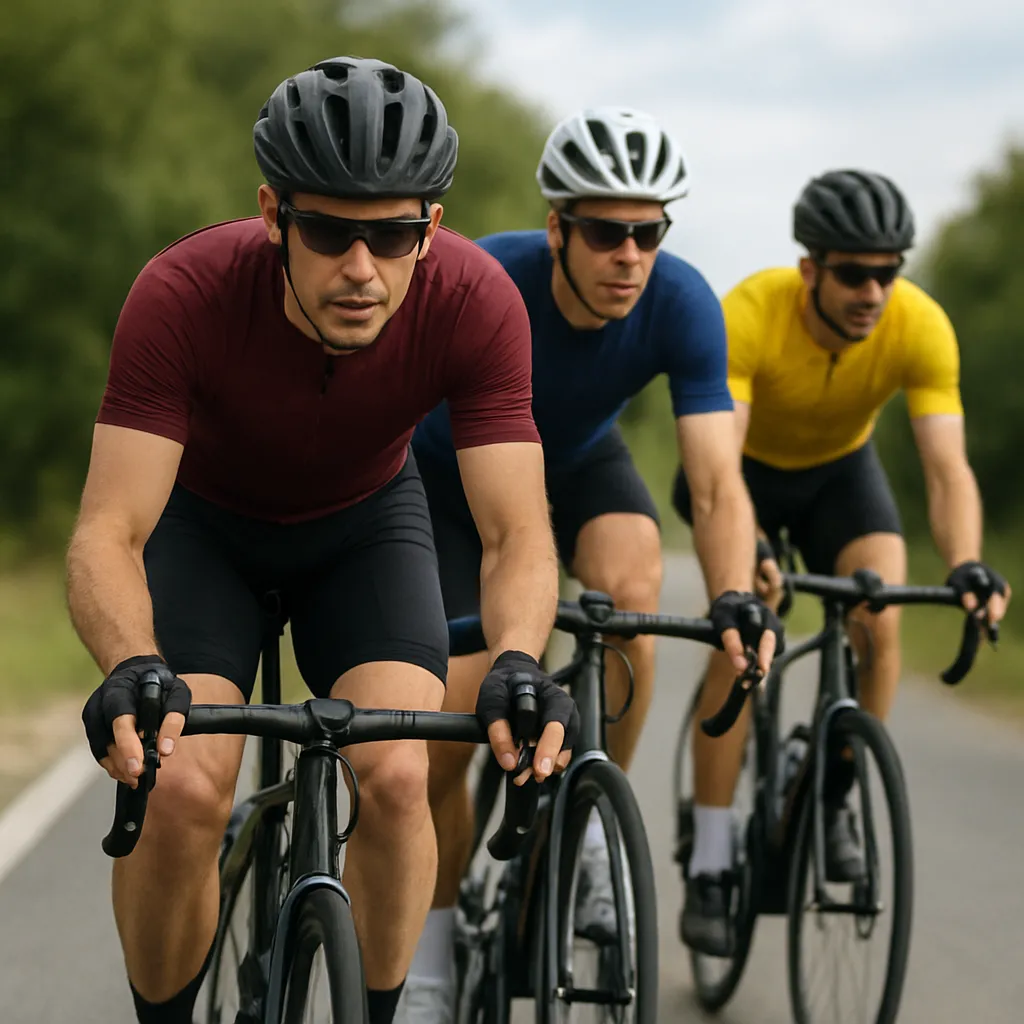
In group events, drafting offers up to 30% energy savings. Astute riders rotate smoothly, maintaining a collective pace while minimizing spikes in effort. Communication and adherence to agreed pacing rotations prevent sudden accelerations that can fracture the group. Practicing consistent pull durations—such as 30 seconds to one minute—trains riders to anticipate and adopt steady efforts within the peloton.