Cycling demands more than just pedal power; **balance** lies at the heart of every smooth turn, efficient climb, and confident descent. Whether you’re a casual weekend rider or an aspiring racer, mastering stability on two wheels elevates your riding experience and reduces the risk of falls. This guide dives deep into the biomechanical, sensory, and technical aspects of balance, offering practical drills and insights to sharpen your equilibrium every time you mount your bike.
Understanding the Mechanics of Equilibrium
The human body constantly adjusts to maintain an upright position. When you ride, this process becomes dynamic, reacting to shifting weight, changing terrain, and the motion of the bicycle itself. By recognizing the key elements that govern stability, you can proactively train and refine your core systems for better control.
Center of Gravity and Bike Geometry
- Center of Gravity: Your body and bike have a combined gravitational point. By lowering your center of mass, you improve lateral stability and reduce wobbles, especially at low speeds.
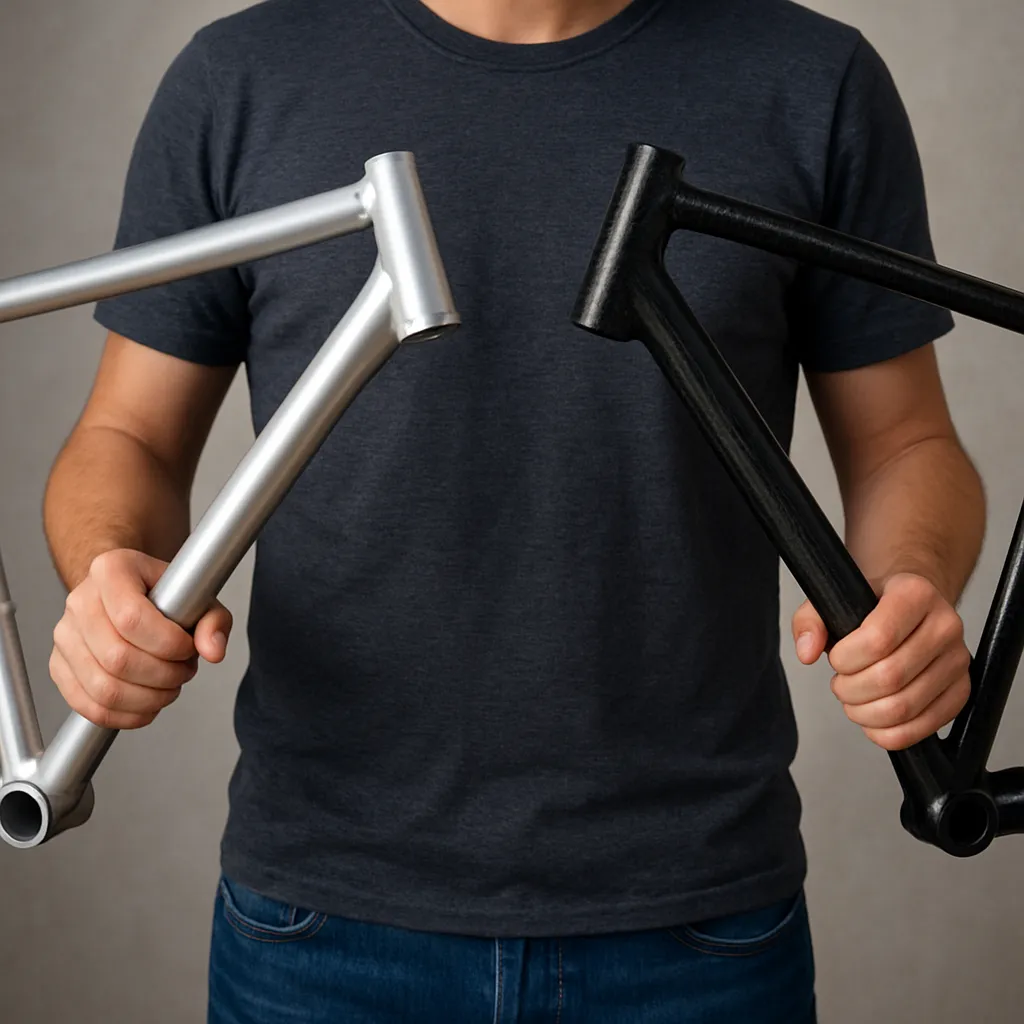
- Frame Design: The length of the wheelbase, head tube angle, and fork rake define how responsive your bike feels. A longer wheelbase offers more straight-line stability, while a slacker head tube angle provides smoother steering in technical terrain.
- Wheel and Tire Choice: Wider tires at lower pressure increase the contact patch, enhancing traction and dampening small bumps. Taller wheels (e.g., 29-inch) roll over obstacles with greater ease, aiding in consistent balance.
Neuromuscular Coordination
Your brain and muscles form a rapid feedback loop to correct lean and yaw. Proprioceptive sensors in the joints and muscles relay position data, while visual and vestibular systems detect orientation changes. Over time, repeated practice enhances the speed and accuracy of these responses. Focused training can strengthen this neuromuscular network, leading to more precise bike handling.
Practical Drills for Building Core Stability
Dedicated exercises off the saddle translate directly to on-bike performance. By isolating specific muscle groups and movement patterns, you’ll develop a robust foundation that supports balance under varied cycling conditions.
Off-Bike Strength and Balance Work
- Plank Variations: Standard, side, and reverse planks engage the anterior and posterior core chains. Aim for 3 sets of 30–60 seconds each.
- Single-Leg Deadlifts: Enhance hip stability and proprioception. Perform 3 sets of 8–10 reps per side, keeping the spine neutral.
- Bosu Ball Exercises: Standing or performing squats on an unstable surface forces continuous micro-adjustments, boosting proprioception and ankle stability.
- Russian Twists: With a medicine ball or weight, rotate the torso to challenge the obliques and rotational control.
On-Bike Balance Progressions
Transitioning these strengths onto the bike requires targeted riding drills:
- No-Hands Riding: On a smooth, traffic-free path, lift your hands for short intervals. Focus on gentle weight shifts and smooth steering through your upper body.
- Slow-Speed Weaving: Ride a straight line at the slowest pace you can manage without putting a foot down. This refines micro-adjustments and low-speed control.
- Pumping Track Sessions: Low jumps and bermed corners simulate rapid weight transfers. Practicing on a pump track teaches you how to use momentum instead of pedaling for speed.
- Track Stand Drills: Even if you don’t ride fixed gear, holding a stationary position on slight incline builds equilibrium and confidence in your foot positioning.
Advanced Techniques for Dynamic Riding
As you progress, tackling varied terrain and speed demands will test your stability in new ways. These advanced methods help you integrate balance into every aspect of cycling, from cornering at speed to maintaining composure on rough surfaces.
Cornering with Confidence
- Line Selection: Choose the smoothest arc through a corner. Look ahead to where you want to go, activating your visual system to guide subtle body shifts.
- Lean and Pressure: Distribute weight between the outside pedal (downstroke) and the hand grips. A firm but flexible grip allows the bike to articulate under your body.
- Body Position: Keep your hips low and center of mass inside the bike’s profile. A slight backward shift helps on loose or wet surfaces.
Technical Descents and Obstacle Navigation
When the trail gets rough, stability hinges on predictive movement and adaptive posture:
- Look Through Obstacles: Focusing on the exit point, rather than the rocks or roots directly ahead, ensures smoother lines and steadier balance.
- Pump Over Bumps: Instead of lifting, use your arms and legs as suspension, pushing down just before an obstacle and lifting as you pass over it.
- Feathering Brakes: Apply light, consistent pressure to modulate speed without jarring weight shifts or wheel locks.
Maintaining Progress and Preventing Plateaus
Consistency and gradual challenges keep your skills rising. Incorporate structured training and recovery to avoid overuse injuries and sustain improvement.
Periodization and Skill Cycling
- Baseload Phase: Emphasize fundamental strength and low-intensity balance drills for 4–6 weeks.
- Build Phase: Introduce more dynamic exercises, such as pump track loops and technical trail sessions, over the next 4 weeks.
- Peak Phase: Focus on high-speed cornering practice, track stands under pressure, and mixed-terrain laps for 2–3 weeks.
- Recovery Weeks: Every 4–6 weeks, dial back intensity to allow muscle tissues and tendons to adapt and heal.
Monitoring and Feedback
Use video analysis or ride buddies to spot imbalance habits. A slight forward lean, stiff arms, or improper foot angle can undermine stability. Regularly review footage and notes to identify areas for adjustment. Embrace gradual overload by increasing session duration, complexity of drills, or speed, ensuring continuous adaptation.
Incorporating Mindfulness and Focus
Balance is as much mental as it is physical. Developing concentration and body awareness can be just as transformative as strength training.
Mind-Body Practices
- Yoga and Pilates: Enhance flexibility, core strength, and breath control, all of which support steady handling.
- Visualization: Mentally rehearsing perfect cornering lines or slow-speed maneuvers primes the nervous system for actual performance.
- Breathing Techniques: Steady, rhythmic breathing reduces tension, allowing subtle weight shifts to occur naturally.
Regular Reflection
Keep a ride journal noting days when balance felt effortless and days when it seemed shaky. Record environmental factors, fatigue levels, and any new equipment or tire pressures. Over time, patterns emerge that guide you toward the most effective training tweaks.
Gear and Setup for Optimal Stability
The right equipment complement amplifies your balance improvements, while poor setup can mask even the most diligent training gains.
Bike Fit Essentials
- Saddle Height and Fore-Aft Position: Improper saddle adjustment forces compensatory movements in the hips and lower back, hampering equilibrium.
- Handlebar Width and Stem Length: Align with shoulder width to avoid overreaching, maintain a relaxed upper body, and ensure precise steering inputs.
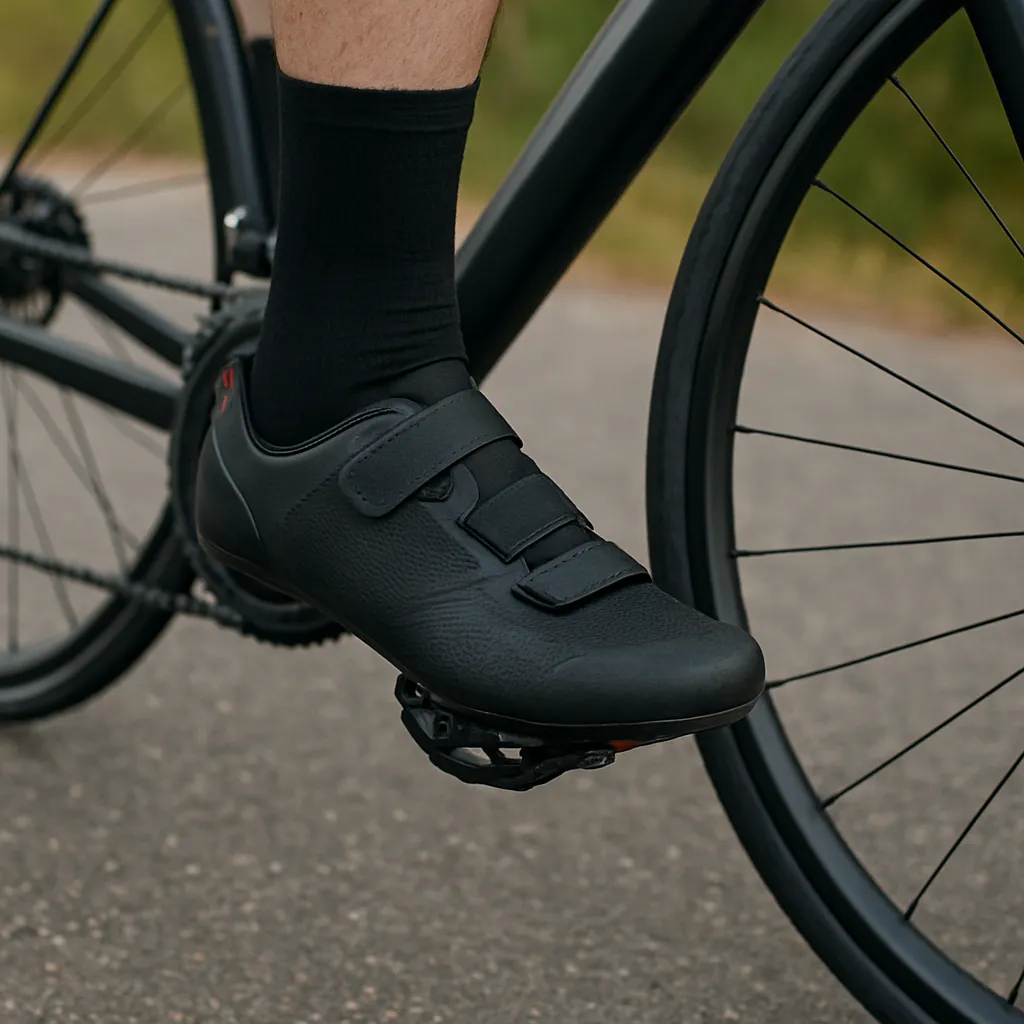
- Pedal Choice: Platform pedals offer more room for weight distribution, while clipless systems lock your feet in a neutral position, reducing unwanted slippage.
Suspension Tuning
On full-suspension bikes, sag and rebound settings influence how the bike reacts to weight shifts:
- Proper Sag (20–30% travel): Prevents harsh bottoming out and keeps the bike poised to absorb successive bumps.
- Rebound Adjustment: Faster rebound can make the bike feel erratic, while too slow rebound causes a “pogo” effect. Find the middle ground that maintains contact without oscillation.
By combining biomechanical understanding, targeted exercises, advanced riding techniques, and a mindful approach, you’ll steadily enhance your ability to remain steady on the saddle. Each ride becomes an opportunity to refine your coordination, unlock new levels of control, and enjoy the full potential of two-wheeled freedom.