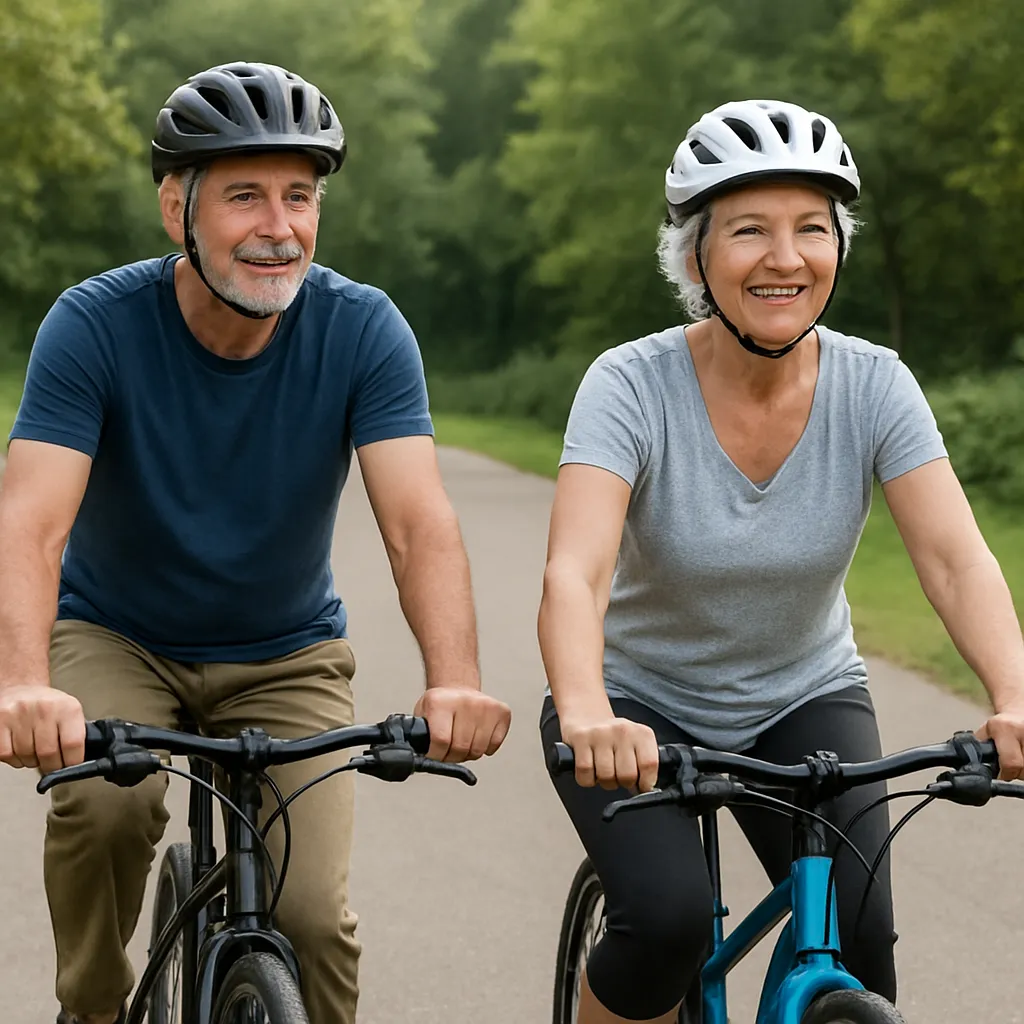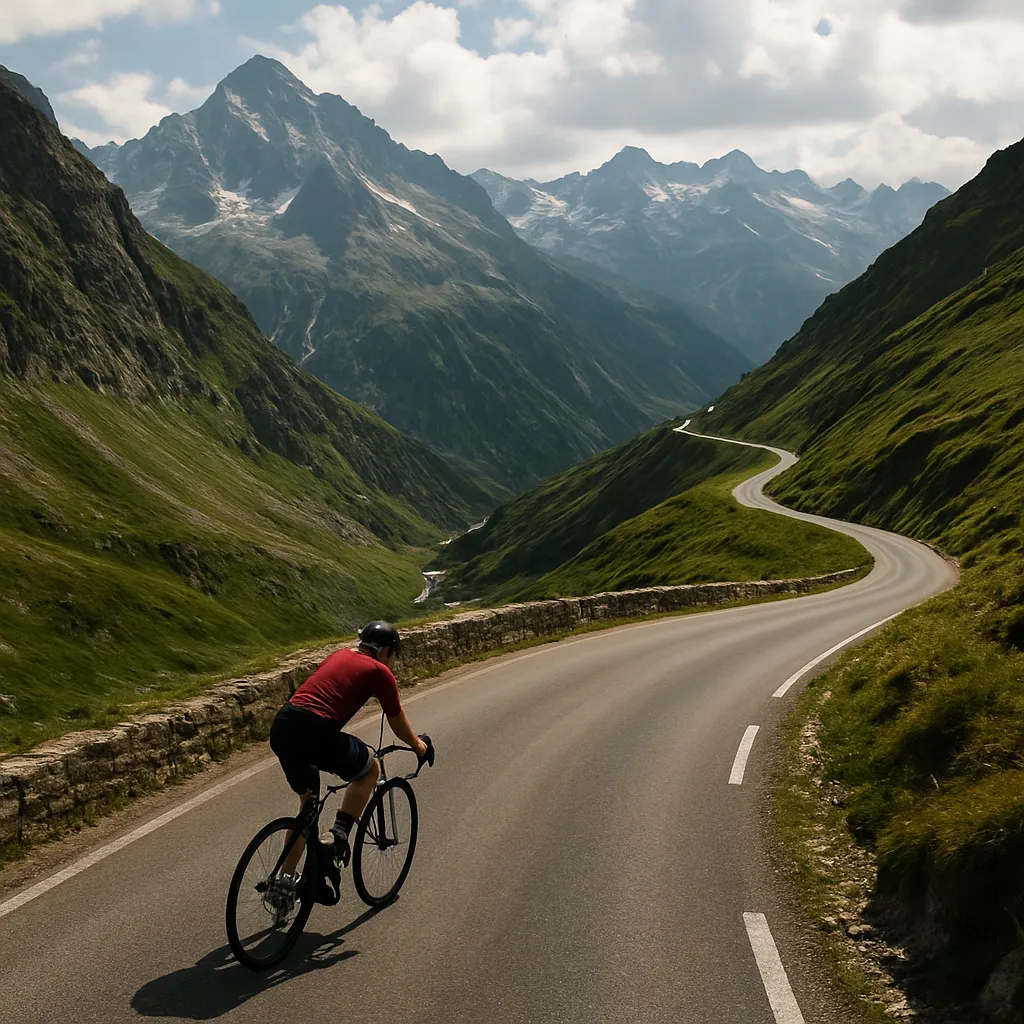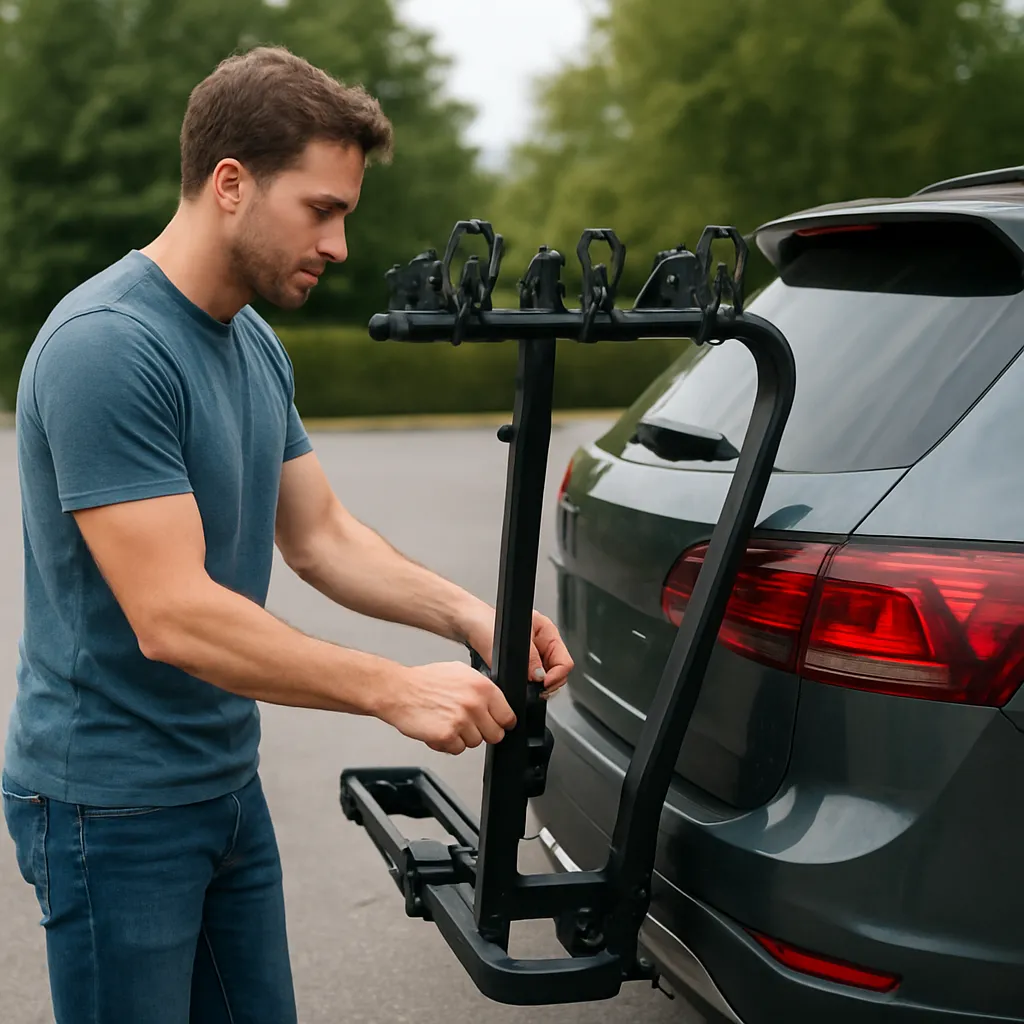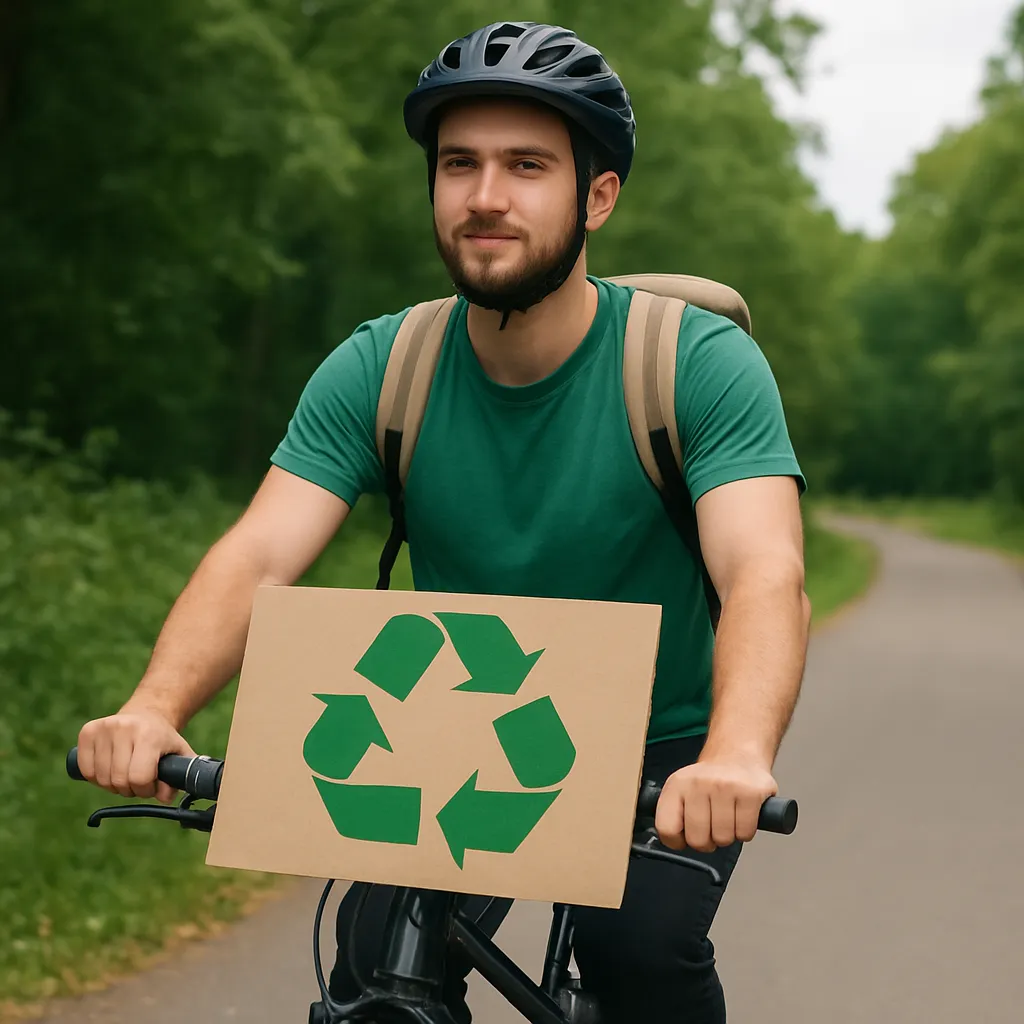
Embarking on a journey through familiar streets on two wheels can transform everyday surroundings into a canvas of discovery. Cycling elevates local tourism by blending physical activity with cultural immersion and sustainable urban mobility.
Benefits of Cycling for Local Tourism
Embracing Active Travel
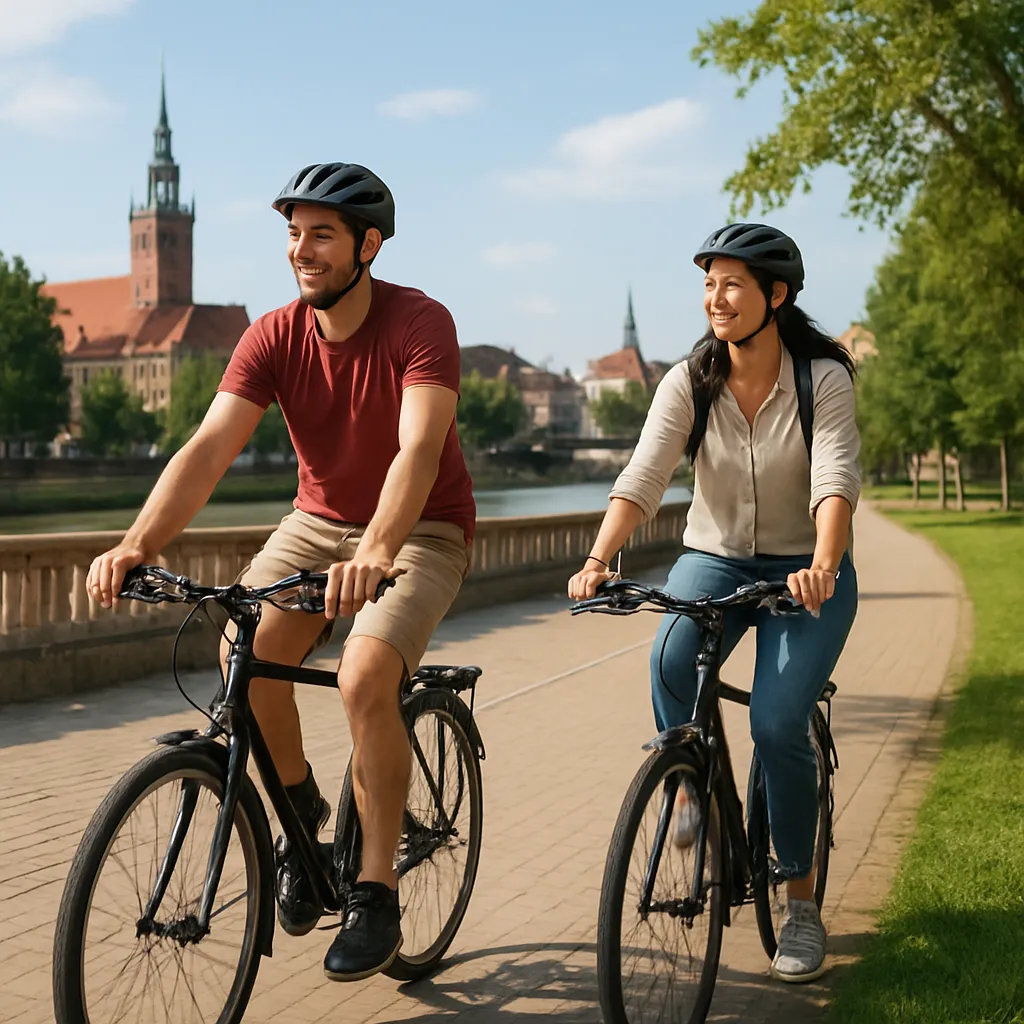
When you swap four wheels for two, the pace of your journey slows enough to notice architectural details, street art, and hidden courtyards that often go unnoticed. Cycling promotes health by engaging multiple muscle groups and improving cardiovascular fitness, all while offering a sense of adventure that motorized transport cannot match. Exploring your own city via bicycle encourages continual exploration and provides a fresh perspective on routine commutes or weekend leisure rides.
Environmental and Economic Wins
Choosing a bike over a car reduces carbon emissions, contributing to a cleaner environment and decreased urban congestion. As more locals and visitors embrace cycling, businesses along popular routes—cafés, markets, galleries—benefit from increased foot and pedal traffic. This ripple effect fosters economic revitalization of neighborhoods and underutilized districts, reaffirming the bicycle’s role as a catalyst for urban renewal.
- Sustainable travel reduces reliance on fossil fuels
- Improved air quality for residents and tourists
- Support for small businesses along cycle-friendly corridors
- Lower infrastructure maintenance costs compared to roadways
Mapping Your Urban Route and Planning
Crafting Your Itinerary
Effective exploration starts with thoughtful planning. Identify points of interest—museums, parks, historic sites—and connect them with safe, scenic paths. Use dedicated cycling apps or local government maps to chart routes with minimal traffic. Keep in mind elevation changes; a well-planned trip balances gentle inclines with flat stretches to maintain energy levels and enjoyment.
Essential Gear and Safety
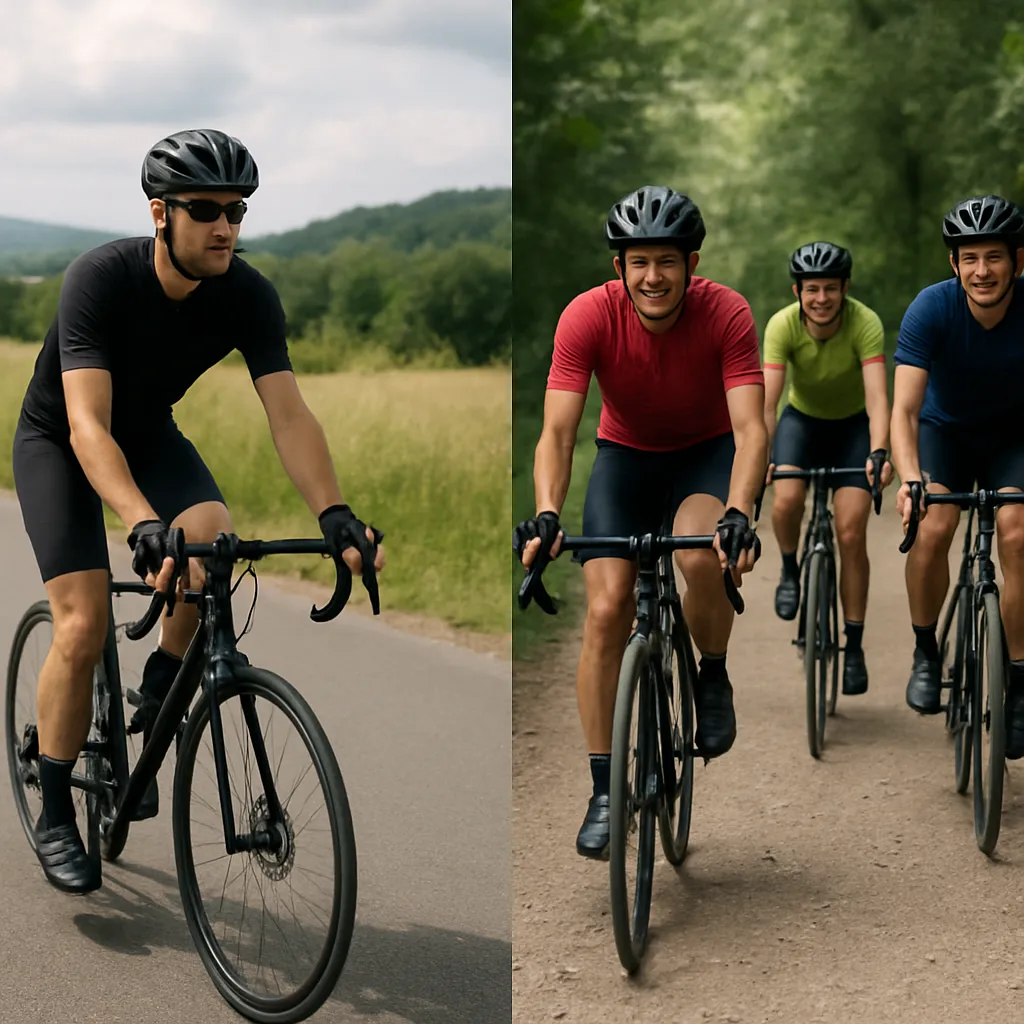
Before setting off, equip yourself with a helmet, reflective clothing, and front and rear lights. A compact repair kit—containing a pump, spare tube, and multi-tool—prepares you for unforeseen flats or mechanical hiccups. Hydration packs or sturdy water bottles will keep you refreshed, while a small backpack can carry snacks, your smartphone, and any souvenirs picked up along the way.
- Helmet with proper fit and certifications
- High-visibility gear for low-light conditions
- Repair kit: pump, patches, tire levers
- Navigation tools: smartphone mount or paper map
- Comfort items: padded gloves, sunscreen, energy bars
Discovering Hidden Gems
Beyond mainstream attractions, every city hosts lesser-known delights—an alley of vibrant murals, a centuries-old fountain tucked behind ivy-covered walls, or a cozy riverside café. Cycling enables spontaneous detours: you may stumble upon a street musician’s impromptu performance or a community garden brimming with local produce. These unplanned encounters create lasting memories and a deeper bond with the urban landscape.
Building a Strong Cycling Community and Infrastructure
Fostering Engagement
A thriving cycling culture relies on active participation and collective advocacy. Joining or organizing group rides can introduce newcomers to safe cycling practices and forge connections among enthusiasts. Community-led initiatives—bike swaps, maintenance workshops, and safety seminars—empower participants with practical skills and reinforce the social value of two-wheeled travel.
Infrastructure that Connects
Municipal investment in protected bike lanes, secure parking, and traffic-calming measures fosters connectivity within neighborhoods. Well-designed cycling networks not only promote daily commuting but also encourage tourists to explore beyond central districts. Adequate signage, wayfinding kiosks, and public bike-share stations contribute to a seamless experience, welcoming even those who arrive without their own bicycles.
- Protected lanes shield cyclists from vehicle traffic
- Bike-share programs increase accessibility for all
- Secure racks and lockers deter theft and vandalism
- Traffic-calming zones enhance safety for pedestrians and riders
Resilience through Adaptation
Cities that prioritize cycling infrastructure exhibit resilience against urban challenges. By diversifying transportation options and reducing dependency on cars, they can better manage congestion, air pollution, and public health crises. Furthermore, fostering a cycling-friendly environment underscores a commitment to a vibrant, inclusive community where everyone—from daily commuters to weekend explorers—feels welcome on the streets.
Whether you’re an avid cyclist or a casual rider, the fusion of physical activity, cultural discovery, and social engagement makes local tourism by bike a truly enriching experience. As you traverse familiar avenues or meander along hidden backstreets, remember that the city’s story unfolds one pedal stroke at a time, inviting you to write your own chapter of exploration and connection.