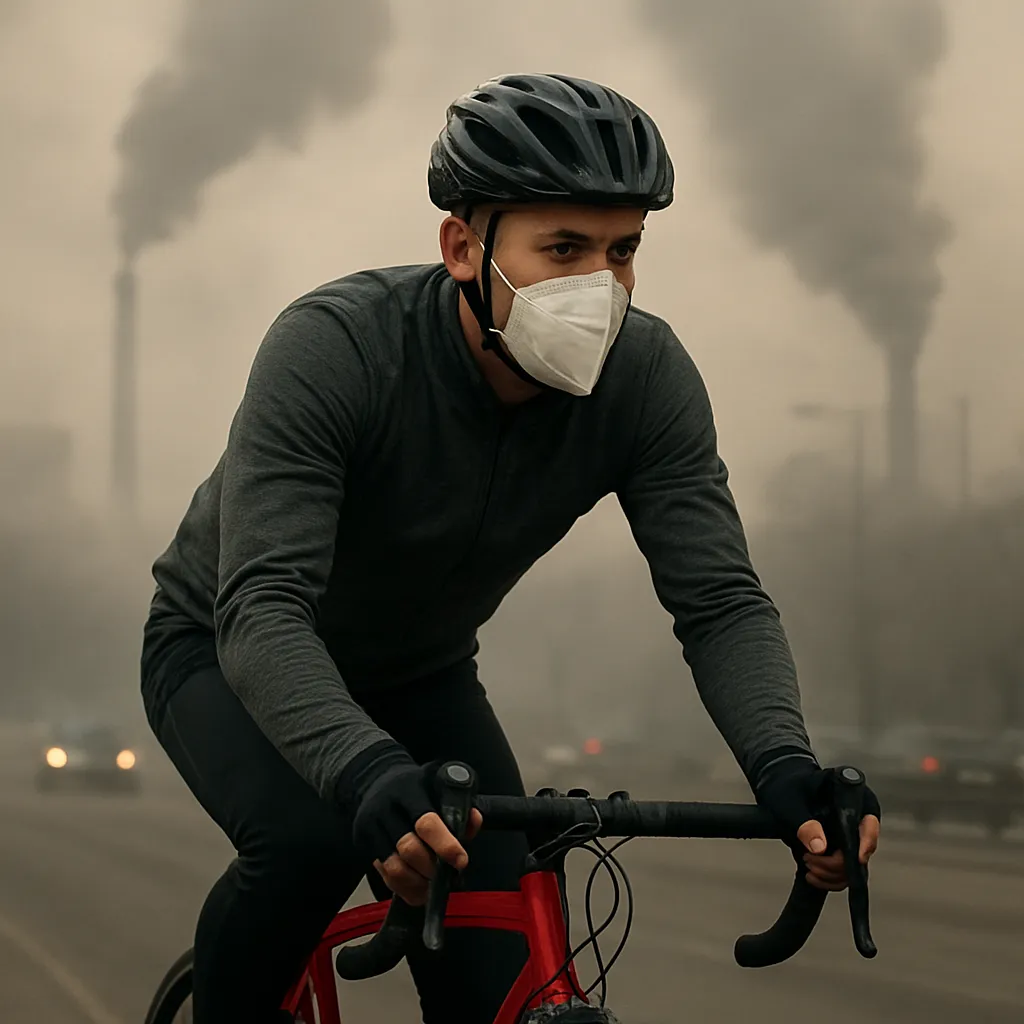
Cycling offers a unique blend of freedom, exercise, and eco-friendly travel, but encountering urban pollution can challenge even the most dedicated riders. Exposure to exhaust fumes and airborne particles may impact respiratory health, cognitive performance, and overall well-being. This article explores key insights and practical measures to maintain clean air while enjoying two wheels beneath you.
Understanding Pollution and Cycling
Sources of Urban Air Contaminants
Modern cities teem with various pollutants, ranging from nitrogen dioxide (NO₂) to fine particulate matter (PM2.5 and PM10). Vehicles remain the primary culprits: diesel buses, trucks, and cars emit vehicle emissions that linger at street level. Industrial zones and power plants also contribute to airborne toxins, while construction sites release dust and debris. Knowing where pollution originates helps cyclists make informed choices about timing and route selection.
Health Implications for Riders
Inhalation of ultrafine particles can penetrate deep into lung tissue, aggravating asthma, bronchitis, and cardiovascular conditions. Long-term exposure has been linked to decreased lung capacity and elevated risk of chronic diseases. For regular cyclists, balancing the benefits of active commuting with potential hazards becomes critical. Research shows that even though cyclists inhale more air per mile than car drivers, the net health gain from exercise often outweighs pollution risks—provided mitigation strategies are in place.
Microclimates and Pollution Hotspots
Air quality fluctuates within city blocks: narrow streets lined by tall buildings form “street canyons” where pollutants concentrate. Conversely, open parks often exhibit lower particle counts due to natural dispersion and vegetation filtering. Identifying these microclimates can steer riders toward fresher air, especially during extended commutes.
Strategies to Reduce Exposure
Timing Your Rides
Avoiding rush hours drastically cuts inhalation of peak pollutant levels. Early mornings or late evenings often showcase reduced traffic density, although trade-offs may include lower visibility or cooler temperatures. Check local air quality indices via mobile apps or government websites: planning around high ozone or smog alerts can safeguard your lungs.
Route Planning for Cleaner Air
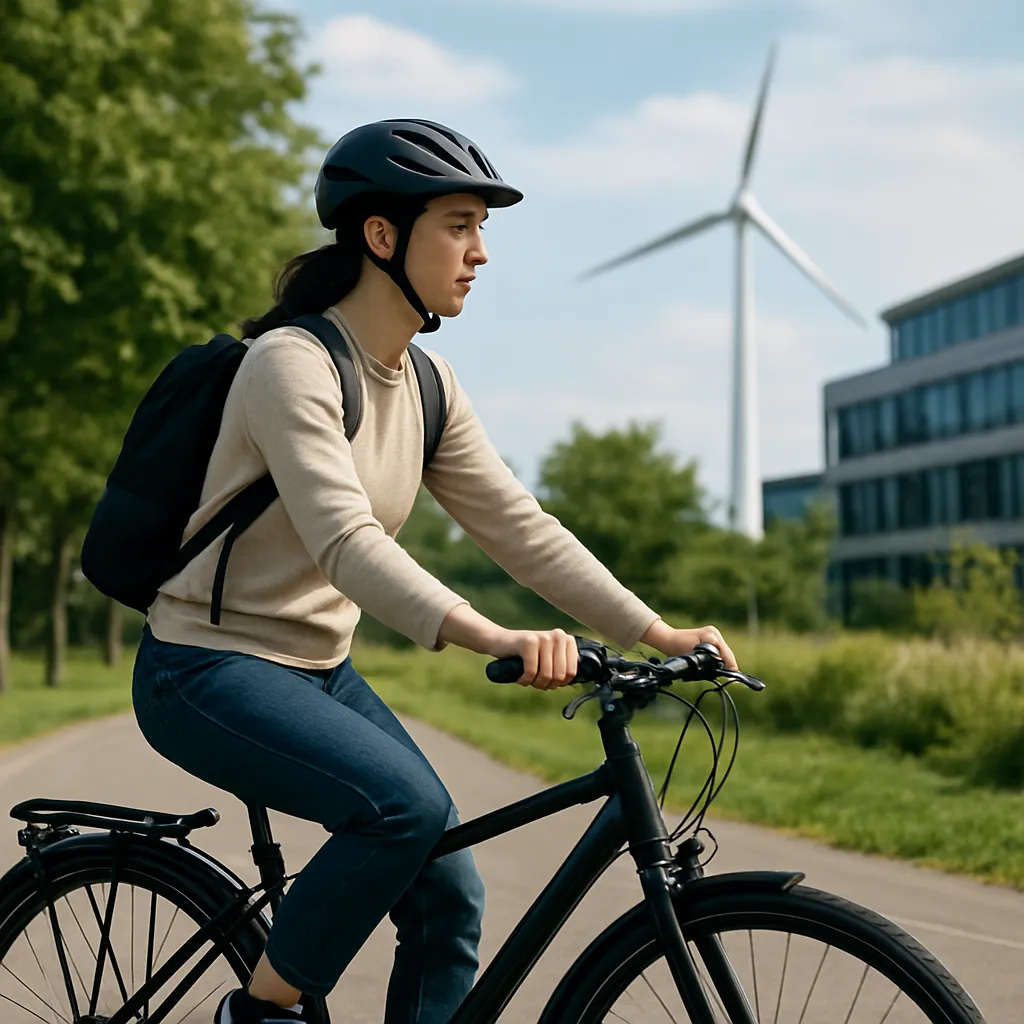
Opt for green belts, waterfront paths, or dedicated cycling lanes away from main roads. Even a small detour can cut pollution exposure by 30–50%. Employ mapping tools that factor in air quality or look for community-maintained routes favoring parks and pedestrian zones. When possible, choose roads with lower speed limits and less heavy traffic to encounter fewer exhaust fumes.
- Use off-peak side streets instead of highways
- Follow bike boulevards traversing residential areas
- Pursue scenic riverfront trails or canal paths
Understanding Wind and Topography
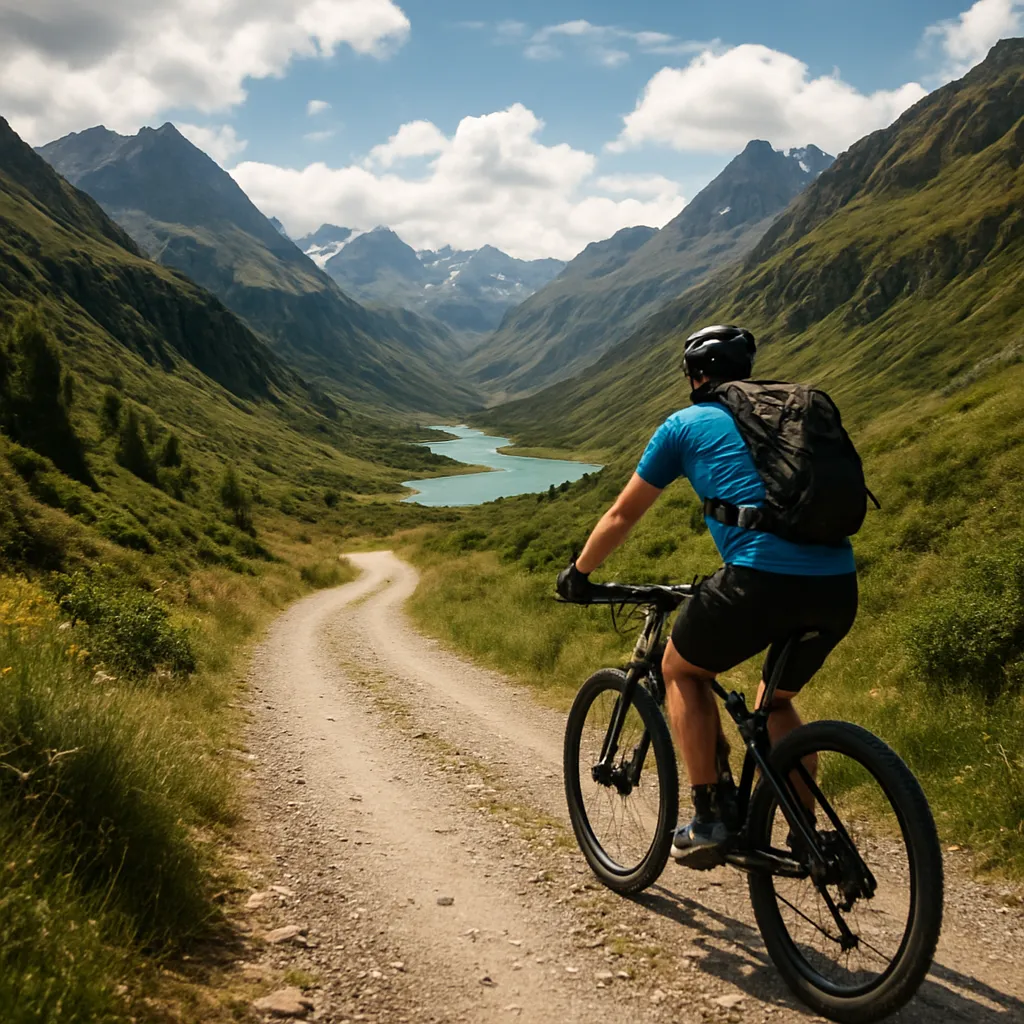
Wind direction and landscape shapes influence pollutant dispersion. Tailwinds behind you can push exhaust away; headwinds may bring contaminants directly into your breathing zone. Hills and valleys also create airflow patterns—testing different segments of your regular route can reveal spots of consistently better air quality.
Equipment and Protective Gear
Anti-Pollution Masks and Respirators
High-quality masks fitted with filtration systems, such as N95 or reusable respirators with P100 filters, trap fine particles and diesel soot. While no mask provides 100% protection, a snug, adjustable fit reduces unfiltered gaps. Consider masks with exhalation valves to ease breathing during intense rides.
Ventilation and Bike Accessories
Maintaining proper airflow within a helmet prevents the buildup of warm, stale air and discourages sweat-related discomfort. Look for helmets with multiple vents and channels. Some innovative products integrate small fans or moisture-wicking liners that boost ventilation and ride comfort on polluted days.
Maintenance for Clean Operation
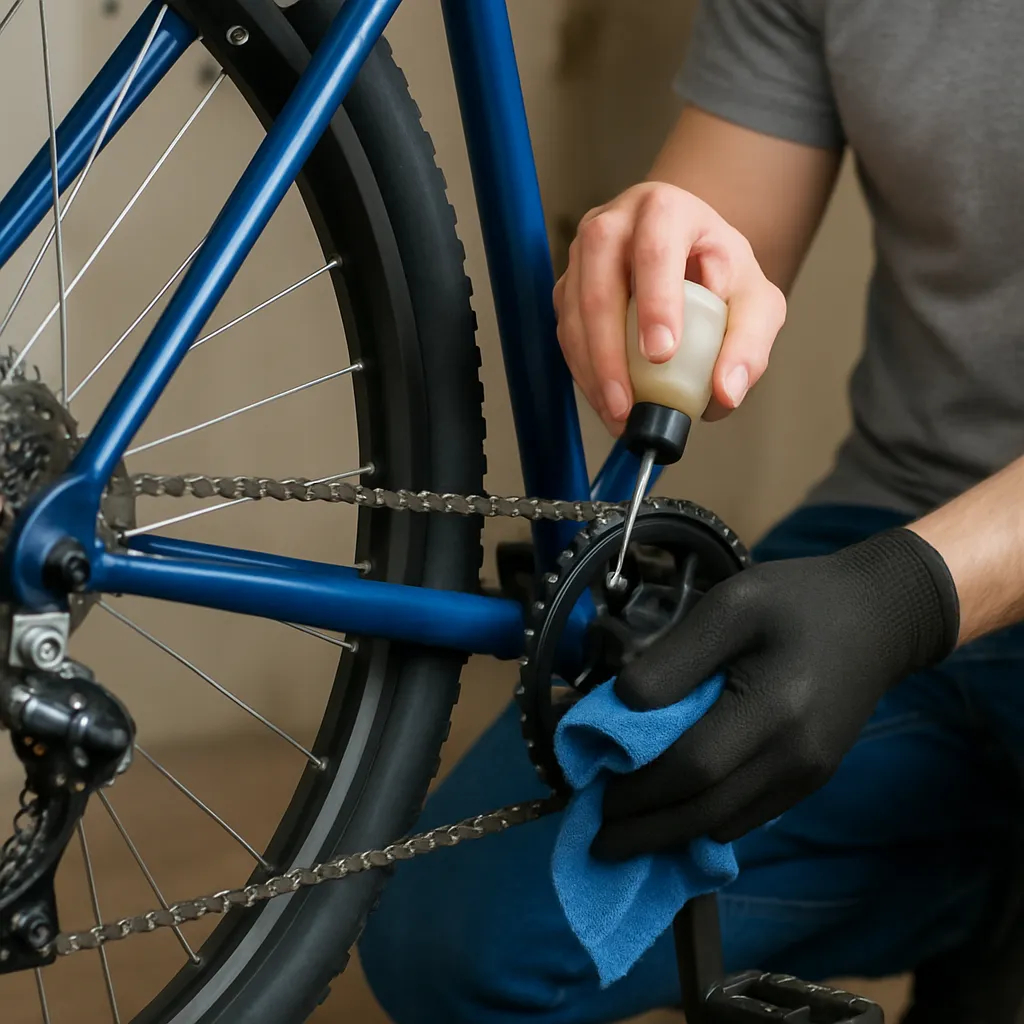
A well-maintained bicycle emits no pollutants, but lubrication and drive-train care can indirectly influence your ride’s safety and efficiency. Regularly clean chains, gears, and brake systems to prevent buildup of road grime, which may contain hazardous particulates.
Urban Planning and Community Initiatives
The Role of Green Corridors
Planting trees along main cycling routes not only beautifies the environment but also absorbs CO₂ and filters airborne toxins. Municipal projects focusing on green corridors help create healthier networks of bike paths, connecting residential areas to workplaces with minimal exposure to traffic pollution.
Smart Cities and Pollution Monitoring
Deploying smart sensors across urban neighborhoods allows real-time tracking of air quality. Data-driven route suggestions empower cyclists to choose the cleanest path. Integration with navigation apps can reroute riders dynamically if a pollution spike is detected ahead.
Promoting Active Commuting
Advocacy groups often lobby for expanded bike infrastructure and lower speed limits in dense areas. Encouraging more residents to cycle reduces overall traffic volumes, creating a virtuous cycle: fewer cars mean cleaner air, making cycling safer and more appealing. Support policies that prioritize urban planning for pedestrian and cyclist well-being.
Behavioral Tips and Best Practices
Pacing and Effort Management
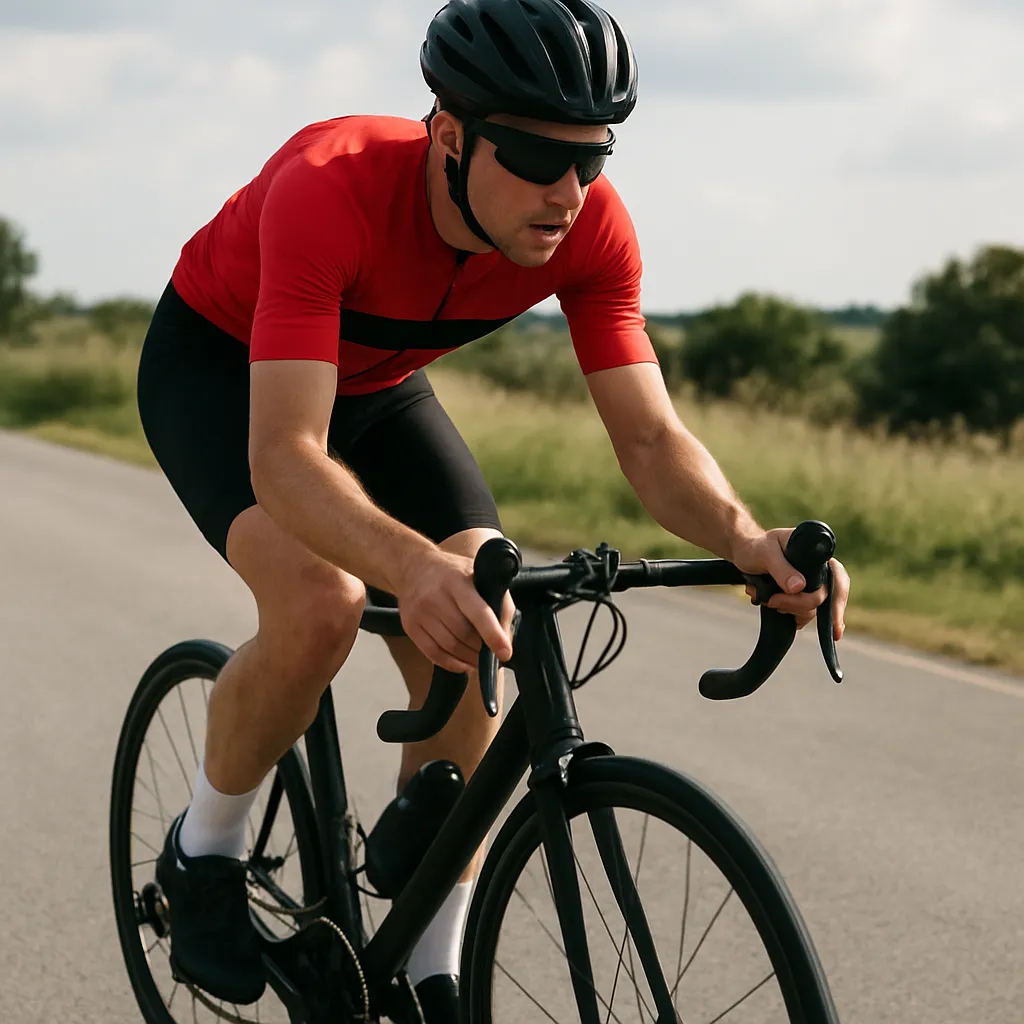
Maintaining a steady, moderate pace rather than sprinting reduces the volume of polluted air you inhale. High-intensity efforts increase respiratory rate and particle uptake. Plan intervals of lighter pedaling when passing traffic-heavy zones to limit deep inhalations of exhaust.
Clothing Choices
Wear light, moisture-wicking fabrics that dry quickly and prevent bacterial growth. While sweat can trap some particles, consistent washing of jerseys and shorts removes residues and keeps gear hygienic. Bright colors and reflective elements also enhance visibility and safety in mixed-traffic environments.
Hydration and Nutrition
Drinking sufficient water keeps mucosal linings in the respiratory tract hydrated, aiding in the natural filtering of pollutants. Antioxidant-rich snacks like berries or nuts combat oxidative stress caused by airborne toxins. Fuel your body with clean, nutrient-dense foods to support respiratory health during extended rides.
Advanced Tools and Innovative Solutions
On-Bike Air Monitors
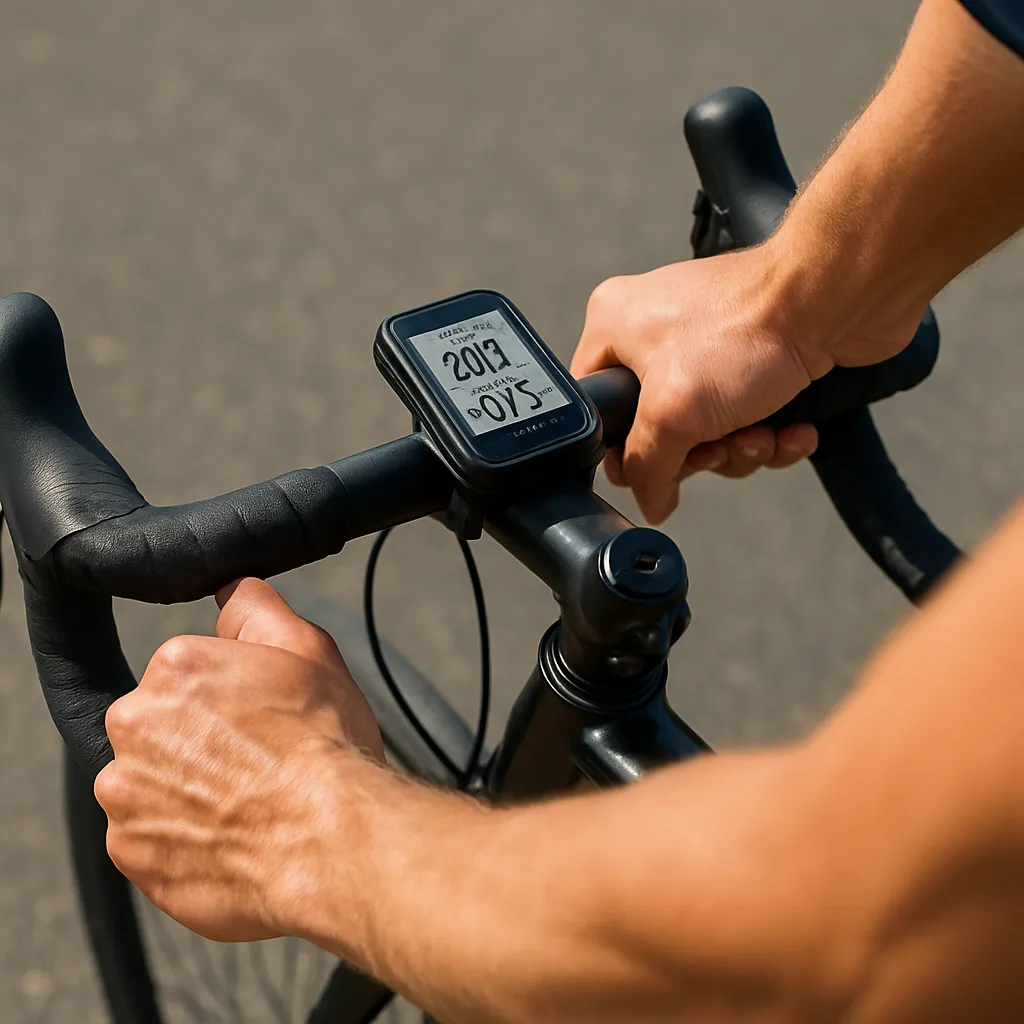
Portable devices attach to handlebars or backpacks, measuring real-time levels of NO₂, CO, and particulate matter. Riders can review historical data to identify persistent hotspots and share findings with local authorities to spur environmental improvements.
Electric Assist and Hybrid Models
While purely human-powered bikes remain ideal for zero pollution, e-bikes offer a balance between effort and speed. Reduced exertion translates to lower breathing rates, and faster average speeds shorten overall exposure time in traffic zones.
Community-Led Mapping Projects
Open-source initiatives invite cyclists to contribute air quality readings and safe-route tips. Crowdsourced platforms often integrate with fitness apps, enabling peers to design meet-ups along clean-air corridors and raise collective awareness about pollution hotspots.
The Path Ahead for Cleaner Cycling
Collaborative Efforts for Healthier Streets
Cyclists, urban planners, and policymakers must unite to expand low-emission zones, install more green infrastructure, and promote transparent air quality reporting. By prioritizing environments where two-wheeled transport thrives, cities can reduce overall carbon footprints and foster healthier communities.
Empowering Every Rider
Awareness of pollution risks empowers individuals to make small but impactful adjustments—choosing alternative routes, upgrading gear, or advocating for local improvements. As cycling continues to surge in popularity, concerted efforts to shield riders from airborne hazards will ensure that pedaling remains both enjoyable and safe.