Optimizing your bicycle setup and riding style for speed often hinges on reducing air resistance. When you tackle a long time trial or push through a headwind on a group ride, minimizing drag can translate into significant gains on your average speed. Attention to equipment, body position, and tactical decisions all contribute to shaving off precious seconds per mile. This guide dives into key strategies to refine your ride and leave competitors behind.
Understanding Aerodynamic Principles
At the core of every effort to ride faster is knowledge of aerodynamics. When you cycle, about 70–90% of your energy output at higher speeds fights air resistance. The two main factors are the frontal area you present to the wind and the coefficient of drag, or CdA. Physically, CdA represents how slippery you and your bike are as one system moving through the air.
Coefficient of Drag and Frontal Area
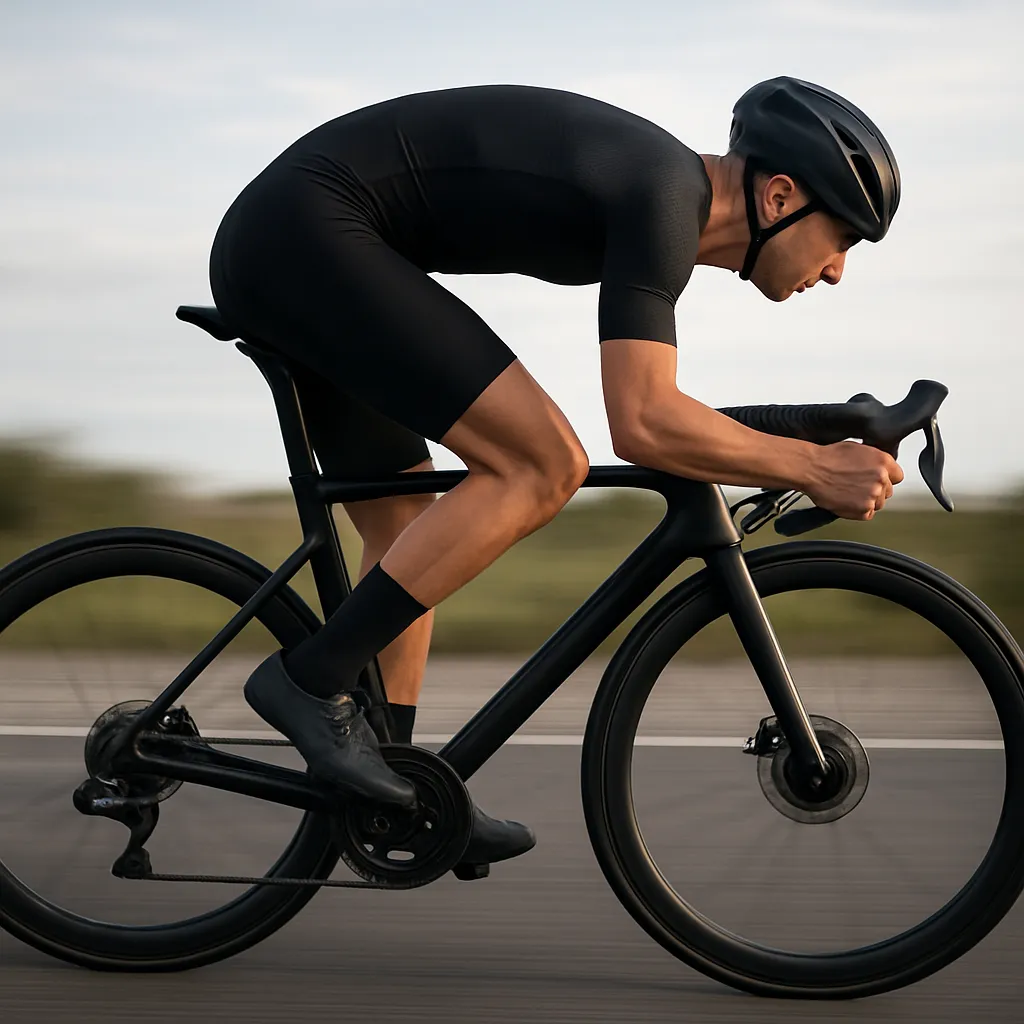
Reducing your CdA by merely 5% can yield a 2–3% increase in speed at the same power output. Working on your frontal profile—tucking elbows, lowering your torso, and aligning your helmet—can make a noticeable difference. A small change in body angle may alter the airflow enough to transform turbulent vortices into smooth laminar flow, cutting down on energy-sapping eddies.
Surface Roughness Matters
Every seam, jersey wrinkle, and untrimmed hair can trigger additional turbulence. Maintaining a smooth outline through fitted clothing and well-groomed equipment surfaces helps the wind glide by instead of grabbing and tossing you around.
Optimizing Bicycle Components
Upgrading to aerodynamic components is one of the most direct ways to reduce resistance. While high-end parts come with a premium price tag, each offers measurable improvements when selected carefully.
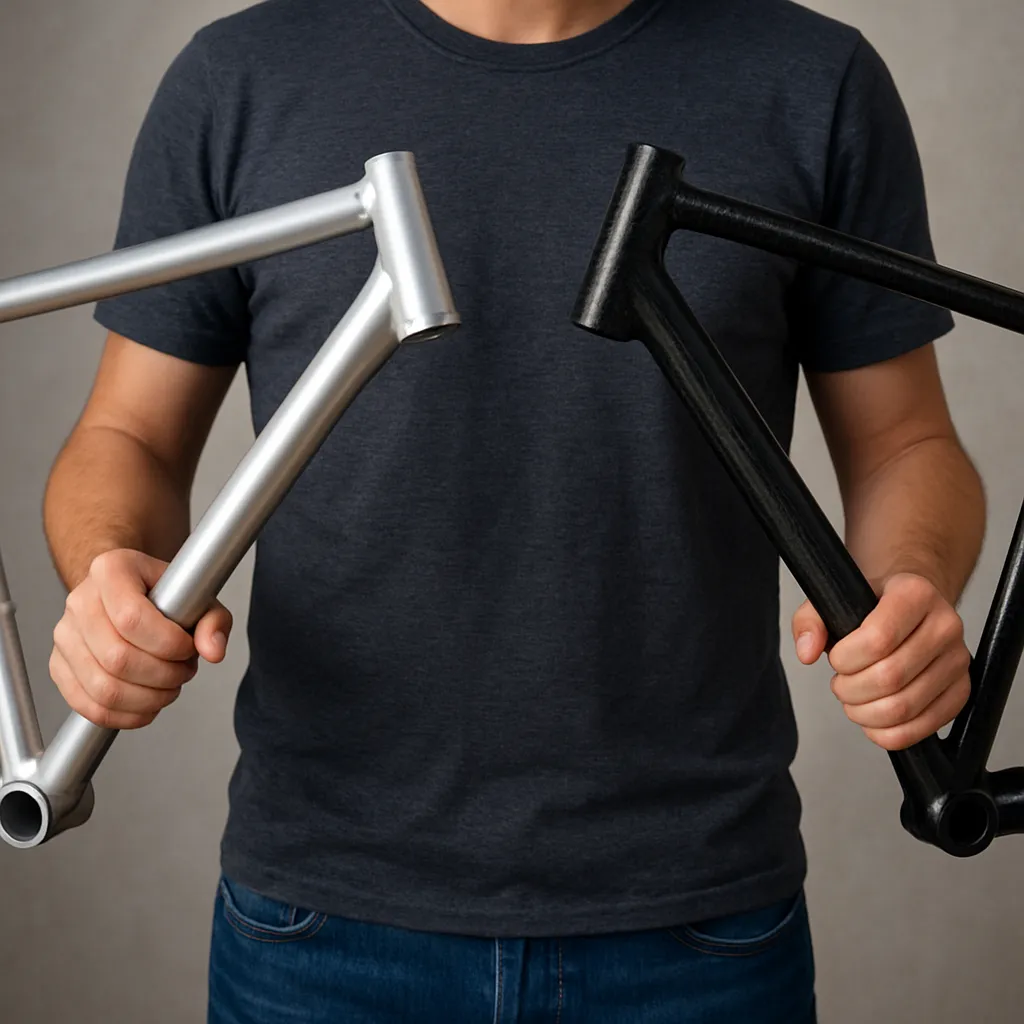
Aero Frames and Forks
- Modern time-trial and triathlon frames feature truncated airfoil shapes to funnel air efficiently.
- Internal cable routing prevents exposed housings from creating extra drag.
Wheelset Selection
- Deep-section wheels reduce wake, especially in crosswinds.
- Disc wheels deliver unmatched performance in straight-line efforts.
Choosing the right wheelset depends on your course profile: deep rims excel on flat courses, while lighter shallow rims help on hilly terrain.
Aero Bars and Positioning
Installing aero bars allows you to tuck in for sustained effort, lowering your CdA dramatically. Ensure you practice mounting and dismounting safely, as a forward-leaning posture shifts your center of gravity.
Clothing and Helmet Choices
- Skin suit fabrics often feature dimpled textures that promote laminar flow.
- Specialized helmet shapes guide air off your back and reduce the low-pressure wake behind your head.
Refining Riding Techniques
Tactics on the road are as vital as gear. Even the most aerodynamic setup yields limited benefits if you ride inefficiently.
Optimal Body Position
Find a balance between comfort and speed. Overly aggressive setups can compromise power output over long distances. Use a bike fit specialist or analyze video footage to hone a posture that sustains power while minimizing drag.
Drafting and Pacelines
Drafting behind teammates or within a peloton can cut wind resistance by up to 40%. In pacelines, riders rotate through the lead position to share the workload. Perfecting smooth transitions ensures constant velocity and prevents surges that cost energy.
Cornering and Descending
Every corner exit is a chance to regain speed. Keep your body as low as possible and straighten the bike before pedaling hard. On descents, adopt a tucked position with forearms resting on the bars and head low, so you slice through gusts with minimal frontal impact.
Testing, Training, and Maintenance
Ensuring consistent performance requires systematic validation and upkeep. Measuring gains and losses helps you make data-driven choices.
Wind Tunnel and Field Testing
Professional cyclists often spend hours in a wind tunnel to profile different positions and equipment setups. For most enthusiasts, a well-instrumented training ride—using a power meter and GPS—provides actionable insights into speed versus power at various configurations.
Power-to-Drag Ratio
- Analyze power output per watt to determine if shifting to a more upright but stronger position might beat an ultra-low aerodynamic posture you can’t sustain.
- Use software that overlays power, speed, and wind data to calculate your effective CdA on real-world rides.
Regular Maintenance
Poorly tuned drivetrains and misaligned wheels can increase friction and disturb airflow. Keep your chain clean and lubricated, your tires inflated to the optimal pressure, and your headset bearings smooth. Proper lubrication and mechanical checks ensure nothing works against your aerodynamic gains.
Structured Training
Complement equipment upgrades with interval workouts that push your threshold power. Holding a high percentage of your Functional Threshold Power (FTP) in an aerodynamic position conditions both muscles and breathing patterns for reduced form breakdown during efforts.