Riding a bicycle is more than just a mode of transport; it’s a lifestyle that brings joy, fitness, and freedom. However, pushing too hard on the pedals without adequate rest can lead to a state of physical and mental exhaustion known as burnout. Recognizing and overcoming this condition is essential to maintain both your love for cycling and your performance on the road or the trail. Below are several comprehensive strategies to help you recover from overtraining and rediscover the thrill of the ride.
Recognizing the Signs and Causes of Burnout
Before you can tackle burnout, it’s vital to understand how it manifests in the context of cycling. Many riders mistake persistent fatigue for simple tiredness, continuing to log miles and ignoring warning flags.
Physical Indicators
- Chronic muscle soreness or joint pain despite regular rest.
- Stalled progress or decreased power output during rides.
- Frequent minor injuries or niggling aches that refuse to heal.
- Elevated resting heart rate and disturbed sleep patterns.
Mental and Emotional Symptoms
- Lack of enthusiasm for bike rides you once loved.
- Increased irritability, anxiety, or mood swings off the bike.
- Difficulty concentrating on ride goals or route planning.
- Feeling overwhelmed by training schedules or upcoming events.
Often, these symptoms are fueled by an imbalance in your training load and recovery protocols. Understanding personal thresholds and listening to your body are key to avoiding a downward spiral into full-blown burnout.
Adjusting Your Training Plan
Smart periodization—the organized manipulation of training variables—is your primary defense against overtraining. By alternating phases of intense work with recovery, you allow physiological adaptations to solidify and prevent chronic fatigue.
Incorporate Structured Rest Days
- Designate at least one full rest day per week with no riding or vigorous activity.
- Use active recovery (light spins, yoga, or walking) to promote blood flow without strain.
- Rotate high-intensity intervals with endurance-focused rides to balance stress.
Scale Back Intensity and Volume
- Reduce weekly mileage by 20–30% for a recovery microcycle every 4–6 weeks.
- Swap a couple of hard training sessions for moderate-paced group rides.
- Monitor Rate of Perceived Exertion (RPE) to avoid training by numbers alone.
By deliberately dialing down your load, you give muscles, tendons, and your central nervous system breathing room to rebuild stronger than before.
Optimizing Recovery Techniques
While rest days are foundational, targeted recovery tactics can accelerate your journey back to peak condition. These methods address both physical repair and the mental rejuvenation needed to stay motivated.
Sleep and Nutrition
- Prioritize 7–9 hours of quality sleep each night to aid muscle repair.
- Fuel rides with a blend of nutrition-dense foods: complex carbs, lean proteins, and healthy fats.
- Hydrate consistently; electrolytes and water support cellular functions vital for recovery.
- Consider post-ride protein shakes or recovery drinks within 30 minutes of finishing a workout.
Therapeutic Modalities
- Foam rolling and self-myofascial release to relieve muscle tightness.
- Contrast baths or hot-cold showers to stimulate circulation.
- Professional massages or physiotherapy sessions for targeted release.
- Light stretching and mobility drills, focusing on hips, hamstrings, and lower back.
Integrating these recovery strategies into your routine can diminish soreness, restore flexibility, and reduce the risk of lingering pain.
Cultivating a Strong Mental Game
Burnout isn’t solely physical; it often stems from mental fatigue. Cultivating resilience equips you to handle setbacks and maintain a sustainable passion for cycling.
Refine Your Goals and Expectations
- Set realistic milestones for both training intensity and rest periods.
- Break long-term goals into achievable short-term objectives.
- Celebrate small wins, like improved cadence or a pain-free ride.
Mindfulness and Stress Management
- Practice mindfulness or meditation to stay present and focused before and after rides.
- Use breathing exercises to calm pre-ride nerves or post-ride fatigue.
- Keep a training journal to track mood, energy levels, and progress.
Adopting mental tools boosts motivation and helps you navigate periods of low drive without abandoning your training plan entirely.
Integrating Cross-Training and Alternative Activities
Engaging in non-cycling activities can restore enthusiasm while enhancing overall fitness. Cross-training reduces repetitive impact on cycling-specific muscles and joints.
- Swimming or aqua jogging for low-impact cardiovascular work.
- Light strength training focusing on core, upper body, and stabilizer muscles.
- Yoga or Pilates for flexibility, balance, and mind-body connection.
- Hiking or trail running to challenge different muscle groups and terrains.
By diversifying your routine with complementary exercises, you preserve cycling fitness without adding undue stress to fatigued areas.
Bike Fit and Equipment Considerations
An improper bike fit can exacerbate physical fatigue and contribute to burnout. Small adjustments in your setup may alleviate strain and enhance comfort over long distances.
Key Adjustment Areas
- Saddle height and fore-aft position to prevent hip and knee strain.
- Handlebar reach and drop to reduce lower back and shoulder tension.
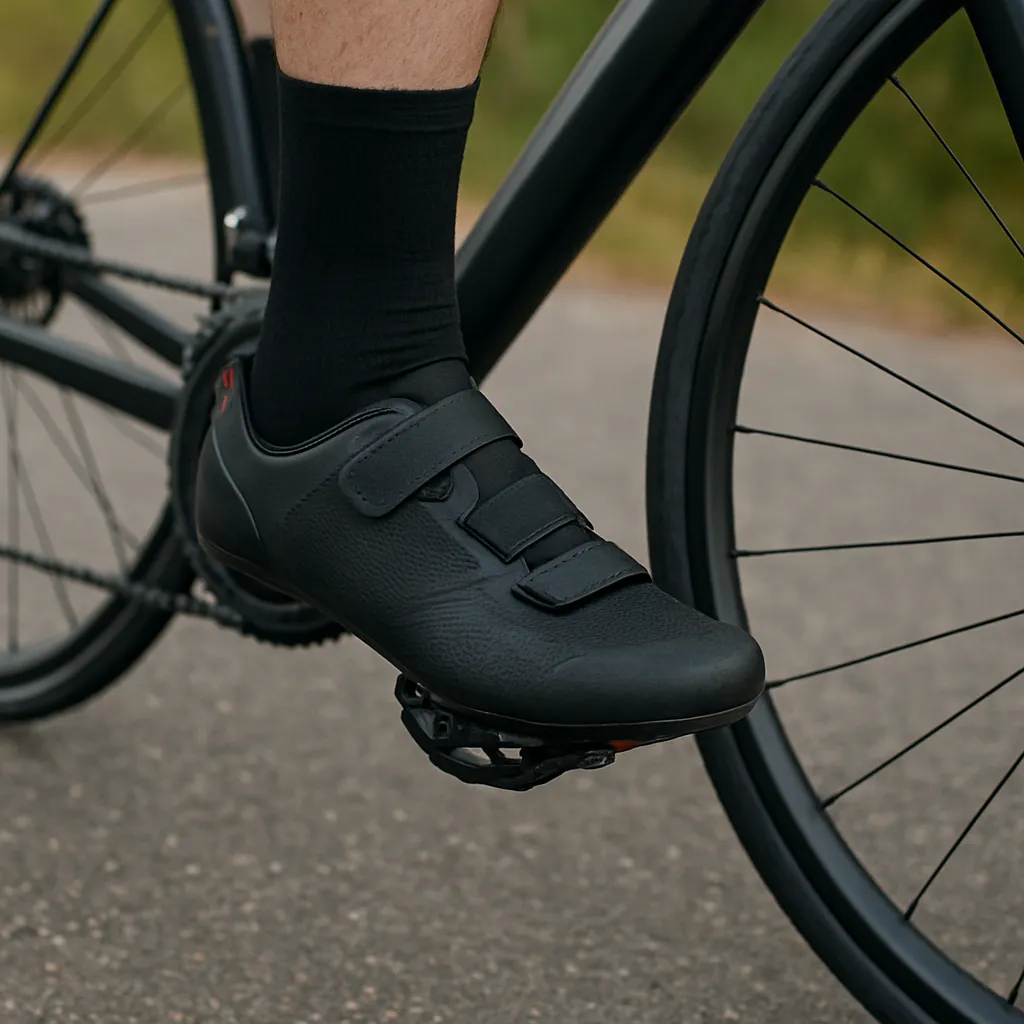
- Cleat alignment to maintain optimal pedal stroke and prevent knee pain.
Equipment Upgrades
- Consider ergonomic handlebars or padded gloves to lessen hand numbness.
- Explore lighter or more compliant wheels to absorb road vibrations.
- Evaluate suspension seatposts or elastomer inserts for added comfort.
Investing in proper fit and supportive gear contributes to a smoother, less taxing ride, preventing repetitive fatigue that leads to overtraining.
Building a Sustainable Cycling Culture
Ultimately, overcoming burnout involves fostering habits and environments that value balance and long-term well-being over short-lived gains. Surround yourself with fellow riders, coaches, or online communities that emphasize smart training, open dialogue about fatigue, and mutual support. By embedding these principles into your cycling routine, you’ll not only recover from current burnout but also safeguard against future overtraining traps. Keep the ride enjoyable, maintain your curiosity, and allow your body the time it needs to flourish—both physically and mentally.